May–June 1998
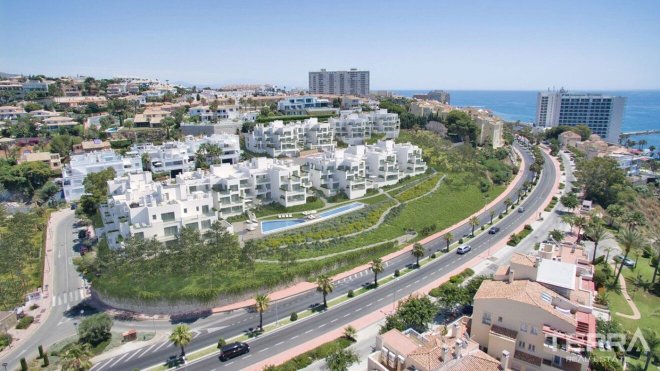
I sat on the veranda in Torrequebrada, guzzled mineral water, stared at the sea, screwed Liza after dinner, slept. We went to the beach once; neither of us liked it: deserted and stale. On the third day I got carried away playing golf with Yurik, who had arrived with a report: all is well, the holding is chugging along, relax.
I swung the driver, sent balls flying past every hole on earth and remembered the generals’ hunting and fishing trips out in the wilds. Ah, if only we had thought to knock balls about on trimmed lawns while discussing matters not meant for wiretaps... Eh! We would have felt fine. We ought to set up a golf club in Khryakino for conducting secret conversations! The flights to Altai and Kamchatka had ground to a halt...
A week later Liza and I set off for Miami, to the dream mansion squeezed out of Dimas. A pointless mansion. I realized that on the second day, comparing it to living in Malibu.
The layout of the California bungalow now seemed incomparable: from any part of the house you could reach any other part in ten steps. The ocean view opened from exactly one spot: an armchair in the shade under a palm tree, a small table, a step to the bedroom, three steps to the study, seven steps to the kitchen with the fridge. A rock garden out front, a pool off to the side. The house fit into the surrounding landscape like it belonged there, and not a single corner of it was inconvenient. What more could a man need for happiness?
Alas. What we have, we don’t value; once it’s lost, we weep. In Florida I got a three-story building on the waterfront, counting the half-basement – the pinnacle of dreams, the height of what luxury housing was supposed to look like. The designer bungalow was a thing of the past now. In the present I hauled myself from one end of this oversized rectangular block to the other, five minutes each way, and up and down floors besides. Back in Khryakino, it had been Akhmed who ran up and down the floors, so that whatever I needed appeared at the snap of my fingers.
There was no beach with a yacht in front of the house after all. What there was instead: an eighth-of-an-acre lot with a lawn and a dock for a motorboat. I took the boat out onto the ocean a couple of times under a hired skipper’s direction. About as much fun as sitting in Moscow traffic. There was nothing to do but steer. After five days of wandering the floors, I was tired of it and decided to head back to Moscow.
I made my peace with the fact that I am happy either in the future that is dreamed of, or in the past that has become a memory, that is, the same dream with the stamp «Fulfilled».
The air seethed with a mix of drunken optimism, cocaine-fueled activity and a premonition of an imminent end. The country had picked up speed and gone hurtling along like a train with no driver. There are no route maps. The itinerary is unknown, but the composition of the passengers has become clear. We did not make it into the first carriage. Zhorik put it correctly: «There’s no place in the premier league, that’s for the big shot and his kids». In the second carriage nobody was expecting us either, odd men without kith or kin. Nor in the third, the fourth or the fifth. On the economic map of the country there was no place for rootless businessmen. We shook along in the last general carriage, scrabbling about and waiting to see what will become of the Motherland and of us.
I thought back on Anton, who a couple of years earlier had found a million dollars in his personal account and decided life had worked out. He’d retired from business. Not for long. Some veteran who hadn’t stepped away himself had needed his mansion, or his apartment, or his fund, or maybe all three at once. And that was the end of Anton.