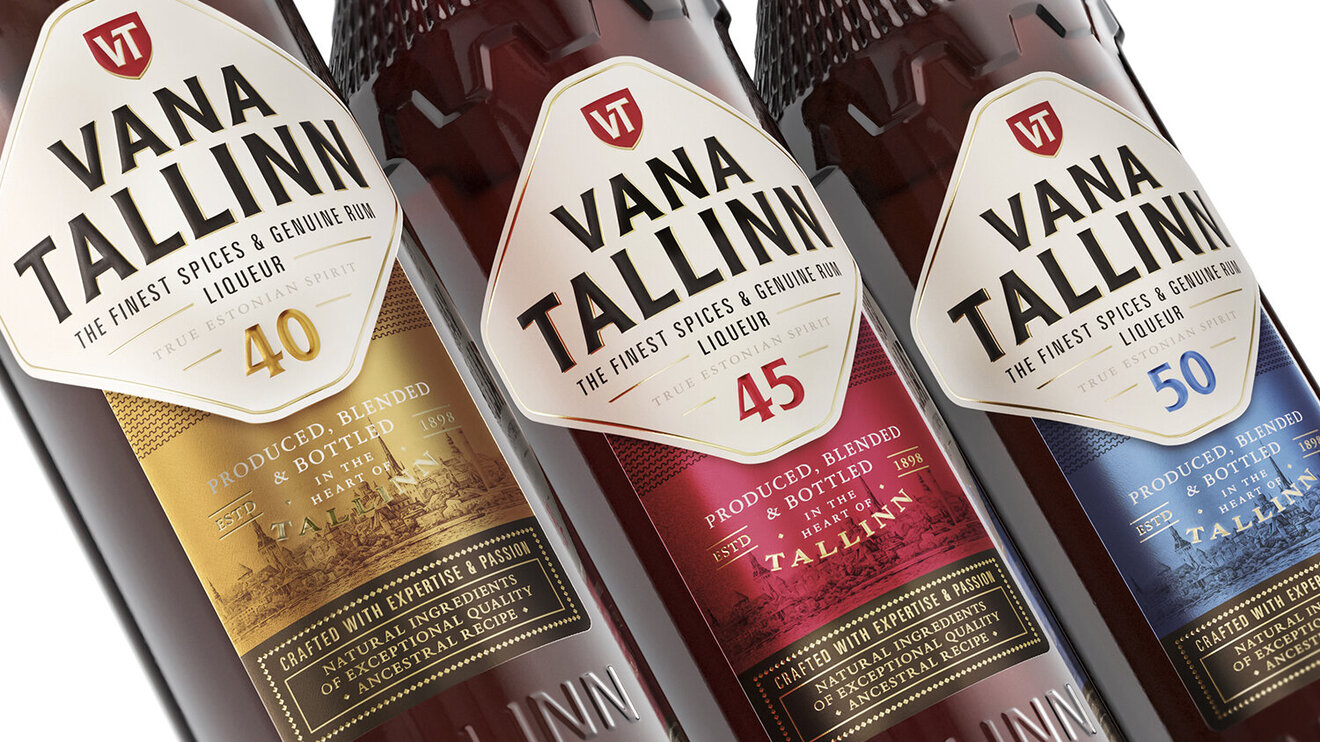
The "Womanstacker" cocktail was one of the best-known alcoholic drinks of the 1990s youth subculture. The name comes from the slang expression "to stack women," implying the drink's ability to quickly get women drunk.
The classic recipe
The traditional "Womanstacker" recipe includes:
- 120 ml chilled champagne
- 45 ml Vana Tallinn liqueur
The technique is simple: pour the Vana Tallinn into a glass, then top it off with chilled champagne. This cocktail is also known under the alternate names "Tickle-Tickle" and "The Liquid Leg-Spreader."
Popular variations
There are many variations on this cocktail, adapted to available ingredients and personal taste:
The cognac variant: any cognac mixed with cherry juice in a 1:3 ratio. This recipe is considered one of the most tried-and-tested and effective.
"Fireworks": an elaborate variant for special occasions. Pour 50-100 ml of Cointreau into a cocktail glass, light it, and warm it. Then sprinkle a pinch of cinnamon over it to create a fireworks effect, followed by two shots: cream (or Baileys) and dark rum.
The tropical variant: spiced rum (30 ml), coconut rum (30 ml), peach schnapps (15 ml), and pineapple juice (90 ml), served over ice and garnished with a strawberry.
Amaretto as a "womanstacker"
In the 1990s, the term "womanstacker" was often applied to the Italian liqueur Amaretto, which was especially popular among women. The liqueur, with its distinctive almond flavor (which some compared to the smell of cyanide), was considered an effective way to get someone drunk quickly. Despite the mocking attitude toward it, quality Italian Amaretto was prized by connoisseurs, though they warned of a nasty hangover afterward.
The cocktail in the novel
The novel's text presents the author's own version of the cocktail, under the poetic name "Dawn Over the Vistula." The character mixes, in equal parts, the Italian sparkling wine Spumante, Martini vermouth, and the German liqueur Bärensiegel. This recipe demonstrates the operating principle of classic "womanstackers": a high sugar and carbonation content speeds alcohol absorption into the bloodstream, while the vermouth is added to balance the flavor so the mix isn't cloyingly sweet.
The mention of the character Pashka, who "used Cinzano from the storeroom to save money," reflects the realities of the 1990s, when quality imported liquor was often swapped out for cheaper substitutes of dubious origin. "Bootleg Polish vermouth" was a common sight in an era when the market was flooded with counterfeit goods.
Cultural context
The "womanstacker" phenomenon reflects the specific character of 1990s youth culture, when the arrival of affordable imported alcohol coincided with a broader liberalization of social norms. These cocktails became an integral part of young people's nightlife, symbolizing both new possibilities and a certain cynicism of the era.
The term became firmly embedded in youth slang and is still used today to describe any sweet alcoholic drink capable of getting someone drunk quickly, especially ones popular with women.