The term "Hoochie Coochie," tossed off by a character in the novel as a nickname, reaches back through a rich cultural lineage running from nineteenth-century American carnivals to Soviet intellectual circles of the 1990s.
Origins of the Name
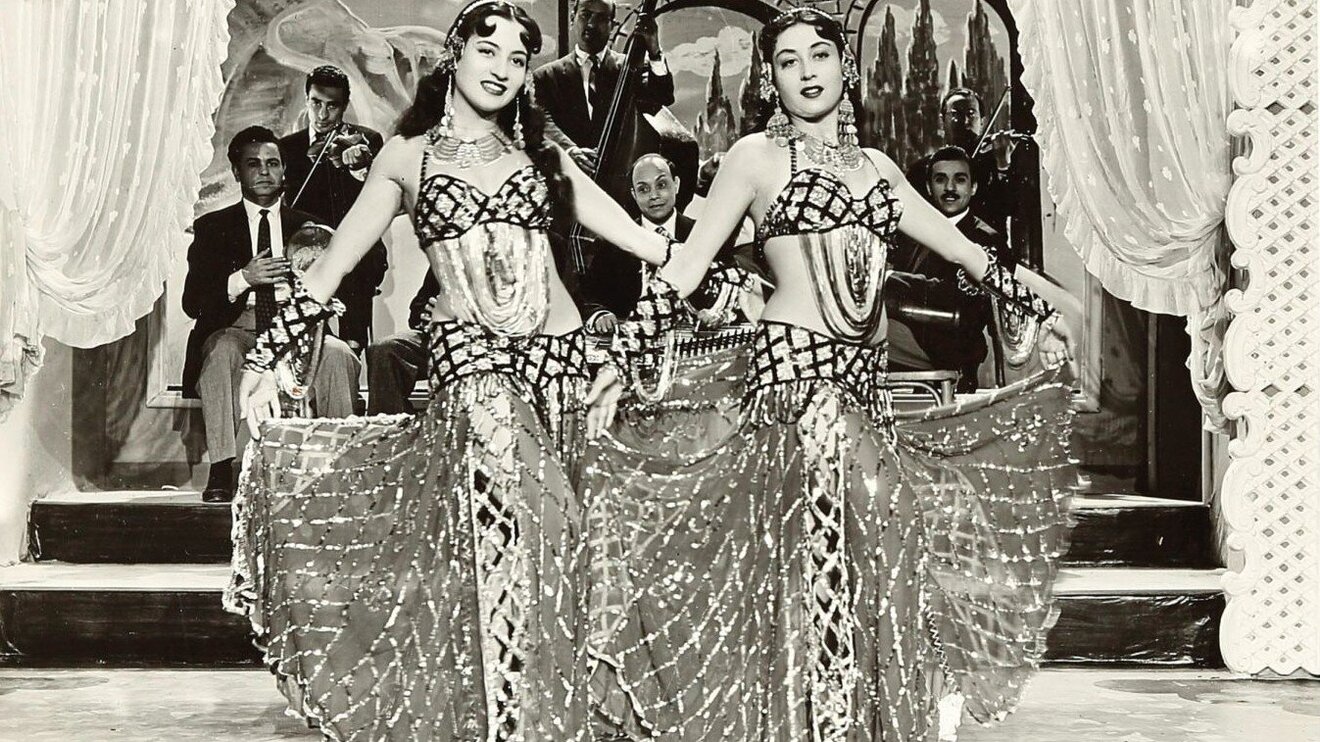
"Hoochie coochie" is an umbrella term for sexually suggestive, belly-dance-like performances that spread widely across the United States in the mid-to-late 19th century. The dance was performed mostly by women presenting themselves as Middle Eastern or Roma, often as part of traveling shows and carnivals.
Such dances were originally called the "belly dance," danse du ventre, or "couta couta." The shift to "coochie coochie," and then "hoochie coochie," came under the influence of popular song rhymes of the 1860s–80s, which featured similar-sounding phrases like "hoochy, coochy, coochy" or "kutchy, kutchy coo."
Worldwide Fame
The "hoochie coochie" gained real popularity after the 1893 World's Columbian Exposition in Chicago, where such performances were a huge hit. By the 1890s, the dance had displaced the cancan as the reigning "scandalous" dance in New York's dance halls.
Since women performed the dance, a "hoochie coochie man" meant either the organizer of such a show, an audience member, or, more broadly, a man who was successful with women.
A Blues Standard
The term found new life through "Hoochie Coochie Man," written by Willie Dixon and first recorded by Muddy Waters on January 7, 1954, in Chicago. The song became a blues standard, reaching No. 8 on Billboard's Hot R&B/Hip-Hop Songs chart.
The song earned numerous honors: inducted into the Blues Hall of Fame in 1984, awarded a Grammy Hall of Fame Award in 1998, named to the list of "500 Songs That Shaped Rock and Roll," and ranked 225th on Rolling Stone's list of the "500 Greatest Songs."
Famous Performers
After Muddy Waters, "Hoochie Coochie Man" was covered by many famous musicians: Jimi Hendrix, the band Steppenwolf, Motörhead, and Suzi Quatro — it was Quatro, in fact, who introduced the song to many European listeners in the 1970s.
The term also made its way into pop culture through other channels — for instance, through Jerry Leiber and Mike Stoller's song "Little Egypt (Ying-Yang)," and it turns up in Alan Jackson's country hit "Chattahoochee."
In the Soviet Context
In the USSR and 1990s Russia, the term "hoochie coochie" was familiar mainly to the intelligentsia — people who listened to Western music, blues and rock above all. It was through records by Muddy Waters, Jimi Hendrix, and especially Suzi Quatro that Soviet music lovers first encountered this bit of Americana.
Using such a nickname in 1993 marked the speaker as someone versed in Western musical culture — which at the time signaled a certain education and access to "unofficial" culture. It was an era when knowing English-language musical terms and references served as a kind of cultural password among the more advanced strata of youth and the intelligentsia.
So the casually tossed-off "Hoochie Coochie" doesn't just mark the character as a connoisseur of Western culture — it captures the spirit of an era of active cultural exchange, when previously inaccessible layers of world culture were suddenly there for the taking.