Madeira is a fortified wine that takes its name from the Portuguese island of the same name in the Atlantic Ocean. Production of this noble drink began on the island of Madeira in the fifteenth century, shortly after its colonization by the Portuguese in 1419.
What makes Madeira unique is its distinctive production method — "estufagem" (heating). This method was originally discovered by accident, when barrels of wine were shipped across the tropics and the heat gave the wine a distinctive taste and aroma. Winemakers later began deliberately subjecting the wine to heat, placing barrels in the sun or in specially heated rooms.
In the seventeenth through nineteenth centuries, Madeira was considered one of the most prestigious and expensive wines in the world. It was especially prized by the aristocracy and the wealthy of Europe and America. England, as Portugal’s chief trading partner, played a major role in spreading Madeira around the world.
The Legend of the Chosen Execution
There’s a legend about the Duke of Clarence, brother of the English King Edward IV, who was accused of treason in 1478. According to the story, the duke, sentenced to death, was allowed to choose his method of execution and asked to be drowned in a barrel of Madeira. Though historical records more likely point to malmsey (another fortified wine) as the actual drink in question, the story became part of the folklore surrounding Madeira and reinforced its reputation for value and prestige.
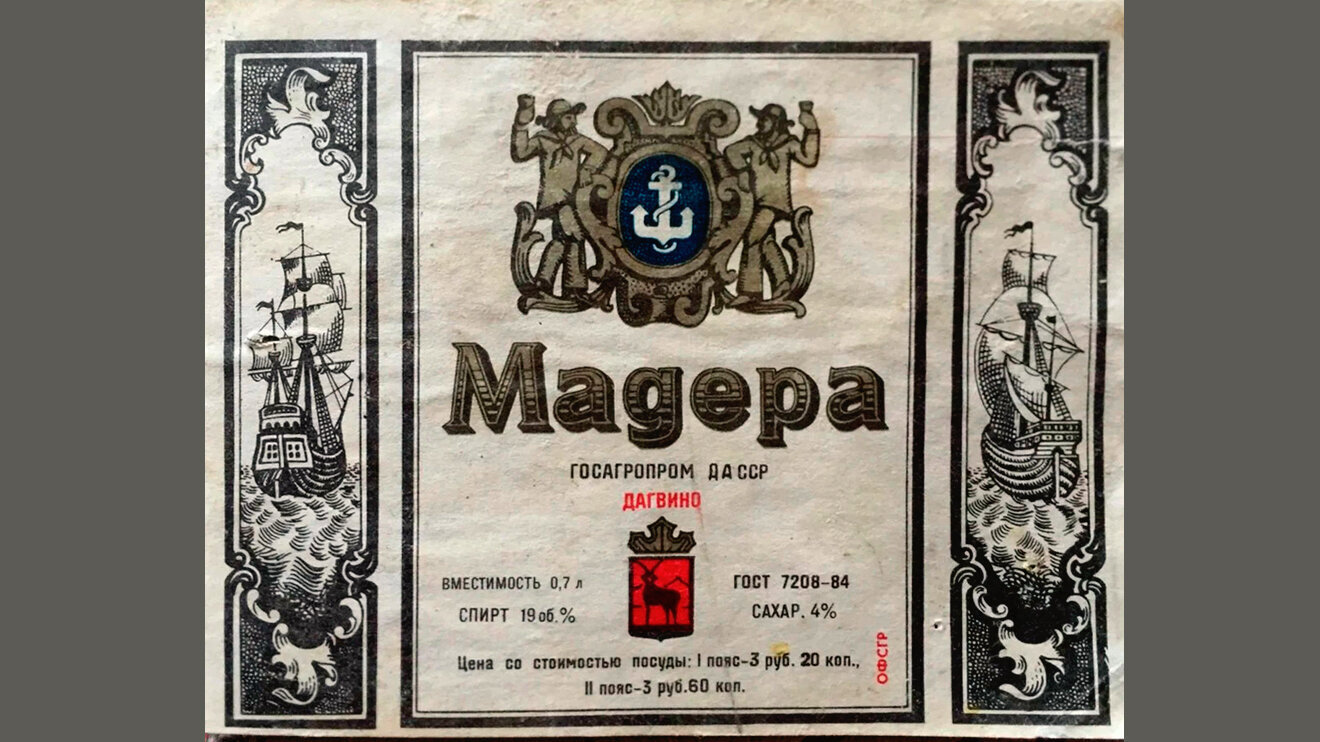
Madeira in the USSR
In the Soviet Union, production of fortified wines, including the so-called "Soviet madera," was carried out on a substantial scale, particularly in Crimea and the Caucasus. This wine, however, differed significantly from genuine Portuguese Madeira, both in production method and in taste.
Soviet madera was widely available to the general population and lost any status as an elite drink. It was often little more than an ordinary fortified wine with added sugar, alcohol, and caramel coloring. As a result, in the popular consciousness of the post-Soviet space, "madera" came to be associated with cheap fortified wine, even though genuine Portuguese Madeira remains a valuable drink with a centuries-long history and unique characteristics.
Today, authentic Madeira is regaining popularity among wine connoisseurs as a unique drink with a rich history, capable of preserving its qualities for decades, even centuries.