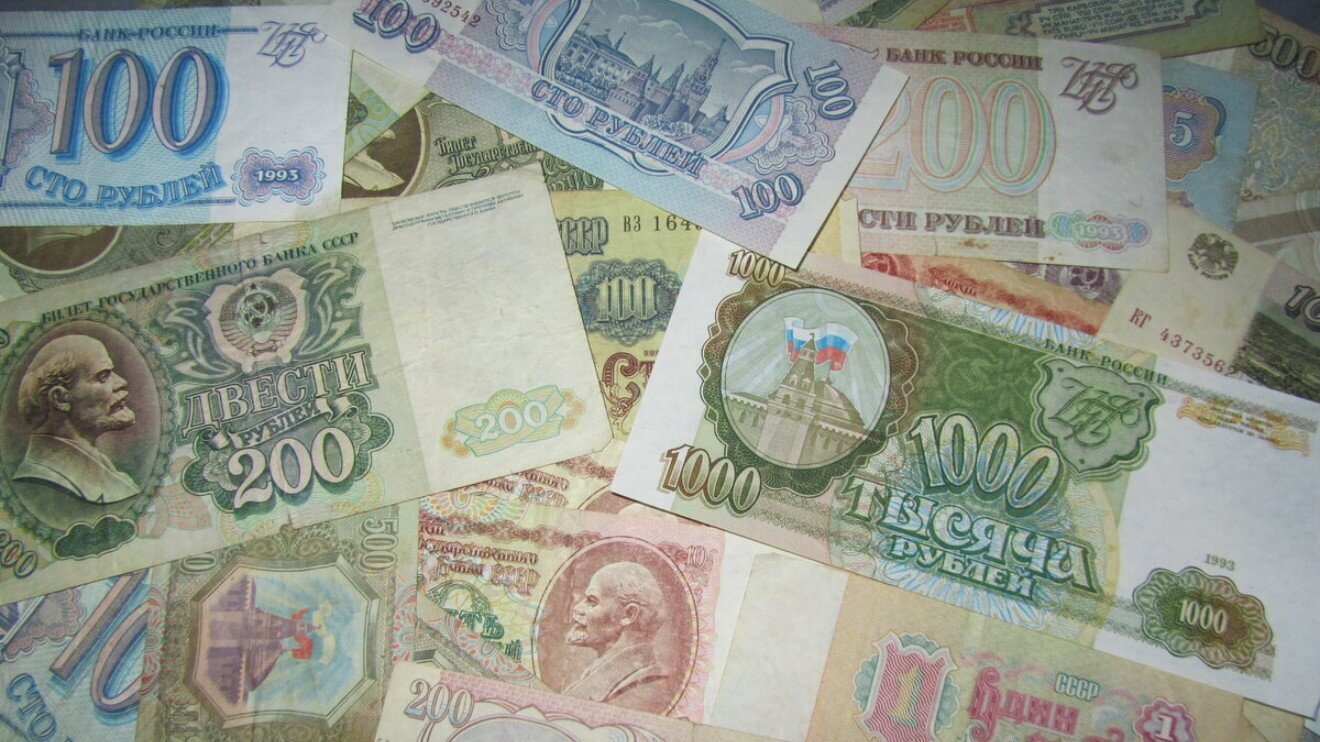
In the novel, the protagonist mentions «obnalichka» — a phenomenon that became an inseparable part of the Russian economy of the 1990s and helped define the look of an entire era.
What Obnalichka Is
Obnalichka (slang, from «obnalichivaniye deneg,» «cashing out money») is the practice, widespread from the early 1990s on, of illegally obtaining cash in order to evade taxes. Unlike legitimate cash withdrawal (taking money out at a bank or ATM), «obnalichka» was a semi-criminal scheme for obtaining «black cash» — money left out of official accounting.
The core mechanism of obnalichka was signing sham contracts with front companies that supposedly supplied goods or services but in fact did nothing. Non-cash funds were transferred to these companies’ accounts, then withdrawn as cash, minus a commission (usually 1–15% of the sum).
Historical Context
The obnalichka phenomenon actually took root back in the late 1980s, when Komsomol and Party officials began setting up commercial ventures on the back of state institutions. The USSR State Bank would transfer funds earmarked for «developing scientific creativity,» and that money would in fact go toward buying VCRs and setting up commercial video-viewing rooms.
Obnalichka spread on a mass scale during the shock therapy of the early 1990s. Hyperinflation caused an acute shortage of cash, and more than 60% of transactions were happening through barter. Under these conditions, even the heads of state enterprises openly used the services of «cash-out» firms.
«Legal business is a headache and, as a rule, a money-loser… a completely idiotic tax code that eats up 96 kopecks out of every ruble of profit»
How the Schemes Worked in the 1990s
Before 1995, cash-out operations weren’t even disguised — services were openly advertised in the newspapers. Commissions ran 15–18%, but fell to 5–7% by the end of the decade thanks to fierce competition.
A Typical 1990s Scheme
- A company wires money to a «cash-out» firm for supposed consulting services rendered
- The firm withdraws the money from the bank by check or forged documents
- It keeps 10–15% as commission, passing the rest back to the client
- The money disappears into the shadow economy, untaxed
Forged or stolen passports were widely used — according to Interior Ministry data, two-thirds of all such operations ran on the documents of dead people or lost passports. Fly-by-night firms were often registered to students for a small fee.
Social Causes and Consequences
Obnalichka was a response to the flawed tax legislation of the transitional period. The progressive income tax rate reached 40%, driving business underground. At the same time, the practice of «envelope wages» emerged, something the Russian state is still fighting today.
The consequences were catastrophic: enormous budget shortfalls, distorted statistical reporting, and an unlevel playing field for honest entrepreneurs. As experts noted, refusing to use cash-out schemes often meant economic ruin, since a business simply couldn’t compete on price otherwise.
The «Chechen Avizo» Scandal and Major Frauds
One of the most notorious cases became known as the «Chechen avizo» — forged bank payment orders. From 1992 to 1994, 485 forged avizo notes worth more than a trillion rubles arrived from Chechen banks. Nearly 900 banks and 2,000 companies across the country ended up cashing out the money.
Cultural Context
By the mid-1990s, obnalichka had become such an everyday phenomenon that pamphlets titled «How Not to Pay Taxes,» complete with detailed schemes, were sold in metro underpasses. Society had developed a fairly permissive attitude toward such practices, seeing them as a necessary means of survival amid economic chaos.
In the novel, the mention of cash-out schemes marks the characters as people of their time, well versed in the realities of the transitional economy and ready to use every available means to achieve financial success amid a systemic crisis.