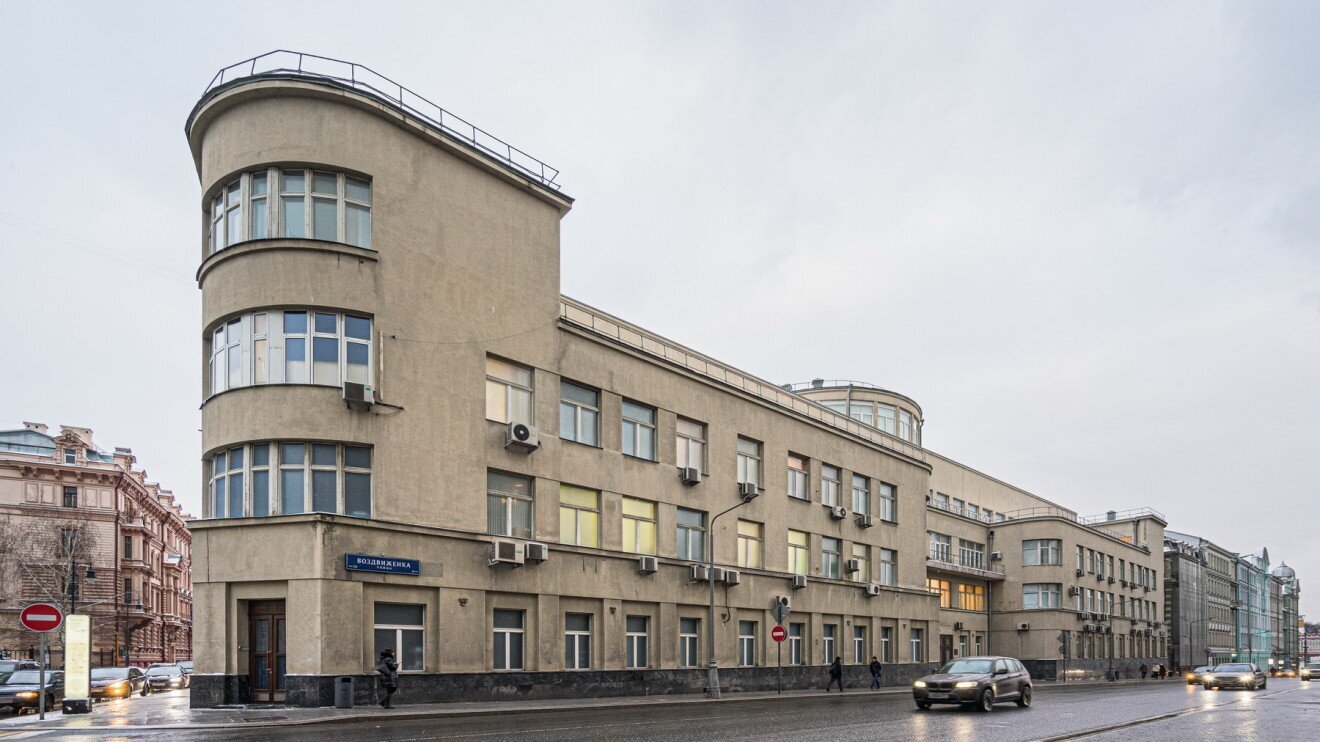
In 1996, the famous Kremlin Clinic on Romanov Lane in Moscow was still operating — one of the most exclusive and prestigious medical institutions of the Soviet era, which retained its status into the post-Soviet period.
History and status
The clinic building was built in 1929, incorporating the Sheremetev family's estate buildings, in the Constructivist style. Originally, the institution was intended exclusively for top Party leadership, but by the 1990s the range of patients had broadened considerably.
Features in 1996
By the mid-1990s, the clinic on Romanov Lane remained an elite medical institution, though no longer as closed off as in Soviet times. During this transitional period:
- It maintained a high level of medical care thanks to experienced specialists
- Paid treatment became available for "outside" patients
- Privileges remained for the former Party nomenklatura and the new government officials
- Top specialists continued to work there, many holding advanced academic degrees
Architecture and location
The four-story building, with its distinctive cylindrical facade and rounded corners, stood at the corner of Vozdvizhenka and Romanov Lane. In 1996, it retained its historical appearance virtually unchanged since its construction.
Medical profile
The clinic offered a wide range of medical services, including:
- An internal medicine department (mentioned in the text)
- Cardiology
- Neurology
- Diagnostic offices
- Treatment rooms
Staff and patients
In 1996, "old school" doctors trained in the Soviet period still worked there. Among the patients one could find:
- Former Party officials
- Government officials from the new administration
- Prominent figures in science and culture
- Members of the new business class, who gained access through paid services
An interesting fact
During the transitional 1990s, the clinic offered a unique blend of social groups — from elderly Party functionaries to "New Russians" in crimson blazers — which gave the place a distinctive atmosphere.