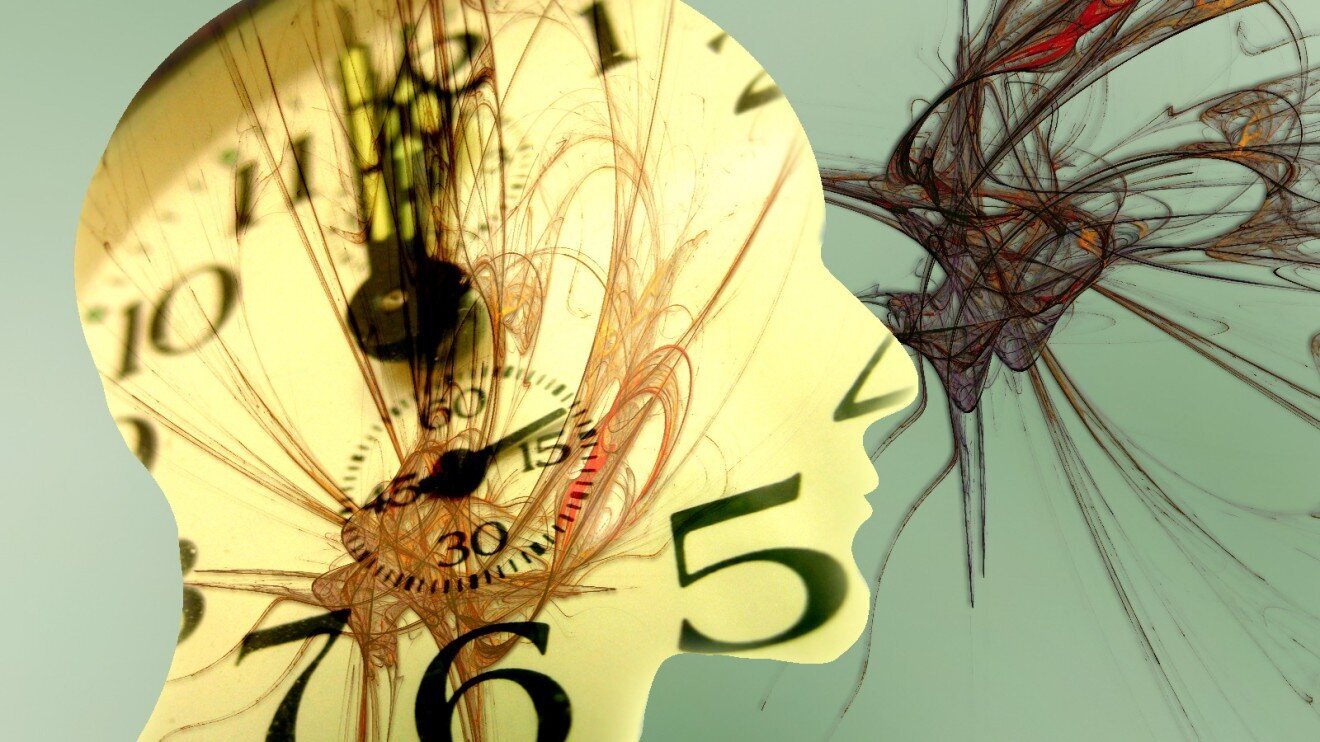
The circadian rhythm is the body’s biological clock, regulating a wide range of physiological processes over a 24-hour cycle. These internal rhythms help the body adapt to the alternation of day and night, affecting sleep, wakefulness, energy levels, metabolism, body temperature, and many other aspects of how we function.
How Do Circadian Rhythms Work?
Circadian rhythms are governed by a group of brain cells known as the suprachiasmatic nucleus (SCN), located in the hypothalamus. This nucleus synchronizes with external signals, such as light and darkness, through the optic nerve. When the eyes register a change in light levels, the brain gets a signal to activate or suppress certain processes. For example:
- In the morning, under bright light, cortisol levels rise, promoting wakefulness.
- In the evening, as light fades, the brain starts producing melatonin, a hormone that prepares the body for sleep.
Why Do Circadian Rhythms Matter?
Circadian rhythms play a key role in maintaining physical and mental health. Disrupting these rhythms can lead to:
- Drowsiness or insomnia. Night-shift work or frequent travel across time zones, for instance, can throw off the internal clock.
- Slower metabolism. Circadian imbalance is associated with obesity, diabetes, and other metabolic disorders.
- Trouble with concentration and cognitive function, since the brain doesn’t get adequate rest.
- A weakened immune system, making the body more vulnerable to infection.
How to Keep a Healthy Circadian Rhythm
To keep your biological clock running properly, it helps to follow a few simple guidelines:
- Keep a sleep schedule. Go to bed and wake up at the same time, even on weekends.
- Get daylight exposure. Daily walks outdoors help sync your internal clock with the natural day cycle.
- Avoid bright light before bed. A phone or computer screen can suppress melatonin production.
- Cut back on caffeine in the afternoon. This helps your body wind down faster in the evening.
- Create a comfortable sleep environment. Darkness, quiet, and a cool temperature all promote deep rest.
Circadian Rhythm and Technology
Modern life, with its bright screens, nighttime entertainment, and irregular work schedules, can disrupt our natural rhythms. In response, scientists and developers are creating technologies to help people restore balance: meditation apps, "night light" modes on smartphones, and even smart lamps that adjust their brightness based on the time of day.
Conclusion
Circadian rhythms are a natural mechanism that helps our bodies stay healthy and productive. Looking after them doesn’t take much effort, but the payoff — better well-being, solid sleep, and high energy — is well worth the attention.