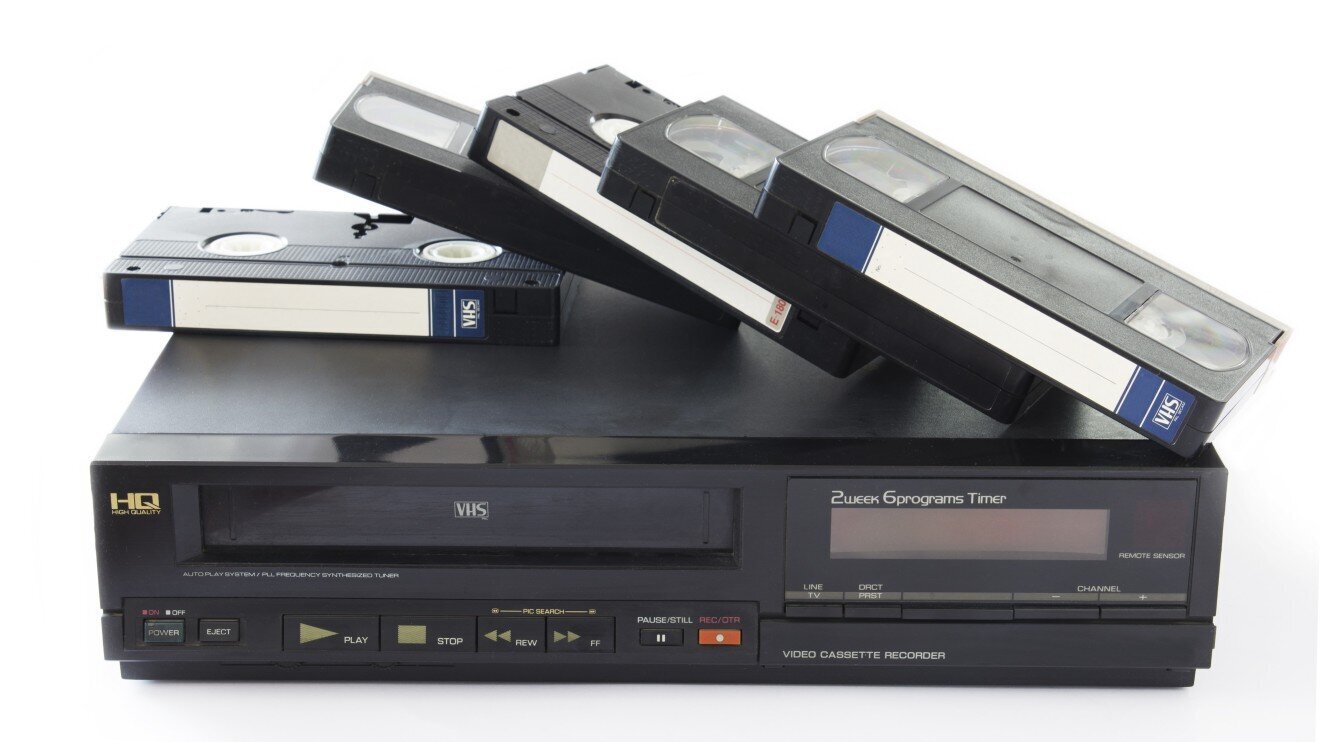
A «video combo» (sometimes rendered «video pair») refers to a matched set of home video equipment — a television and a VCR, typically bought together and used as a unit.
The term was widespread in Russia and the former Soviet republics from the late 1980s through the early 2000s. In the early 1990s, in the period depicted in the novel, owning a video combo was considered a mark of prosperity and prestige. After the USSR collapsed and the borders opened to imported foreign electronics, a video combo became one of the most coveted purchases a Russian household could make.
A standard video combo consisted of a color television (most often with a 21- to 28-inch screen) and a VHS-format VCR. The most popular brands of the era were Panasonic, Sony, Samsung, Funai, Akai, JVC, and other Japanese and Korean manufacturers. The VCR allowed not only the viewing of films on VHS tapes but also the recording of broadcast television.
In early-1990s Russia, buying a video combo opened access to an enormous swath of foreign culture — Hollywood films, music videos, and television shows that had never before been available to the Soviet viewer.
In the context of 1993, as Russia was undergoing a rapid economic transformation and a new class of entrepreneurs was taking shape, the ability to buy expensive imported electronics — and to do it «casually,» as described in the text — was an unmistakable display of financial well-being and new social status. Video rental shops, where cassettes of films could be borrowed, became an inseparable part of the urban culture of the time. A collection of videocassettes was also frequently a point of pride for a video combo’s owner.
By the late 1990s and early 2000s, video combos were gradually pushed aside by DVD players and, later, digital technology. But in the period the novel depicts, they were at the very height of their popularity and desirability.