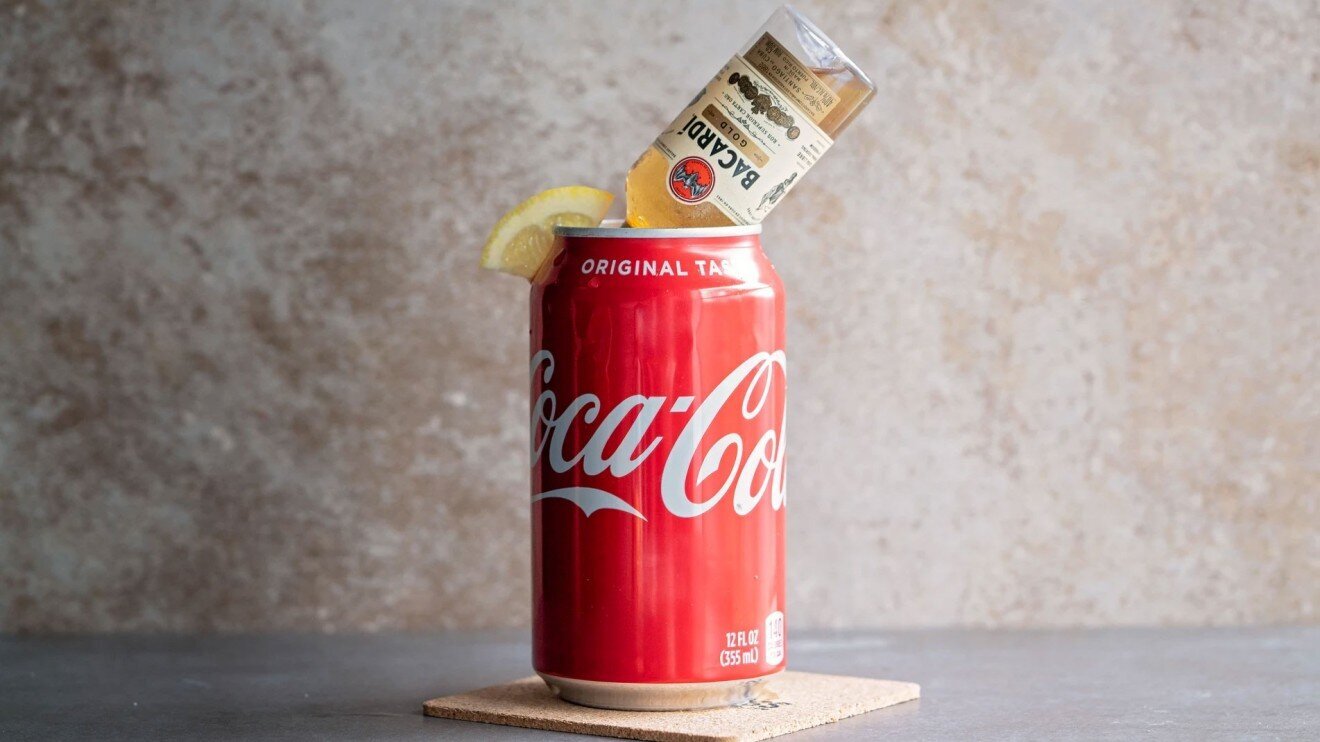
The 0.33-liter bottle size (or "zero-thirty-three," as the text puts it) does indeed have a foreign origin. This unit of volume came to Russia from the West and, in the early 1990s, was seen by many as something foreign, "bourgeois."
The history of this bottle size traces back to the early-20th-century United States. In 1903, the Pepsi-Cola company moved production of the drink out of founder Caleb Bradham's pharmacy and into a rented warehouse. At the time, the drink was sold in 177 ml bottles. But during the Great Depression of the 1930s, Pepsi-Cola began selling 12-ounce (354 ml) bottles for just five cents, while Coca-Cola offered 6-ounce bottles at the same price. This marketing move significantly boosted Pepsi's popularity.
12 US fluid ounces (354 ml), when converted to the metric system, were rounded to 1/3 liter, or 330 ml, which became the European standard. It's in this size that canned soft drinks and beer spread around the world.
In the USSR, Pepsi-Cola began official production only in the 1970s, following an agreement between PepsiCo and the Soviet government. In 1974, the first Pepsi production line opened in Novorossiysk. Under a 1979 franchise agreement, the American drink began being bottled at the Polyustrovo facility in Leningrad, specifically in 0.33-liter glass bottles. That same year, mass sales of Pepsi began at 73 dedicated kiosks in Moscow, each selling around 4,000 bottles of 0.33 L a day at 45 kopecks apiece.
As for beer, standardization of bottles took place in Germany, a country with rich beer traditions, in the early 20th century. In 1906, on the initiative of the Engelhardt brewery in Berlin, standardized 0.33 L bottles appeared for different types of beer: brown for lager, green for malt beer and porter. These bottles carried a 10-pfennig deposit.
In Russia and the USSR, the traditional bottle size for beer and other drinks was 0.5 liters. So the appearance, in the early 1990s after the collapse of the USSR, of imported drinks (and domestic ones made under Western license) in 0.33 L containers was seen by many as something foreign, inauthentic, "not ours." Hence the character's remark that it's a "purely bourgeois" format.
In 1993, when the novel is set, imported drinks and their domestic counterparts in 0.33 L containers were only just beginning to appear widely on the Russian market, and puzzled many people: paying nearly the same price for less volume seemed like a bad deal. This explains the character's rejection of such a "measure" as "wrong" and "not how it's supposed to be."
Today, the 0.33 L size has become familiar to Russians, especially for premium drinks and imported beer, but in the early 1990s it was one of the symbols of the Westernization of the Russian consumer market, and it stirred mixed feelings in many people.