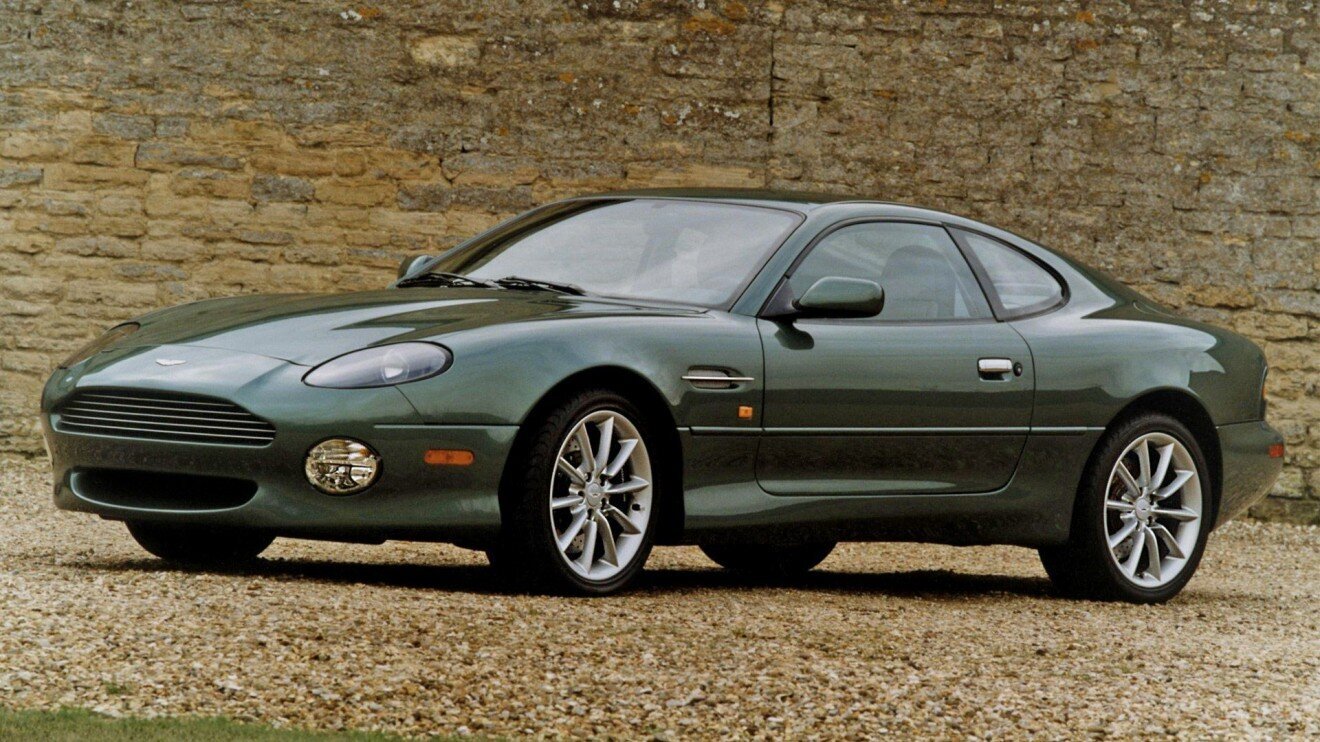
Aston Martin is a British manufacturer of luxury sports cars, whose name has become synonymous with style, elegance, and exceptional engineering. Founded in 1913, the company, over more than a century of history, has grown from a small workshop into a globally recognized brand associated with the highest tier of automotive luxury.
Founding the Company
The Aston Martin story begins with two entrepreneurs: Lionel Martin and Robert Bamford. They initially built cars under the name Bamford & Martin, but in 1915 the first car bearing the name Aston Martin appeared. The brand name was inspired by Aston Hill, where Lionel Martin had a successful run racing a Singer-10.
World War I interrupted production. After the war ended, the company began producing new models, leasing workshop space on Abingdon Road.
Legendary Models and the David Brown Era
The turning point came in 1947, when industrialist David Brown acquired the company. It was Brown who introduced the DB designation (his own initials) into the model names, which became iconic for the brand. This period produced such cult classics as the DB2, DB4, and, of course, the DB5, which became an inseparable part of the James Bond film franchise.
Brown’s dream was to win the famous 24 Hours of Le Mans, a dream realized in 1959.
Hard Times and Changes of Ownership
Despite its successes, Aston Martin repeatedly ran into financial trouble. After several changes of ownership, in 1987 control of the company passed to the Ford Motor Company, which gradually invested in modernizing production and expanding the model lineup.
In 1993, Ford became full owner of the marque, folding it into the Premier Automotive Group. During this period, a plant was launched in Bloxham, and production began on the DB7, which became a commercial success.
1990s Models
In the 1990s, Aston Martin offered cars that perfectly blended classic British motoring with modern technology:
- Virage — a powerful, elegant sports car with a V8 engine;
- Vantage — an extreme version of the Virage with improved dynamics;
- DB7 — a revival of the legendary DB line, made accessible to a wider audience thanks to a relatively moderate price and modern design.
Cars from this era became symbols of the luxurious life of the late 20th century, including for Russia’s elite, who, with the start of the economic reforms of the 1990s, gained the ability to buy luxury Western cars.
Bespoke Production and Uniqueness
A defining trait of Aston Martin has always been its individualized production. Every car was assembled by hand, with a special bronze plaque engraved with the name of the craftsman responsible for building that particular car. This gave each vehicle not just uniqueness but a certain soul.
Aston Martin in Art and Culture
Aston Martin has become part of global pop culture. Best known is the DB5’s role in the James Bond films. In the 1970s, the DBS also appeared in the British TV series The Persuaders!, driven by the character Brett Sinclair.
Modern Achievements and Prospects
In 2007, Ford sold Aston Martin to a consortium of investors led by David Richards, owner of Prodrive. In the years that followed, new partners invested in the company, including the Investindustrial fund and the Daimler AG group. Together with Daimler, a modern V8 engine was developed for new Aston Martin models.
Despite the hardships and changes of ownership, Aston Martin remains a symbol of English automotive design and engineering.
Conclusion
Aston Martin is more than just a means of transport — it’s an expression of a lifestyle, a passion for speed, and a respect for tradition. For Russia in the late 1990s, owning a car of this marque was not just a marker of high status but proof of its owner’s refined taste.
Today, Aston Martin remains one of the most coveted luxury brands, producing cars that combine exquisite design, unmatched build quality, and engineering excellence.