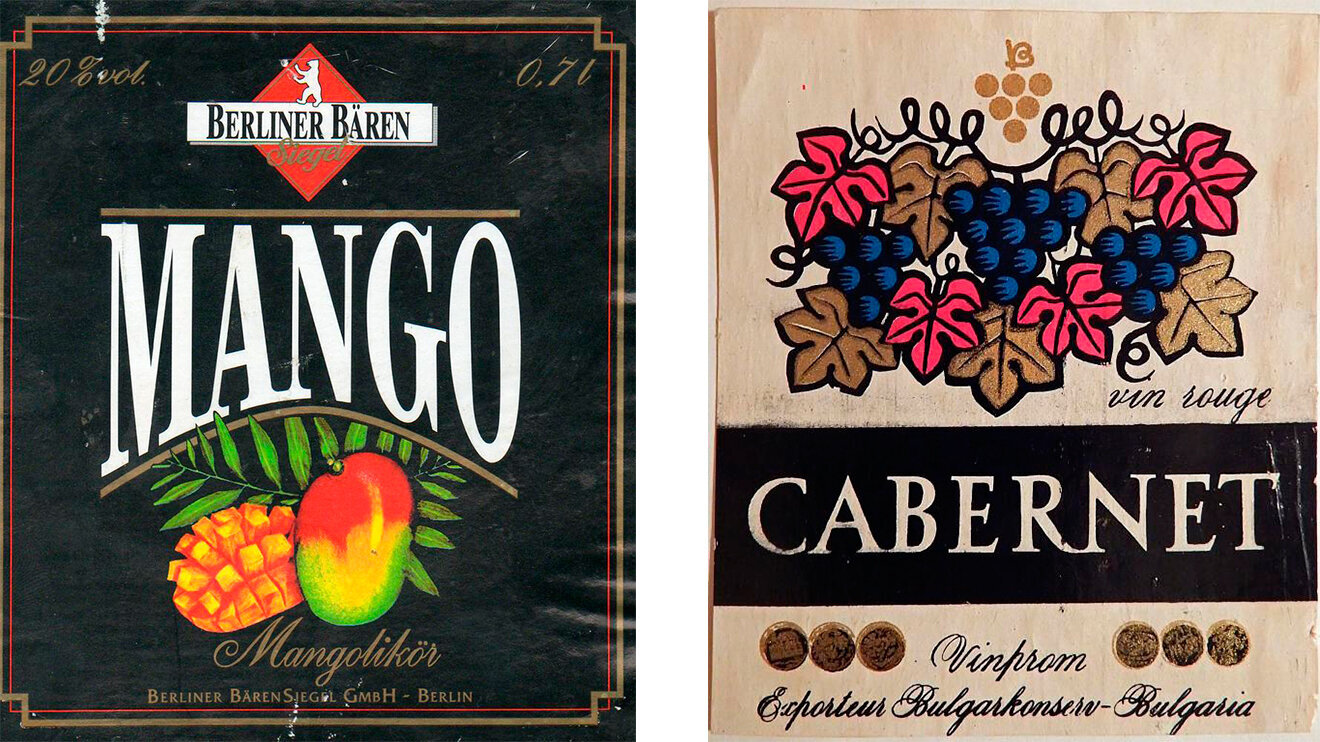
In the early 1990s, a flood of imported goods poured into Russia, and alcoholic drinks from the former socialist countries occupied a special place among them. This market stood out for its wide range and considerable price gaps between products that looked similar on the surface.
East German Spirits
One of the best-known brands was «Bärensiegel,» East Germany’s largest producer of liqueurs and hard spirits. Founded in 1950, the Berlin-based company had a rich history reaching back to liqueur factories of the late nineteenth century. By 1989 the plant was turning out roughly 26 million bottles of various spirits a year.
Among Bärensiegel’s popular products:
- «Wurzelpeter» — its signature herbal liqueur
- «Goldkrone» — a premium-grade hard spirit
- «Berliner Klarer» — a traditional German vodka
After German reunification, Bärensiegel products got considerably pricier, since production was reorganized to Western standards. That explains why the «German» version cost several times more than its counterparts from other countries.
Winemaking in Bulgaria, Hungary, and Romania
These countries had long winemaking traditions:
Bulgaria was known for its red wines, especially Cabernet, Merlot, and Mavrud varietals. Most Bulgarian wine was made using French techniques but with local grape varieties. The largest wine regions were the Thracian Lowlands and the Black Sea coast.
Hungary was known mainly for white wines and Tokaj dessert wines. Hungarian «Tokaji» and «Egri Bikavér» («Bull’s Blood») wines were considered elite even in Soviet times. Hungarian product quality was consistently high.
Romania offered a wide range of wines, from simple table wines to collector’s bottles. Romanian wines like «Murfatlar,» «Cotnari,» and «Dealu Mare» were quite popular. With looser quality control, Romanian products were often cheaper than their counterparts from other countries.
Poland: Middleman and Producer
Poland lacked the deep winemaking traditions of its southern neighbors. The country made its name more as a reseller and processor of alcoholic products. Polish plants bought rectified spirit and wine base from other countries, including Bulgaria and Romania, and then produced finished goods under their own or licensed brand names.
Interestingly, many Polish producers put out alcohol under well-known Western or East German brand names, with or without a license. So the Polish «Bärensiegel» mentioned in the text was either licensed product (made from ingredients supplied from the former GDR) or simply a knockoff using a recognizable name.
That explains the odd pricing: the Polish version was cheaper than the German original (thanks to lower production costs and taxes), but pricier than the Romanian one (which was probably a straightforward counterfeit paying no licensing fees at all).
The Counterfeit Phenomenon
In the early 1990s, Russia’s alcohol market was flooded with counterfeits. The most common schemes:
- Bottling cheap spirit under well-known brand names
- Using similar names and labels
- Making an «original» product while cutting corners on the manufacturing process
Western brands and products from countries with strong winemaking reputations were especially frequent targets for counterfeiting. Bulgarian, Hungarian, and Polish «Cabernet» could be exactly the same drink bottled under different labels, or could differ drastically in quality.
In some cases, local Moscow-made product really was cheaper than the imported version, thanks to the absence of customs duties and low transport costs. What’s more, some underground Russian producers bought up genuine empty bottles from imported brands to fill with their own product, adding yet more confusion to the market.
As a result, by the early 1990s the Russian alcohol market had become a thoroughly tangled situation that even experienced entrepreneurs couldn’t always sort out.