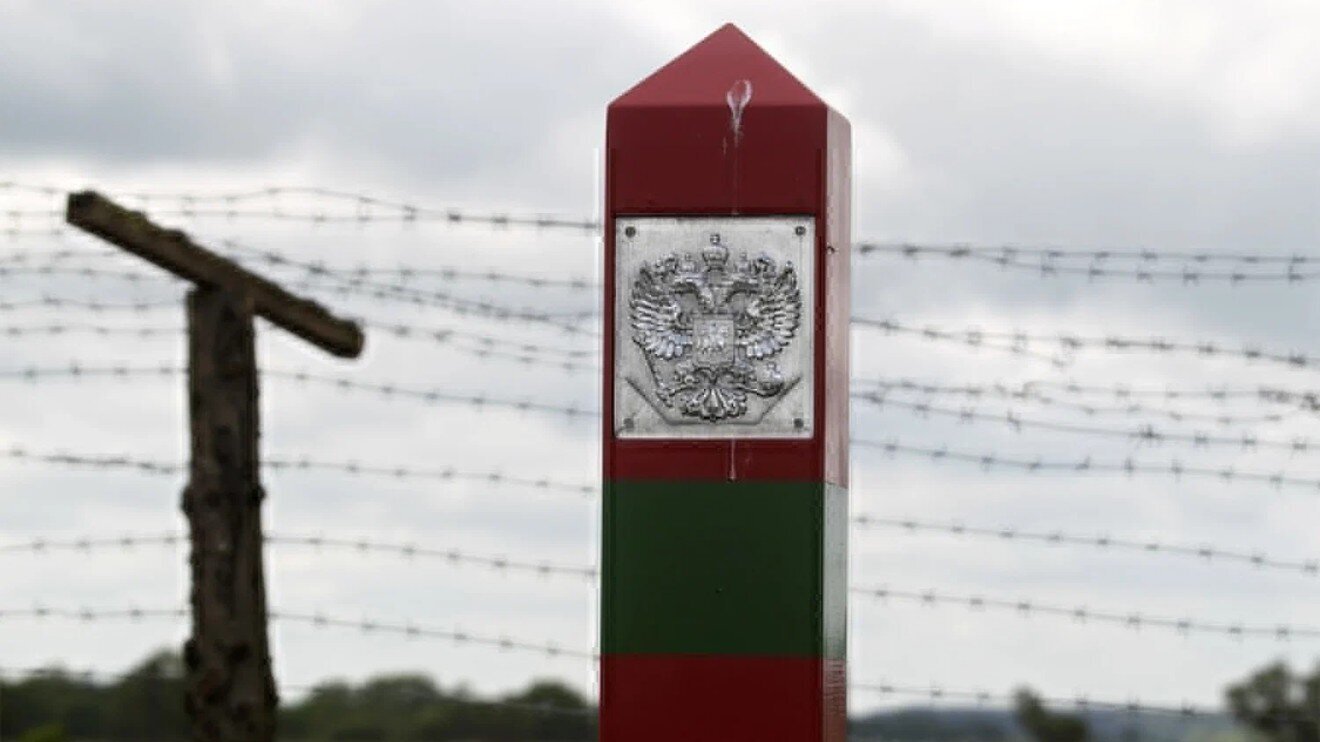
The phrase «cross the border on goat trails, only to come back without a hat and in one boot» is a direct allusion to the final scene of Ilya Ilf and Yevgeny Petrov’s novel «The Golden Calf» (1931), in which the great schemer Ostap Bender meets disaster at the Romanian border.
The Context of the Final Scene
In the closing part of the novel, Ostap Bender finally gets his coveted million rubles from the underground millionaire Alexander Ivanovich Koreiko. But possessing the fortune doesn’t bring the hero the happiness he expected — quite the opposite, he feels disappointment and boredom. Uttering the famous line «An idiot’s dreams have come true!», Bender decides to leave the USSR and start a «working bourgeois life» abroad.
The great schemer prepares meticulously for his escape: buying foreign currency, gold, diamonds, expensive goods. But all this preparation turns out to be for nothing — at the Romanian border, he’s robbed by the local border guards (the Siguranţa).
The Symbolism of Defeat
The authors describe in detail the humiliation of the once-brilliant con artist. After a scuffle with the border guards, Ostap is left «with a bloodied face, one boot on his foot, no fur coat, no monogrammed cigarette cases, no watch collection, no serving platter, no foreign currency, no cross, no diamonds, no million.»
The details of the «returnee’s» outfit — the missing hat, the single boot — become symbols of total collapse. Bender, who an hour earlier had «arrogantly bid farewell» to his country, now «hopped across the shifting ice floes, hurrying with all his might» back into it.
The Parallel With Amundsen
Scholars note that the authors deliberately draw a parallel between Ostap and the Norwegian polar explorer Roald Amundsen. At the moment he receives the million, Bender recalls how the explorer had reached the North Pole by airship and looked down to see «broken ice, cracks, cold, and emptiness.» The theme of ice symbolically frames both the moment he gains his fortune and the moment he loses it — the hero literally finds himself on the ice, and «the ice has begun to break up,» threatening final catastrophe.
A Tragicomic Return
Ostap’s final line — «No ovations, please! I didn’t turn out to be the Count of Monte Cristo. I’ll have to retrain as a building superintendent» — shows the hero’s capacity for self-irony even in total defeat. This inner freedom, according to literary scholars, makes Bender a «moral victor,» despite his material losses.
In this way, the image of a man illegally crossing a border and coming back with nothing became, in Russian culture, an enduring metaphor for the collapse of grand schemes and a forced return to prosaic reality.