Context in the novel
The text mentions Biryulyovo as a place where "cheap swill for drunks" is sold — a description typical of the early 1990s for one of Moscow's most troubled districts of the time.
Biryulyovo in the early 1990s
In 1993, Biryulyovo was a working-class settlement on the southeastern outskirts of Moscow, considered one of the most troubled and crime-ridden districts of the capital.
Administrative status
Before 1995, the territory of what is now Biryulyovo Vostochnoye was part of the Krasnogvardeisky district. The separate district of Biryulyovo Vostochnoye was only established on July 5, 1995, under the law "On the Territorial Division of the City of Moscow." In 1993, then, it was an outlying part of the Krasnogvardeisky district.
Social conditions
Biryulyovo had an extremely poor reputation in the early 1990s. The district was populated mainly by working-class residents — employees of the railway station and industrial enterprises. After market reforms began, many lost their jobs, driving up social tension.
Characteristic problems of the district in 1993
- High unemployment
- High crime rates
- Thriving "shadow" trade
- Alcoholism as a mass phenomenon
- Transport isolation
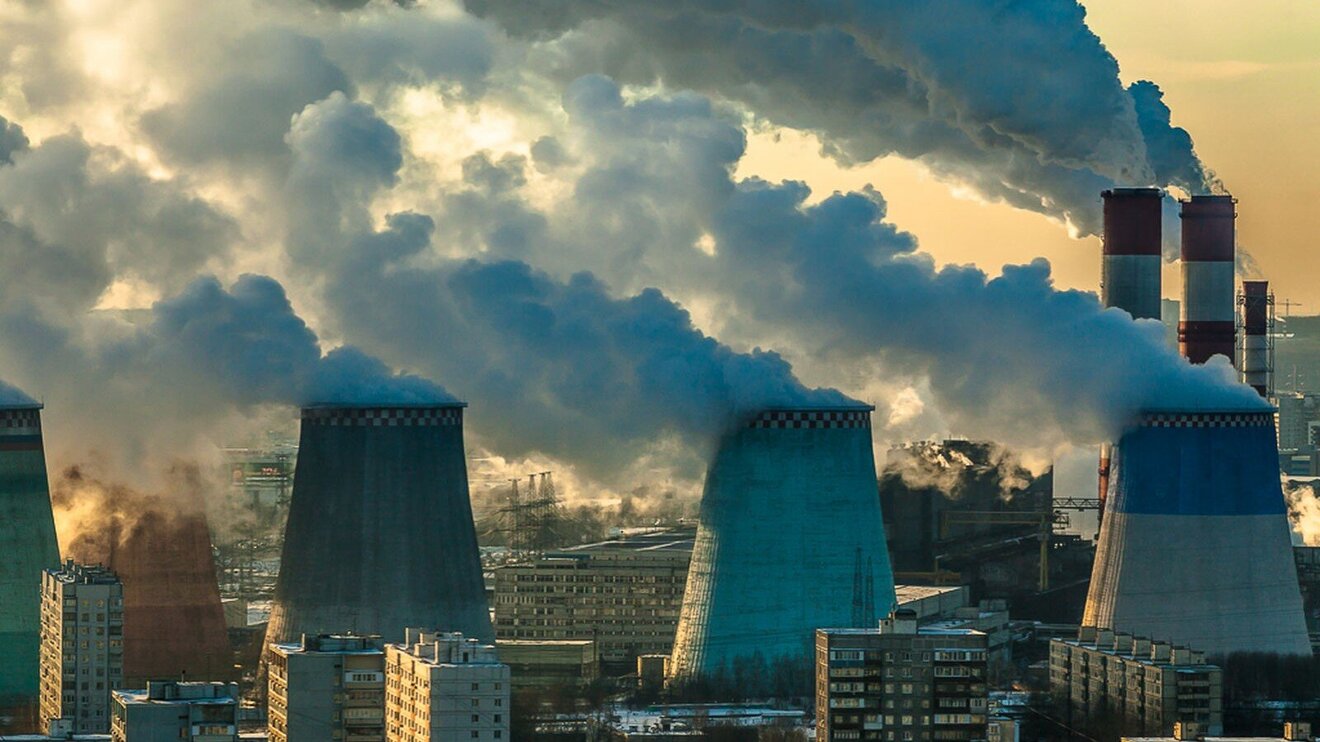
An environmental disaster
The environmental situation in the district was especially dire. The territory of neighboring Biryulyovo Zapadnoye held an extensive industrial zone, including:
- CHPP-26 — one of Moscow's largest combined heat-and-power plants
- A solid municipal waste processing plant — a constant source of air pollution
- A produce depot, with its characteristic smell of rotting food
Air pollution in the district was so severe that even in 2018, 25 years later, Biryulyovo Vostochnoye still ranked among Moscow's districts with the worst environmental conditions.
"Cheap swill" and the shadow trade
The text's mention of cheap alcohol sales reflects the real situation of the early 1990s. Amid the economic crisis, Biryulyovo became one of the centers of illegal trade:
- Counterfeit alcoholic beverages
- Stolen goods (as with the "Soveretto" liqueur mentioned in the text)
- Moonshine and alcohol substitutes
Its proximity to the Paveletskoye railway line made the district convenient for transporting and moving illegal goods.
Historical timeline
1900 — the settlement of Biryulyovo is founded
1960 — incorporated into Moscow
1971 — mass construction begins
1993 — the peak of the socioeconomic crisis
1995 — the district of Biryulyovo Vostochnoye is established
Why Biryulyovo specifically?
In the literature and journalism of the 1990s, Biryulyovo became a byword for the social bottom, a place inhabited by society's marginal strata. This was tied to:
- Its distance from the center
- Poor environmental conditions
- High crime rates
- Cheap housing
Symbolic meaning in the text
The mention of Biryulyovo in the context of trading counterfeit liqueur is no accident. For a reader in the 1990s, it was a clear signal about the quality of the goods and the social standing of their buyers. Phrases like "the drunks from Biryulyovo" or "cheap swill from Biryulyovo" were part of the era's shared vocabulary and needed no further explanation.
Note: Present-day Biryulyovo Vostochnoye has changed considerably since the 1990s. The district has been improved, new residential complexes have been built, and infrastructure has gotten better, though environmental problems partly remain to this day.