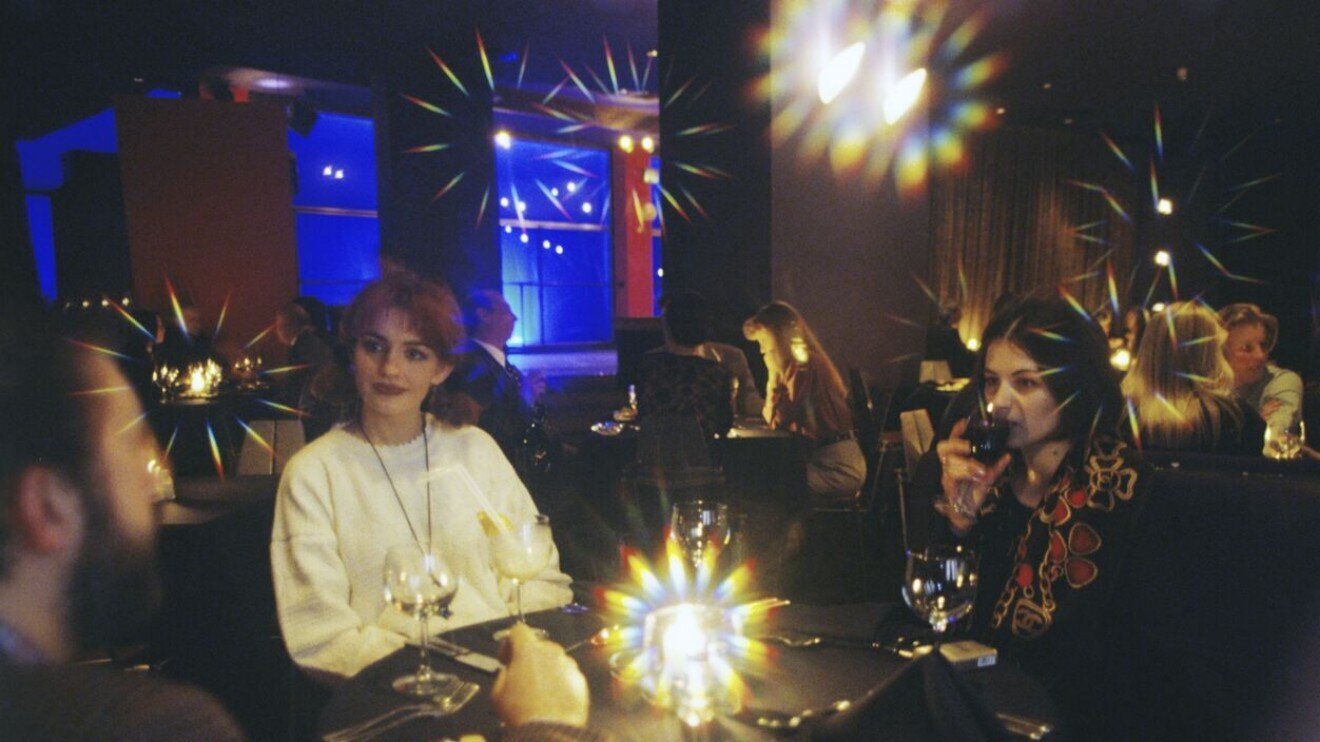
One of the most iconic nightclubs of the mid-1990s, located in the very heart of Moscow — next to Red Square, in the basement level of the Rossiya Hotel.
The Story of Its Opening
The club Manhattan Express opened on September 19, 1993, and immediately positioned itself as something fundamentally new for Moscow’s club scene. Its creators — the Russian export-import company Kontakt US International, in partnership with American managers William Regan and David Rabin, who also ran the major Manhattan club Club USA — set out to build an exact replica of a typical downtown New York nightclub.
The venue’s launch stretched across an entire week, an unusual marketing move for the time. As marketing manager Igor Stepanov explained, the club was «sizing up its future members, while Moscow was sizing up this little island of Manhattan next to Red Square.»
Concept and Atmosphere
The defining feature of Manhattan Express was its fundamentally different approach to nightlife entertainment. Unlike most Moscow clubs of the time, it had no casino and no gambling. The American concept held that the club shouldn’t entertain its guests, but should give them a place to socialize with each other.
The interior was done in muted, dark tones, deliberately understated — a sharp contrast to the lavishly decorated Moscow nightclubs of the early 1990s. The venue offered two main formats for socializing: at restaurant tables and on the dance floor, plus an in-between option — a bar with an «endless counter.» A separate micro-restaurant room was set aside for VIPs.
Hours and Atmosphere
The club operated from 6:00 p.m. to 4:00 a.m., and its character shifted dramatically over the course of the evening. Until midnight, it was a cozy restaurant with quiet music, but around midnight the tempo and volume ramped up sharply, turning the venue into a genuine dance club.
Special attention went to screening guests. Entry for non-members cost around $20 — a substantial sum for the time. But even having the cash didn’t guarantee getting in: the «man at the door» could turn someone away with the line «you don’t have the right style.» This employee combined the functions of security guard, doorman, and marketer.
Cultural Programming
The club strictly banned photography, filming, and video recording, which, by design, was meant to let guests focus on live conversation. There were deliberately no live concerts or stage shows, though the venue occasionally hosted showcases of American and Russian avant-garde fashion, framed not as entertainment but as an occasion for «intensified creative interaction.»
Its Place in Moscow’s Cultural Life
Manhattan Express firmly established itself as a meeting place for Moscow’s intellectual and business elite. The club became a symbol of an era when Moscow was actively absorbing Western club culture, adapting it to local realities. Being seen there was a marker of belonging to a particular social circle — people with high income and pretensions to sophistication.
Later, Manhattan Express hosted significant music events, including the electronic music festival «Britonika,» organized by Artemy Troitsky and Ivan Salmaksov, as well as producer Yevgeny Zhmakin’s weekly Monday parties. It was here, in 1997, that a much-remembered concert by the band Prodigy took place.
The club operated until the Rossiya Hotel was demolished in 2006, leaving a lasting mark on the history of Moscow nightlife as one of the first successful examples of adapting Western club culture to post-Soviet Russia.