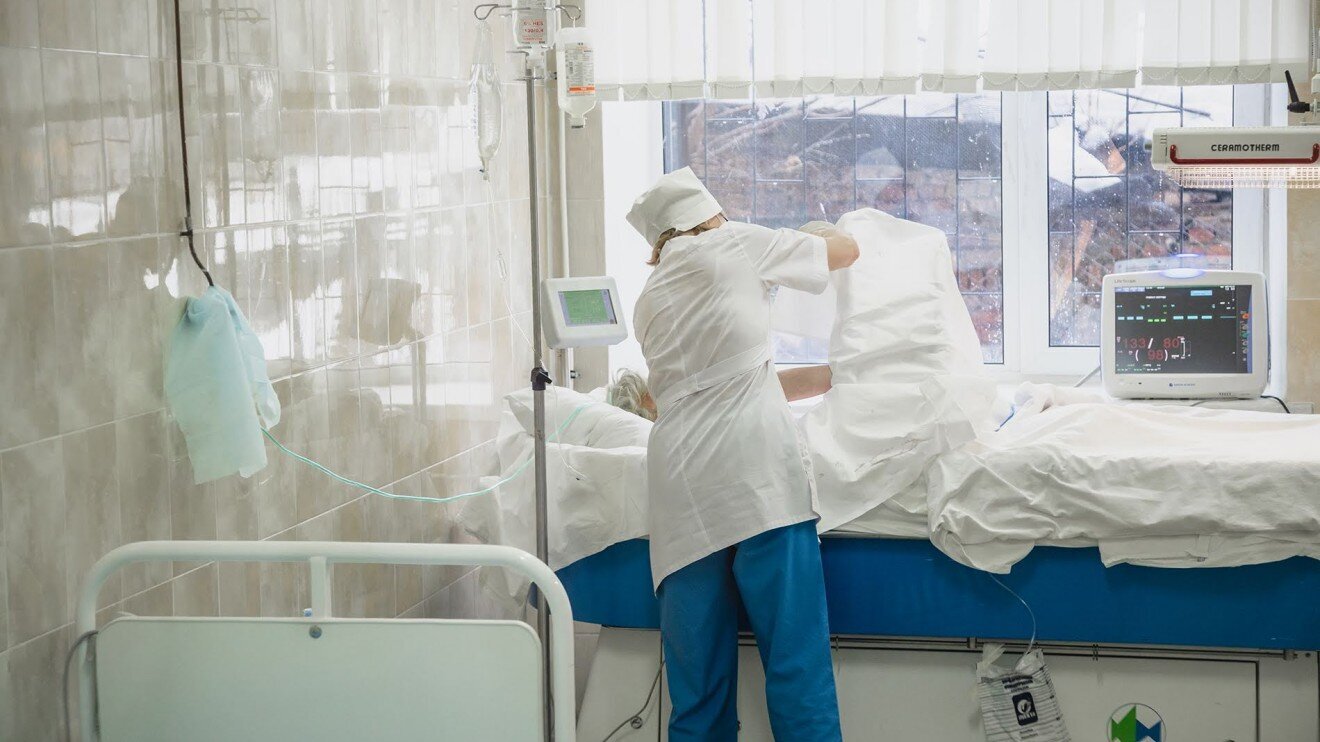
Combustiology (from the Latin combustio, «burning») is a specialized branch of medicine dealing with severe burn injuries and the pathological conditions that come with them.
What Combustiology Is
Combustiology is a narrow medical discipline concerned with diagnosing, treating, and rehabilitating patients with burns of varying severity. A combustiologist is a physician who has undergone additional training in burn treatment and commands specific therapeutic methods for such injuries.
Modern combustiology can save patients with burns covering 80–90% of the body’s surface — an achievement unthinkable just a few decades ago, made possible by advances in surgical technique, specialized equipment, and improved drug therapy.
Historical Development
Although burn injuries have accompanied civilization throughout its history, treatment before the 19th century amounted to little more than pain relief and various topical ointments. The first scientific study of burn treatment was published by Paul Amman in Leipzig in 1658.
A breakthrough came in 1869, when the Swiss surgeon Jacques-Louis Reverdin successfully grafted a small piece of a patient’s own skin onto a burn wound for the first time. That same year in Russia, S. Yanovich-Chainsky performed a similar operation and was the first to note the link between graft thickness and surgical success.
An important milestone came in 1939 with the invention of the dermatome, a special instrument allowing thinner and more extensive skin grafts to be harvested for transplantation. In 1946, the Soviet scientist M. V. Kolokoltsev developed a domestic version of the same tool.
Combustiology in the 1990s
In the period the novel describes (1994), combustiology in Russia was going through a difficult time. On the one hand, the Soviet school of burn medicine had serious achievements and expertise behind it. On the other, the economic hardships of the 1990s limited access to modern equipment and medication.
This was also when Russia accumulated substantial experience treating combat burns from military conflicts, including the Chechen wars. Military hospitals built up valuable expertise in treating severe burns combined with other injuries.
At the same time, promising research began into growing skin grafts from cell cultures, opening new possibilities for treating extensive burns.
The Work of a Burn Surgeon
Working as a combustiologist demands not only deep medical knowledge but particular personal qualities. A specialist must master techniques for assessing burn depth and area, surgical treatment methods, and the principles of intensive care for burn shock and infection prevention.
An effective burn unit requires qualified burn surgeons, expensive modern equipment, and specialized medication supplies. Equally important is anesthesiology and critical-care support, since severe burns are often accompanied by burn shock and other life-threatening conditions.