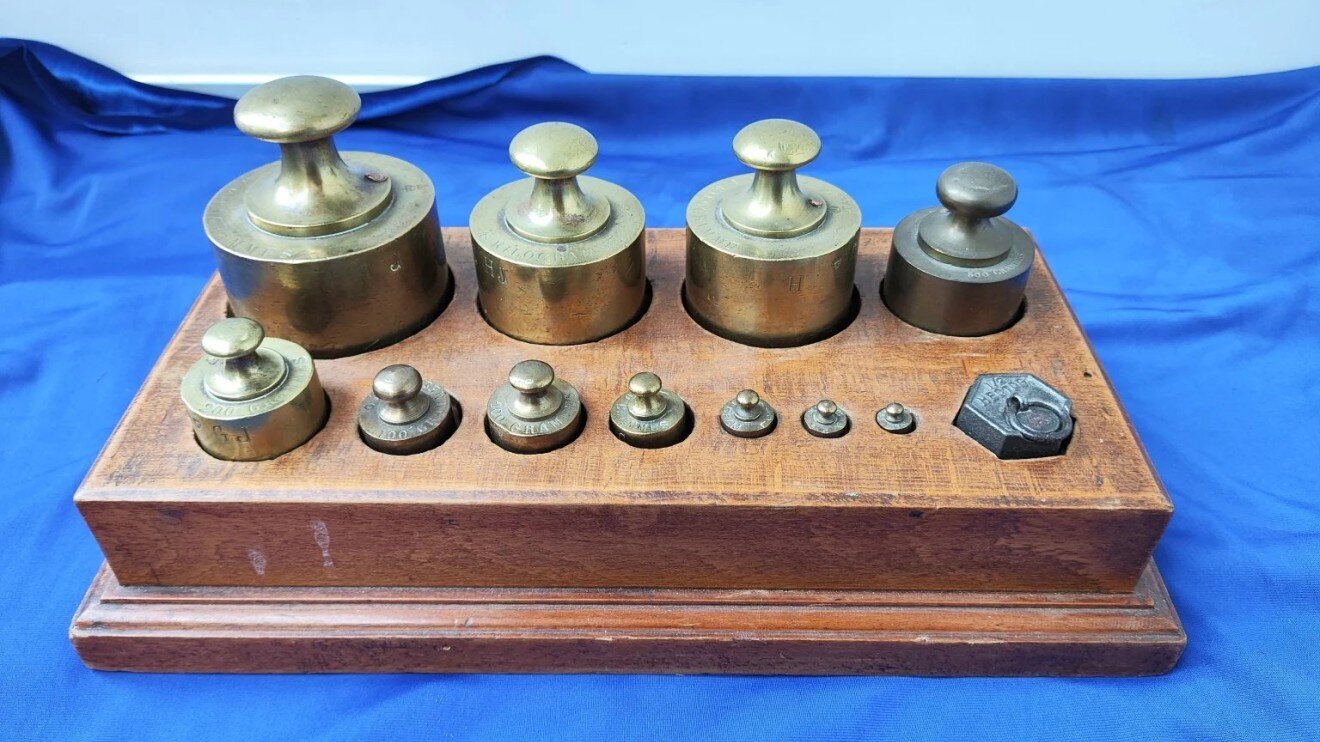
The grain is an old unit of mass (weight), once used in the apothecary and jewelry trades of many countries. The name comes from the Latin word «granum,» meaning «grain» or «seed,» since the measure was originally based on the weight of a single average-sized grain of wheat.
In Russia the grain was introduced by Peter the Great in the early eighteenth century as part of the apothecary weight system. One Russian apothecary grain equaled 62.2 milligrams. The grain's weight varied somewhat from country to country: in England and the US, one grain equaled 64.8 milligrams; in France, 53.1 milligrams.
The English idiom playing on the word here — «not one grain of understanding» — uses the word metaphorically, as the smallest possible unit of something, to underscore total incomprehension. It's a set phrase in which the grain stands in as the minimal possible measure, a symbol of «a vanishingly small amount.»
By 1993, the grain had long since fallen out of official use in Russia, replaced by the metric system, but it survives in a handful of idiomatic expressions, such as «not one grain of truth» or «not one grain of doubt,» as well as in the professional jargon of some specialists — old-school pharmacists, for instance, or antique collectors.