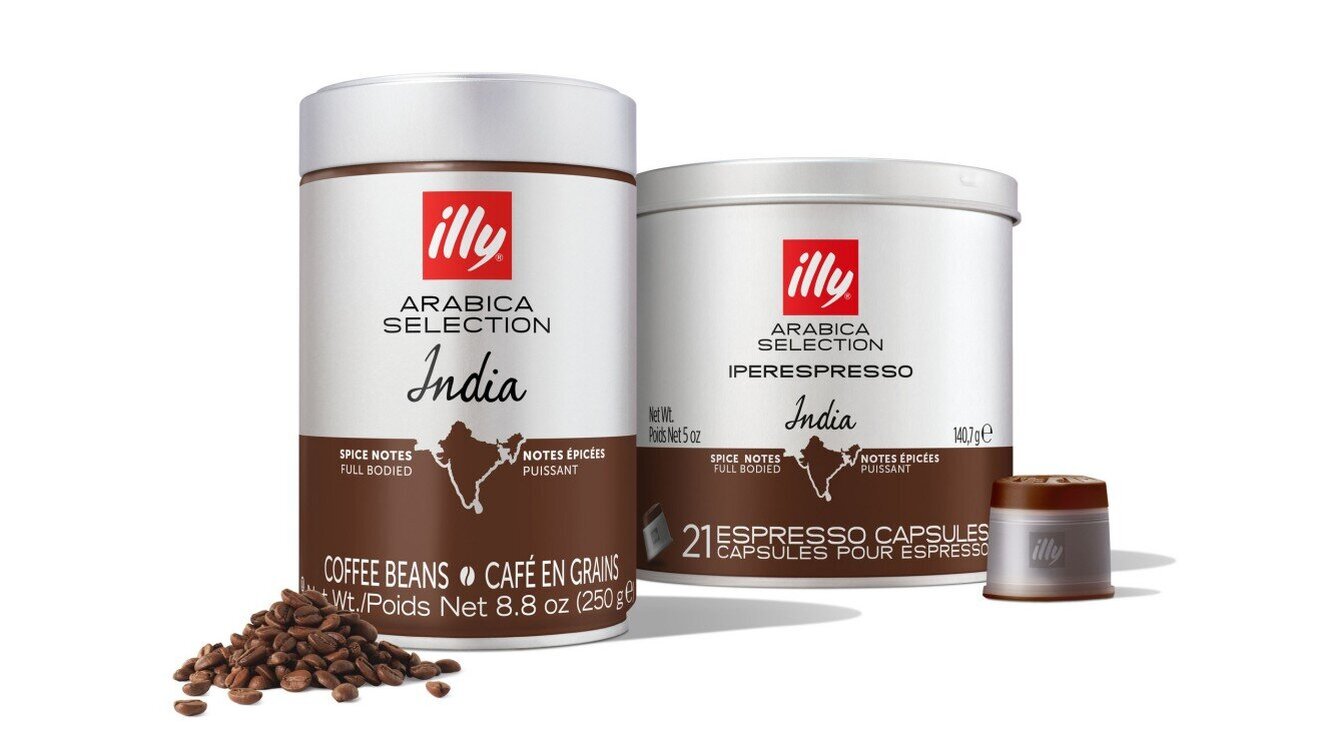
The mention of «Illy» coffee in the novel's text reflects an important cultural moment of the early 1990s, when Western goods became a symbol of status and unattainable luxury for most Russians.
What illycaffè is
illycaffè is an Italian company founded in 1933 in Trieste by Francesco Illy. By the early 1990s, it was already a recognized producer of premium coffee, known for its innovations in roasting and packaging. The company made exclusively 100% arabica blends — nine varieties of beans from South America, Central America, India, and Africa.
A key feature of illy coffee was a revolutionary inert-gas (nitrogen) pressurized packaging system, invented by the company's founder in 1934. This preserved the coffee's aroma for a long time, making the product especially prized.
Context of the era: Russia in 1993
In 1993, Russia was going through a period of deep economic reform. The country was only beginning to open up to Western goods, many of which were either unavailable or prohibitively expensive. Coffee as a drink hadn't yet become widespread in Russian culture — most people still preferred tea.
Western brands, especially Italian luxury goods, were seen as symbols of success and a connection to European culture. Owning such products signaled financial means and refined taste.
Symbolic meaning
The character's mention of Illy coffee, in the context of "a special slow-brewing method," reveals several important things:
- Social status: Access to imported premium coffee signaled membership in the emerging middle class or the "New Russians"
- Cultural pretensions: Knowing the "correct" way to prepare coffee signaled Europeanized tastes
- A ritual of consumption: The process of brewing coffee became almost a sacred rite, underscoring the moment's special quality
Historical accuracy
By 1993, Illycaffè was already beginning its international expansion, though its mass presence in Russia came later. Still, elite circles and the emerging business class already had access to such goods through various import channels.
Notably, the character emphasizes not just the coffee brand but the special way of preparing it. This reflects the consumer culture taking shape in those years, when what mattered wasn't just the product itself, but the ritual of using it — a display of awareness and refinement.