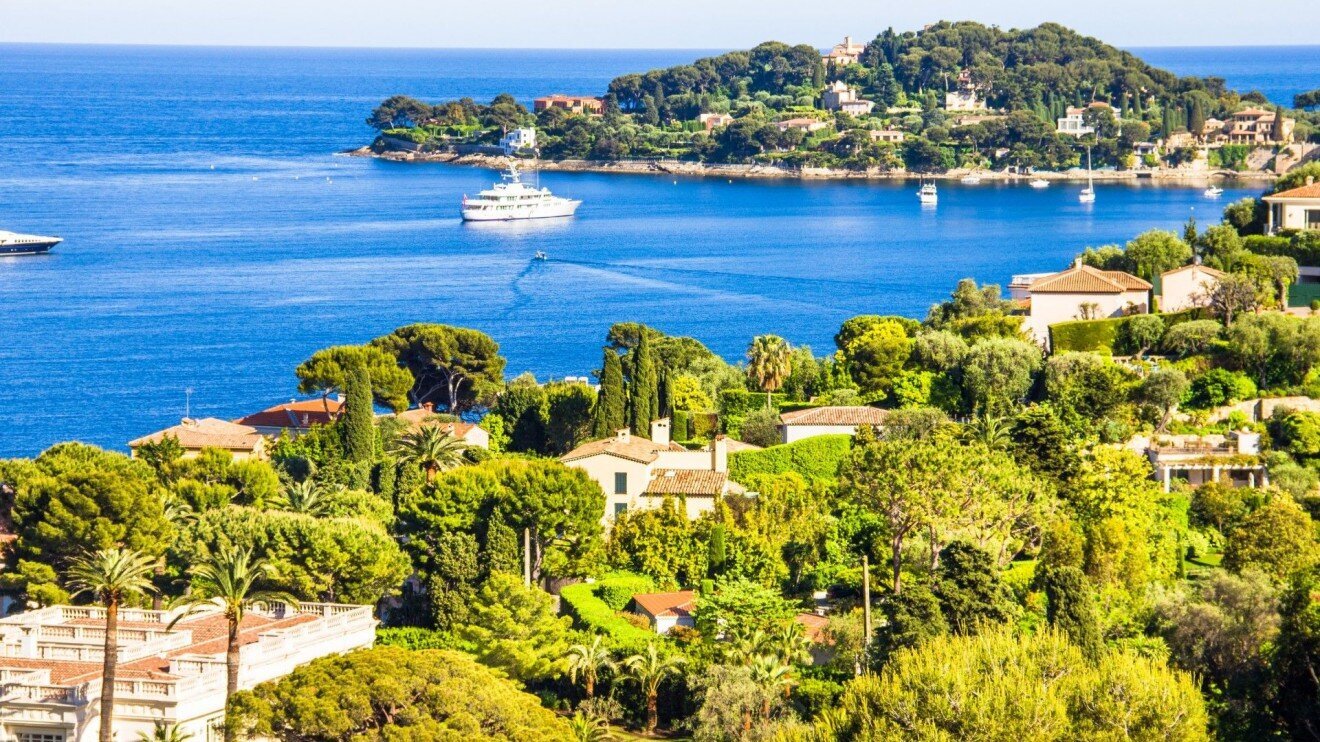
Geography and Climate of an Elite Enclave
Cap Ferrat is a small peninsula on the French Riviera, jutting into the Mediterranean like a jewel set into the coastline. This tiny sliver of land, just a few square kilometers in area, became one of the most coveted addresses for Russia’s new elite in the 1990s.
Climate Advantages
- Average winter temperature: 9°C
- Average summer temperature: 23°C
- Minimal summer rainfall
- Sheltered from the mistral by the surrounding hills
Accessibility
- 30 km from Nice airport
- Rail access via Villefranche
- A private marina with 560 berths
- Helicopter landing pads
Historical Legacy and Aristocratic Tradition
By the mid-1990s, Cap Ferrat already had more than a century of history as a retreat for European aristocracy and the grand bourgeoisie. The peninsula owed its reputation to Belgium’s King Leopold II, who acquired extensive holdings here in the early 20th century and built several villas, including the famous Villa des Cèdres.
"Cap Ferrat is a place where money whispers, not shouts. Status here is displayed through refined restraint, not conspicuous excess."
In 1905, Baroness Béatrice de Rothschild chose this spot to build her Tuscan-style palazzo, now known as the Villa Ephrussi de Rothschild. This pink palace, with its seven themed gardens, became the model for how a Riviera residence ought to be arranged.
Cap Ferrat in the Age of the Nouveau Riche: The 1990s
Why Cap Ferrat Specifically?
For the new Russian millionaires of the 1990s, choosing this particular spot was far from arbitrary. Cap Ferrat offered a unique combination of factors critical to the emerging post-Soviet elite:
Prestige and Status
The site’s historic reputation as a retreat for royalty and aristocracy automatically conferred matching status on property owners.
Privacy
The peninsula’s closed-off character, limited number of residences, and strict access control provided the necessary confidentiality.
Legal Stability
French jurisdiction guaranteed protection of property rights and stability for real-estate investment.
The Cultural Code of the French Riviera
Unlike more accessible resorts such as Cannes or Saint-Tropez, where new money could easily "buy" a place in society, Cap Ferrat demanded a more delicate touch. Unwritten rules of the old European elite applied here:
- Discretion over display: Luxury was meant to be refined, not loud
- Cultural literacy: Knowledge of art and history, and the ability to hold up your end of a conversation, were valued
- Family tradition: Preference went to those who treated a purchase as a long-term, multigenerational investment
- Respect for neighbors: An understanding that your freedom ends where your neighbor’s begins
Real Estate and Prices in the Mid-1990s
The Cap Ferrat real-estate market in 1997 had a few defining features. First, extremely limited supply: the entire peninsula held no more than 50–60 significant villas, and only a handful ever came to market. Second, most deals happened through closed channels, often via personal connections and referrals.
A Typical 1990s Luxury Villa
Lot size: 3,000–8,000 m²
Living space: 800–1,500 m²
Bedrooms: 6–12
Staff: separate quarters
Pool: a given
Dock: preferred
Price: $3–15 million
Additional Costs
Taxes: €50,000–200,000/year
Maintenance: €200,000–500,000/year
Staff: €100,000–300,000/year
Security: €50,000–150,000/year
Insurance: €30,000–100,000/year
Repairs/renovation: €100,000–1,000,000/year
Total: €530,000–2,250,000/year
The Social Ecosystem and Lifestyle
Life on Cap Ferrat in the 1990s followed a distinct rhythm and set of traditions. The season officially ran from May through October, though many owners visited in winter too, escaping the harsh climate back home.
Social Life and Entertainment
A Typical Day for a Nouveau-Riche Resident of Cap Ferrat
Morning: Breakfast on the terrace overlooking the sea, reading the international press
Midday: A swim in the pool or on the yacht, business calls
Lunch: At a restaurant in Beaulieu or at home with guests
Afternoon: Golf, tennis, or a boat trip
Evening: Cocktails on the terrace, dinner with a select circle
Night: The casino in Monaco (15 minutes by car)
Yachts held a special place in the social life of the peninsula. The Cap Ferrat marina, with its 560 berths, was packed with luxury vessels during the season. A yacht under 30 meters was considered modest by local standards. Many of the new Russian owners preferred to dock in neighboring Monaco, keeping only small pleasure boats on Cap Ferrat itself for everyday use.
Staff and Household Help
Maintaining a villa on Cap Ferrat required a substantial staff. A typical nouveau-riche household included:
Indoor Staff
- • House manager
- • Chef (often French)
- • Housekeepers (2–3)
- • Valet/personal assistant
- • Nanny/governess
Outdoor Staff
- • Gardeners (2–4)
- • Security guards (round the clock)
- • Driver
- • Yacht/boat captain
- • Pool technician
Specialists
- • Personal trainer
- • Massage therapist
- • Stylist/hairdresser
- • Concierge service
- • Personal physician
Cultural Norms and Etiquette
Successful integration into Cap Ferrat society required new owners to absorb certain cultural codes. The French Riviera had its own unwritten rules, and breaking them could lead to social exile.
Cap Ferrat Etiquette
- Noise and music: No loud sound of any kind after 10 p.m.
- Helicopters: Landings permitted only during set hours
- Construction: All work must be cleared with neighbors
- Dress: Elegance is preferred even on the beach
- Guests: Large gatherings require advance notice
Understanding the distinction between "old" and "new" money was especially important. Members of the European aristocracy and old bourgeoisie, who’d owned property on the peninsula for decades, initially regarded their new Russian neighbors with some skepticism. But those nouveau-riche owners who showed respect for local traditions and invested in the region’s cultural life gradually earned acceptance.
Investment Appeal
By the mid-1990s, Cap Ferrat was already showing signs of becoming one of the most expensive places to live in the world. Several factors made local real estate an especially attractive investment:
Investment Advantages
- Steady price growth of 8–12% a year
- Legal protection under French jurisdiction
- Limited supply of new properties
- Growing demand from the international elite
- Rental income potential in high season
Risks and Constraints
- High property taxes
- Costly upkeep
- Lengthy purchase procedures
- Strict building restrictions
- Difficulty reselling
Famous Neighbors and Networking
One of the chief advantages of living on Cap Ferrat was proximity to influential people from around the world. Among the peninsula’s permanent and part-time residents in the mid-1990s, one could find:
Figures From the Arts
- • Andrew Lloyd Webber (composer)
- • Hollywood directors and producers
- • Art collectors
- • World-class musicians
The Business Elite
- • Heirs to industrial fortunes
- • Financial magnates
- • Media owners
- • Executives of multinational corporations
For nouveau-riche newcomers seeking international recognition and broader business ties, such neighbors opened unique doors. Informal encounters on the tennis court, shared dinners, or a day out on a yacht often led to multimillion-dollar deals or influential alliances.
The Practical Side of Ownership
Buying Property
Buying property on Cap Ferrat in the 1990s was a complicated process requiring a professional approach. Most deals went through specialized agencies holding exclusive agreements with owners:
- Finding a property — through closed channels and personal referrals
- Preliminary vetting — of the buyer’s finances
- Inspection and appraisal — with architects and assessors
- Negotiation — through intermediaries, sometimes lasting months
- Legal due diligence — checking documents and encumbrances
- Closing — before a notary, with all parties present
Property Management
Effectively managing a villa on Cap Ferrat required a professional approach. Most owners hired management companies specializing in prime Riviera real estate, which offered a full range of services:
Technical Maintenance
Regular servicing of every system in the villa — air conditioning, heating, plumbing, electrical. Particular attention went to security systems and keeping pools in perfect condition.
Grounds and Gardens
Care of gardens, lawns, and flower beds. Many villas featured unique landscape designs requiring specialized knowledge and skill to maintain.
Concierge Services
Organizing events, booking restaurants, coordinating with service providers