In the criminal underworld, the term «air» carried several fixed meanings, significantly different from its everyday sense.
Main meanings
First and foremost, «air» meant money — especially large sums of cash obtained illegally. The phrase "to live well in a pad, you need air" points directly to the need for financial backing to support a lavish lifestyle.
Second, the term «air» referred to a goods-less transaction — economic fraud in which money was transferred for a nonexistent product or service. Such schemes were especially widespread during the economic instability of the early 1990s, when oversight mechanisms in the financial sector were practically nonexistent.
Derived expressions
- "To sniff the air" — to scope out the situation, gather information. In a criminal context, this meant preliminary reconnaissance of a target before committing a crime.
- "Airs" (plural) — a large quantity of goods or valuables.
- "Air man" — a pickpocket specializing in working markets and other crowded places.
Context of use in the 1990s
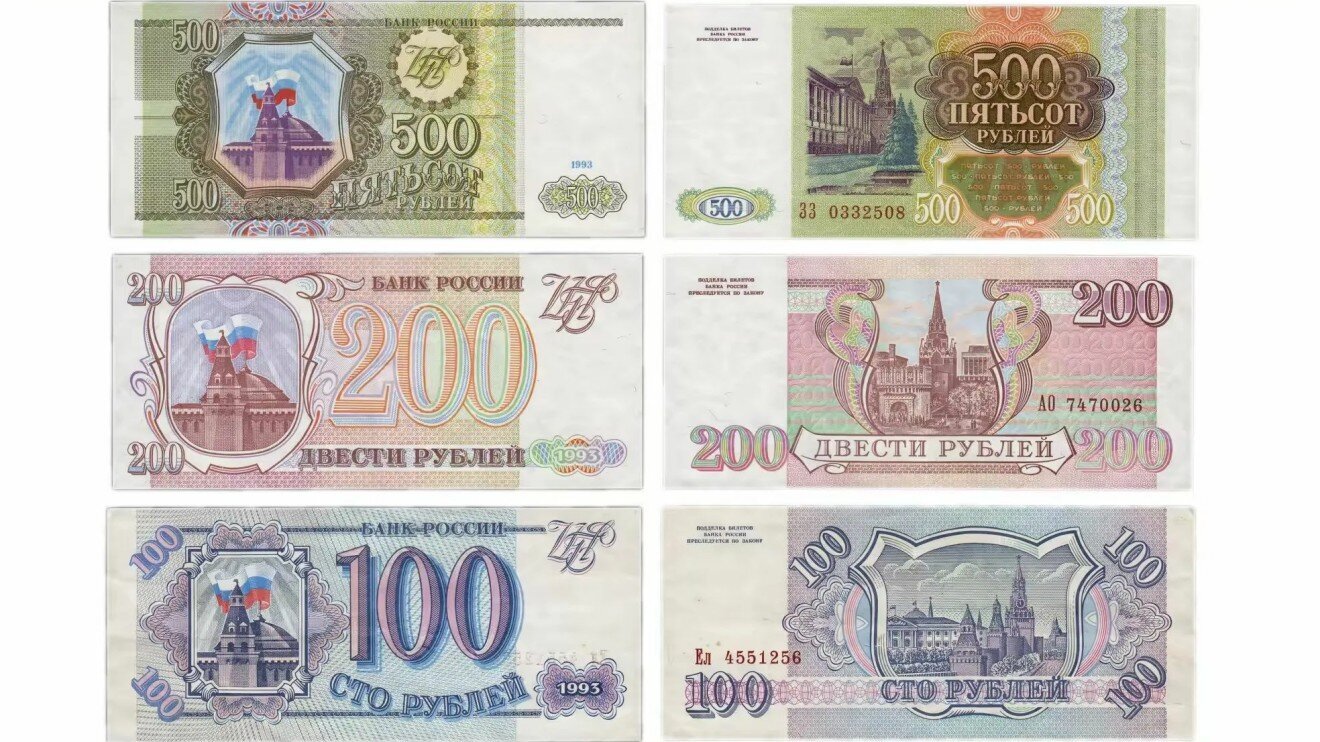
In the period following the collapse of the USSR, «air» as a term for money took on special significance. Amid hyperinflation, when the ruble was rapidly losing value and most of the population lived below the poverty line, access to hard currency ("air") became a defining factor of social standing.
In the criminal groups of the early 1990s, the phrase "demands air" often meant a demand for a cut of criminal proceeds. The phrase "our business doesn't concern him, he wants air, women, and quiet" points to a desire to stay separate from the group's main activities while retaining financial privileges.
Etymology
The term's origin is linked to a metaphorical transfer: just as air is necessary for life, money becomes a necessity of life. There's also an element of irony: money, especially "unearned" money, can appear and vanish "like air" — suddenly and without a trace.
The term is documented in the criminal underworld from Soviet times, but its peak popularity came precisely in the 1990s, when criminal slang made deep inroads into the everyday speech of broad segments of the population.