The word «master» is polysemous, carrying different shades of meaning in Russian and in English.
Meanings in Russian
In Russian, master («мастер») most commonly means a person who has achieved great skill in their craft, who brings ingenuity and creativity to their work, who makes things that are unusual and original, and who knows their trade superbly — equivalent to «maestro» or a French-style «maître.»
Master also denotes a mentor guiding an apprentice in a particular trade; a full member of a medieval guild; the foreman running a shop floor; a skilled tradesman (commonly in service industries, such as a TV repairman); a degree of initiation in Freemasonry; a qualification rank in sport («Master of Sport»); and, in many professions, a rank above «first-class specialist,» widely used in the Soviet armed forces, as well as a corresponding breast insignia.
The word also names the leader of a role-playing game, and a design pattern in software interfaces, where a task is broken into several steps navigated with «Next» and «Back» buttons (a «setup wizard»).
Specific Nautical Meanings
Master (from Latin magister navis), in the British sailing navy, referred to a warrant officer responsible for everything on a ship concerning seamanship: navigation, sailing in convoy, pilotage, sail handling, anchoring and weighing anchor, and so on. In the modern international merchant fleet, the term denotes the captain of a merchant vessel.
Meanings Specific to English
In English, the word «master» carries a number of meanings that are absent from, or rarely used in, Russian:
Master — a form of address for a boy or young man in 19th-century England.
Master (college) — the head of a college.
Master’s degree — an academic degree.
Schoolmaster — a headmaster or senior teacher at a school.
Master (naval) — a former naval rank.
Master mariner — a licensed sailor, qualified to captain a merchant ship.
Master-at-arms — a naval police officer.
Master craftsman — a master tradesman in medieval guilds.
Master (judiciary) — a court official in common-law jurisdictions.
Master (Peerage of Scotland) — the male heir to a title within the Scottish peerage.
Master of ceremonies — the host of a formal event.
Maestro — an orchestra conductor, or a master of a musical discipline.
Old Master — a recognized Western artist working before 1800.
Station master — the person in charge of a railway station.
A Crucial Distinction: «Owner of Slaves»
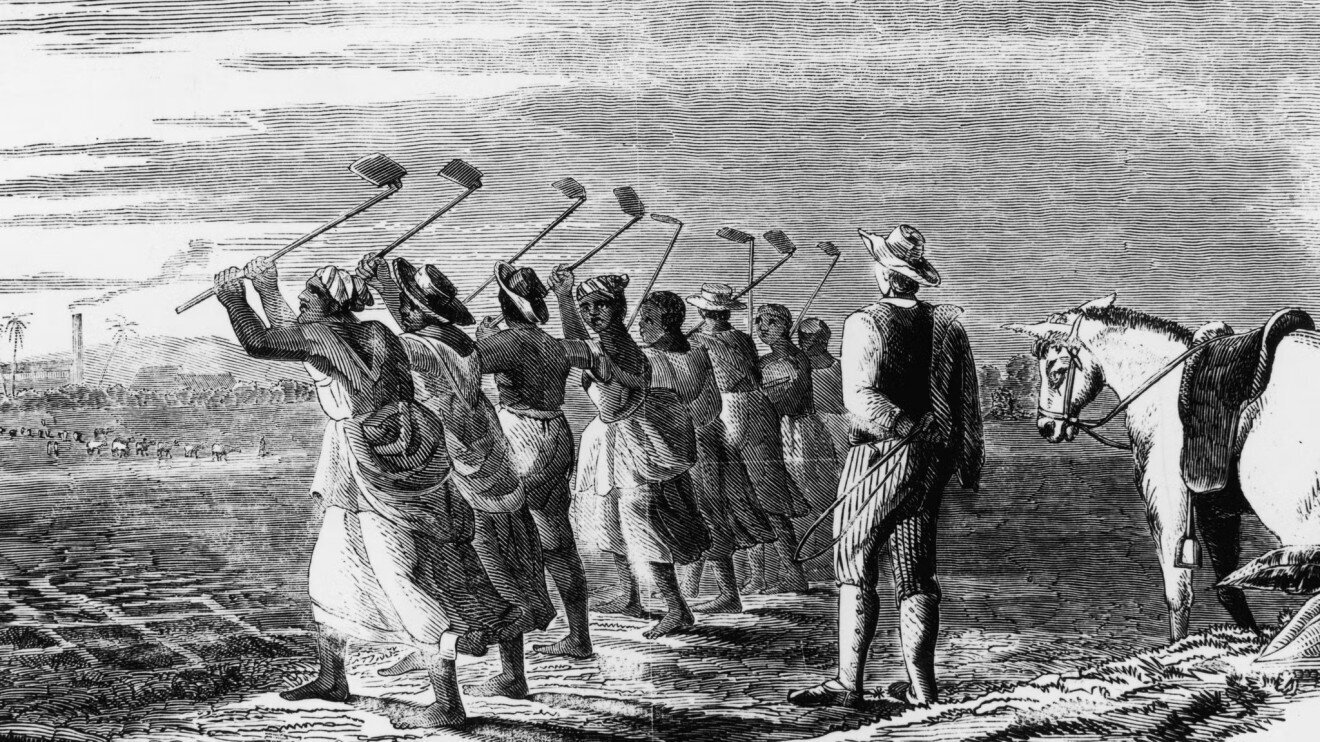
Slave master — the owner of enslaved people. This meaning is almost exclusively an English one, tied historically to the era of chattel slavery. The Russian word «мастер» carries no such connotation, marking a significant semantic gap between the two languages. The English «master» carries an undertone of power and dominance over other people that’s absent, or far weaker, in the Russian word.
This distinction matters especially in translation and interpretation, since the English «master» can imply a relationship of domination and subjugation, while the Russian «мастер» more often evokes professional skill and competence.