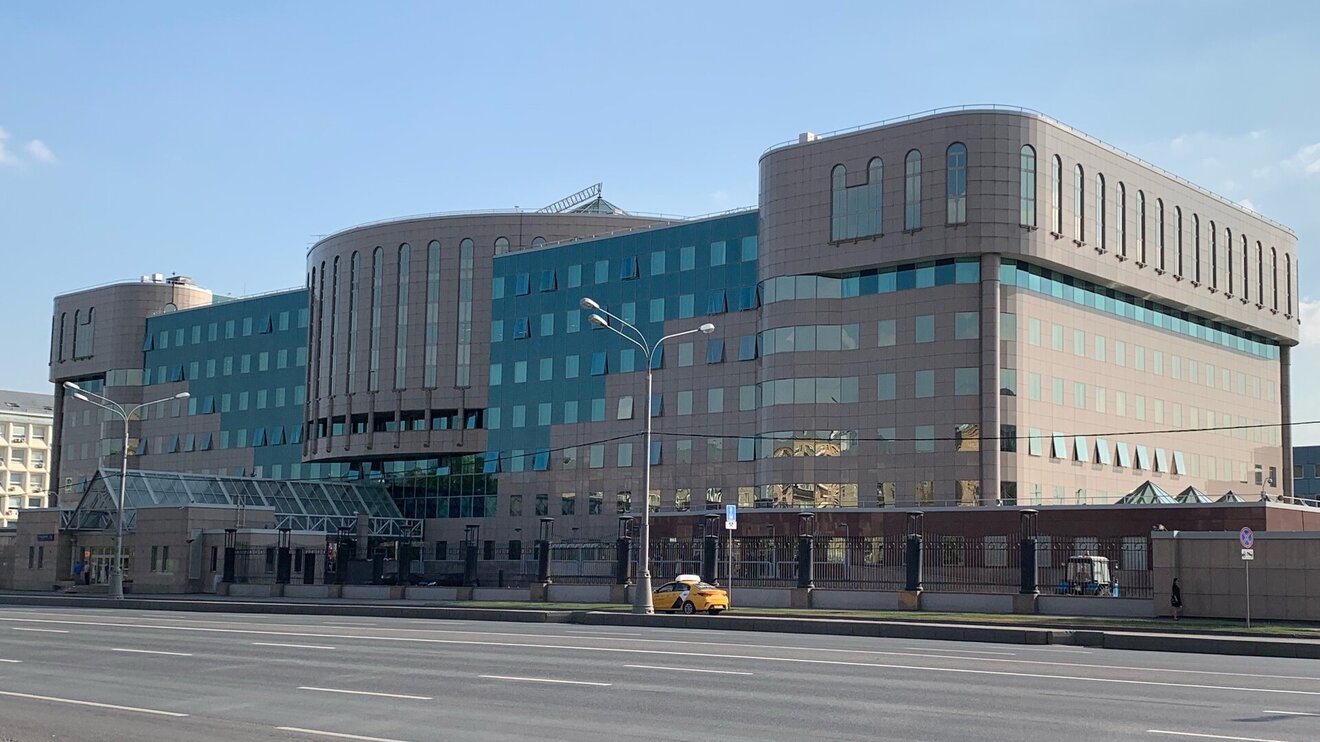
Status: A structural unit of the Bank of Russia
Functions: Settlement and cash operations
Active since: 1998
Location: Tushino, Moscow
A short history of the Tushino district
Tushino is a historic district in northwest Moscow, first mentioned as a village in documents from 1512. By 1998 it had already gone through a long transformation: it held city status starting in 1938, and from August 1960 it was absorbed into Moscow as one of its districts.
The administrative division of Tushino in 1998
By the time the novel is set, historic Tushino had been split into several administrative units, including districts later renamed Pokrovskoye-Streshnevo, South Tushino, and North Tushino. The boundaries of the historic district didn’t match today’s administrative ones, but included the historic localities of Zakharkovo, Petrovo, Bratsevo, Alyoshkino, Ivankovo, Pokrovskoye-Streshnevo, and Spas.
What an RKTs was: structure and purpose
A Settlement and Cash Center (RKTs) of the Bank of Russia was a structural unit of the Central Bank’s territorial branch, specializing in financial transactions. In 1998, at the time the novel is set, this particular center had not yet opened.
Building Russia’s RKTs network
The system of settlement and cash centers was built between 1991 and 1992, as part of a sweeping reform of Russia’s banking system. After the USSR’s collapse and the liquidation of the State Bank of the USSR, there was an urgent need to build a new payments infrastructure.
«Over 1991–1992, under the Central Bank’s direction, a broad network of commercial banks was built across Russia out of the branches of the old specialized state banks. The account system was also overhauled, and the Bank of Russia’s settlement and cash centers (RKTs) were established.»
By 1998, more than a thousand RKTs operated across the country, each with its own unique code number, needed to identify and route payments within the still-forming banking system.
The functions and powers of an RKTs in 1998
Core operational functions
- Carrying out settlement and cash transactions between banks
- Holding cash and other valuables
- Maintaining correspondent accounts for credit institutions
- Processing payment transactions
- Cash servicing for banks and organizations
Oversight and supervisory functions
- Monitoring completed transactions and cash operations
- Analyzing financial institutions’ reporting
- Setting mandatory cash-balance requirements
- Monitoring credit institutions’ reserves
- Auditing compliance with calculation methodologies
Serving government bodies
RKTs centers were especially important for serving government bodies and local self-government. In 1998, as Russia’s new system of public finance was still taking shape, RKTs performed:
- Settlement and cash transactions for government bodies – handling the financial operations of various state structures
- Coordination with the Federal Treasury – servicing treasury accounts
- Preparing money-issuance forecasts for the coming period – planning the money supply in circulation
RKTs Tushino: distinctive features and significance
The settlement and cash center in Tushino occupied a distinct place in Moscow’s 1998 banking infrastructure. Located in a rapidly developing district of northwest Moscow, it served a substantial number of financial institutions and government bodies.
Location and logistical advantages
Choosing Tushino for one of Moscow’s key RKTs came down to several factors:
Transport access
A convenient location relative to Moscow’s main transport arteries, ensuring quick delivery of documents and valuables
Developed infrastructure
The necessary infrastructure to house banking units and keep them secure
Strategic location
The ability to serve financial institutions in both Moscow and the surrounding region
Client base and organizations served
In 1998, RKTs Tushino served a broad range of clients, reflecting the diversity of Russia’s newly forming economy:
Credit institutions
Every bank licensed by the Central Bank of Russia was required to open a correspondent account at one of the regional RKTs. Many banks in and around Moscow chose RKTs Tushino for their correspondent accounts, which gave them:
- Interbank settlement processing
- Cash servicing
- Monitoring of compliance with mandatory reserve requirements
- Daily statements on fund movements
Government and municipal organizations
Government bodies held a special place in RKTs Tushino’s client base. The novel’s mention of «the guys from the Ministry of Finance» accurately reflects the realities of the time – staff at the Finance Ministry and its subordinate organizations regularly dealt with RKTs centers on matters such as:
Typical government transactions handled through an RKTs
- Receiving funds from federal and local budgets
- Remitting taxes and fees
- Financing government programs
- Settling accounts with contractors and suppliers
- Paying wages to public-sector employees
Document flow and procedures at an RKTs in 1998
Operations at RKTs Tushino, like at other settlement and cash centers of the time, were tightly regulated and required strict adherence to a range of security and oversight procedures.
The document-flow system
In 1998, electronic document flow had not yet become widespread, so most transactions were still accompanied by paper documents:
| Document type | Purpose | Frequency |
|---|---|---|
| Payment orders | The primary document for wire transfers | As they came in |
| Account statements | Informing clients about fund movements | Daily |
| Cash documents | Recording cash transactions | Per transaction |
| Reserve reports | Monitoring mandatory reserve requirements | Periodic |
Operating hours and procedures
RKTs Tushino, like other centers in the Bank of Russia system, operated under a strict set of regulations:
The business day
An RKTs’ business day began with receiving and processing documents that had come in the previous day. All transactions had to be completed by a set time to ensure timely reporting.
Security procedures
Special attention went to protecting documentation and information from unauthorized use. All staff went through a formal clearance process before working with confidential information.
Serving industrial enterprises
Industrial enterprises made up a substantial share of the client base of banks served by RKTs Tushino. Their particular needs included:
The RKTs’ technological infrastructure in 1998
RKTs Tushino’s technological setup matched the standards of the late 1990s, combining traditional document-processing methods with early attempts at computerization.
Data-processing systems
Main components of the technological infrastructure
- Mainframes – central computers for processing large volumes of data
- Terminals – operator workstations for entering and processing information
- Communication systems – telephone and telegraph lines linking to other RKTs and banks
- Security systems – physical and software safeguards for information
Payment-processing procedures
Processing payment documents at RKTs Tushino involved several stages:
- Receiving and initially processing documents
- Verifying they were correctly filled out and that funds were available
- Entering the data into the computer system
- Processing transactions on client accounts
- Generating reports and statements
- Archiving documents
Staffing and the nature of the work
Working at RKTs Tushino demanded highly qualified staff and strict adherence to security procedures. The center’s workforce drew on specialists across several fields:
Operations staff
Specialists in processing payment documents and maintaining client accounts
Cashiers
Staff handling cash transactions
Controllers
Specialists checking that transactions and procedures were handled correctly
Professional requirements
RKTs staff were expected to have:
- A higher or specialized secondary education in economics or finance
- Experience in banking
- Knowledge of Bank of Russia regulations
- Skills with banking software
- The ability to work under high levels of responsibility
Impact on the development of Moscow’s banking system
RKTs Tushino’s work helped to:
Key contributions
- Ensure payments-system stability during a period of economic reform
- Build a reliable infrastructure for interbank settlement
- Support the growth of the private banking sector
- Handle the financial transactions of government bodies
- Introduce modern banking technology
Coordination with other RKTs centers
RKTs Tushino was part of the Bank of Russia’s unified settlement network and worked closely with other centers, both in Moscow and elsewhere in the country. This coordination enabled:
Interregional payment processing, coordination of monetary policy across the country, the exchange of information on fund movements, and the creation of a unified information space for the Russian banking system.
The legal framework
RKTs Tushino’s operations in 1998 were governed by a body of regulations adopted during the formative years of Russia’s new banking system:
| Document | Main provisions |
|---|---|
| The RSFSR Law «On the Central Bank of the RSFSR (Bank of Russia)» | Established the status and powers of the Central Bank, including the creation of RKTs centers |
| Bank of Russia regulations on cash-transaction procedures | Governed procedures for handling cash |
| Interbank-settlement instructions | Set out the procedure for processing payments between banks |
| Mandatory-reserve requirements | Set the size and depositing procedure for mandatory reserves |
Social significance and public perception
In the context of the novel, the mention of RKTs Tushino reflects not just the technical side of banking operations but the social atmosphere of the era. For many people encountering a market economy for the first time, an RKTs was a symbol of the new financial system.
A changing banking culture
1998 was a turning point in the formation of Russia’s new banking culture. RKTs Tushino, like other centers, contributed to:
Professional changes
- • The emergence of new banking professions
- • The adoption of international standards
- • The development of corporate ethics
- • Higher staff qualifications
Social changes
- • Growing trust in the banking system
- • The spread of non-cash payments
- • The growth of entrepreneurship
- • The modernization of economic relations
Conclusion: RKTs Tushino in its era
The mention of RKTs Tushino in a novel set in 1998 accurately reflects the realities of the time. The settlement and cash center in Tushino was an important piece of Russia’s forming banking infrastructure, linking together the various participants in the financial market – from large industrial enterprises to government bodies.
For today’s reader, it’s worth understanding that in 1998 Russia’s banking system was in the middle of sweeping change. RKTs centers like the one in Tushino didn’t just process payments – they laid the groundwork for a functioning market economy, provided stability during a period of economic reform, and helped integrate Russia into the global financial system.
The novel’s hero recalling «signing off on payments to all sorts of dives tagged RKTs Tushino» captures the mood of a time when banking operations now taken for granted still felt new, and not entirely…