"Paint It Black" is a song by the British rock band The Rolling Stones, released in 1966. It became one of the band’s biggest hits, reaching number one on the charts in both the US and the UK.
The song is known for its dark, unsettling mood and its use of the sitar — an Indian stringed instrument unusual for Western rock music of the time. This reflected the growing influence of Eastern music on Western rock in the 1960s. Brian Jones, one of the band’s founders, mastered the exotic instrument, giving the song its unique sound.
The lyrics describe deep depression following the loss of a loved one. The narrator wants to "paint it all black," a symbol of his mourning and despair. The song became one of the earliest examples of psychedelic rock and influenced the genre’s later development.
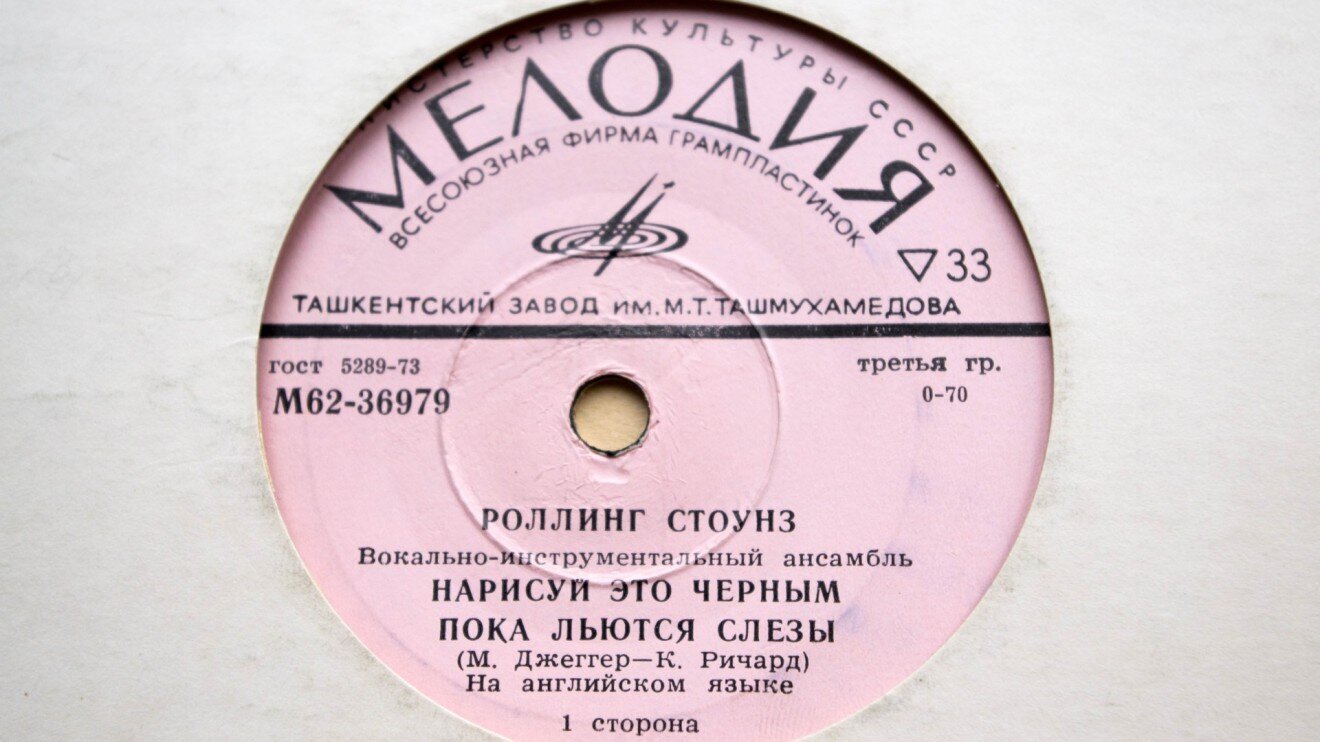
In the USSR, "Paint It Black" acquired a special status after the state record label "Melodiya" officially released a small vinyl single of the song in the late 1960s. This was one of the rare instances of Western rock music receiving an official release in the Soviet Union. The Melodiya single included "Paint It Black" along with a few other Rolling Stones tracks, making the song legally accessible to Soviet listeners.
Thanks to that official release, as well as broadcasts from foreign radio stations, "Paint It Black" became widely known in the USSR. Its melancholy atmosphere and recognizable melody made it one of the most popular Rolling Stones songs in the Soviet Union, even among those who understood no English at all.
The song had a significant influence on Soviet rock culture and remains a cult favorite among classic rock fans to this day. It was later used in various films and television series, including Stanley Kubrick’s famous "Full Metal Jacket," which helped its popularity endure among new generations of listeners.