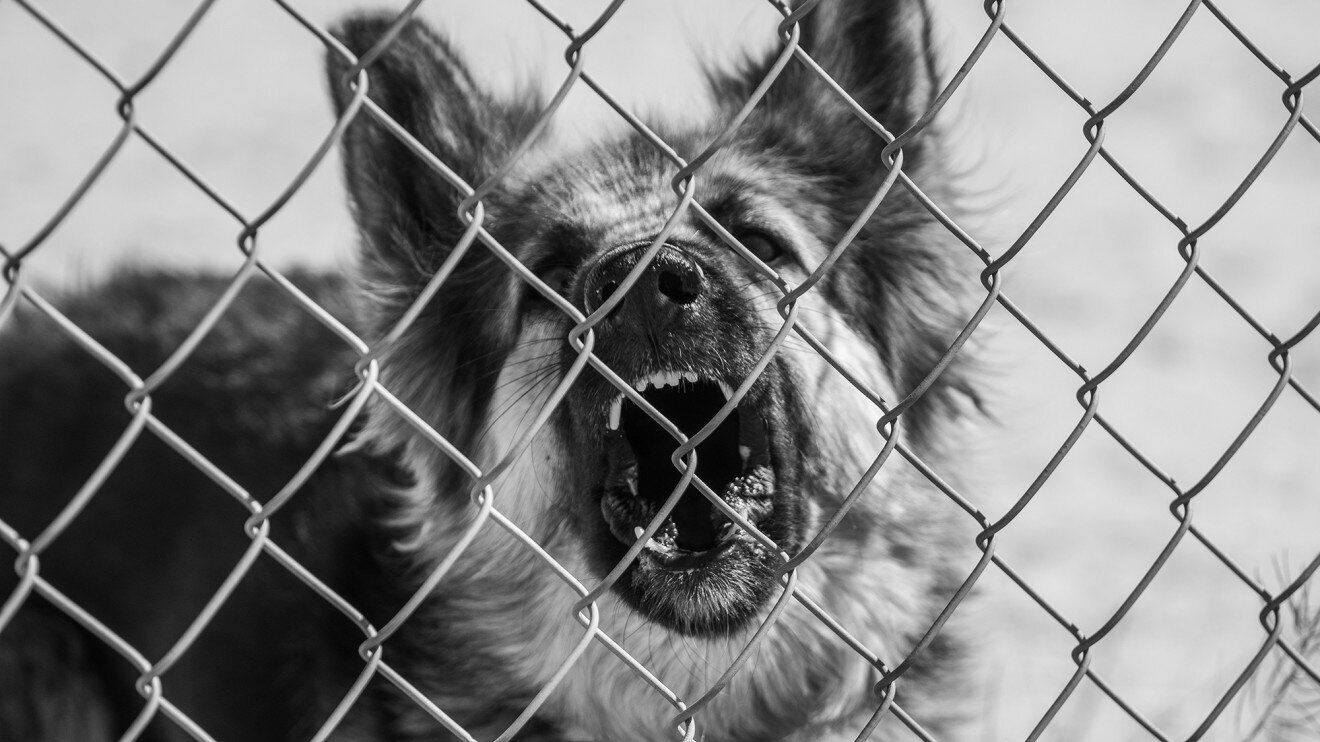
The image of a “chained dog in a mother-in-law’s yard” in Russian culture combines two powerful symbols: traditional village security and the peculiar relationship between a son-in-law and his wife’s family. This metaphor, embodied in a folk chastushka, reflects deep layers of Russian everyday life and mentality.
The Chastushka as a Mirror of Popular Relations
The Russian chastushka “I never pass my mother-in-law’s house without a joke” is a vivid example of folk creativity that blends everyday reality with social satire. The chastushka as a genre arose in the mid-19th century and became a way of expressing popular sentiment, often concerning family and romantic relationships.
This particular chastushka reflects the traditional tension between a son-in-law and his mother-in-law — a phenomenon typical of the patriarchal structure of the Russian family. In the popular mind, the mother-in-law often appeared as a strict keeper of family tradition and a monitor of the son-in-law’s behavior. The son-in-law’s response, in the form of mischief and even indecency, was a way of releasing psychological tension and asserting a masculine principle.
The Chained Dog as an Element of Village Security
A chained dog in the yard was an integral part of Russian village life for centuries. This tradition reaches back into deep antiquity — even the Romans used mosaics depicting dogs to warn that a house was guarded.
In the Russian village, a chained dog served several functions:
- A security function — warning of approaching strangers
- A psychological effect — intimidating potential intruders
- A social function — demonstrating the owner’s status
- A practical function — protecting property and livestock
Features of Keeping Chained Dogs
The traditional system of keeping guard dogs on a chain had its own particulars. The dog was usually tied up in the yard in such a way that it could cover the maximum territory but couldn’t reach passersby. The length of the chain was calculated so the dog could reach the gate but not run out onto the road.
The chain was fastened to a sturdy post or a ring driven into the ground. The doghouse was set up in the center of the territory the dog was meant to guard. This let the animal have shelter while also being able to watch the entire area under its control.
Dog Breeds in the Russian Watchdog Tradition
Large, hardy breeds capable of enduring harsh climate conditions were traditionally used for guarding in Russian villages:
The Central Asian Shepherd Dog (Alabai)
One of the most ancient breeds, which reached Russia via trade routes. Alabais were noted for exceptional loyalty to their owner and a strong territorial instinct. These dogs could make decisions on their own and didn’t need constant human oversight.
The Caucasian Shepherd Dog
A breed developed in the mountainous regions of the Caucasus, excellently adapted to a variety of climate conditions. Caucasian shepherds had a powerful build and a thick coat, making them ideal for year-round outdoor keeping.
The Moscow Watchdog
A relatively young breed, developed in Soviet times specifically for guard duty. It combined the size and strength of the Saint Bernard with the temperament of the German Shepherd.
Mongrels and Local Breeds
Mongrel dogs played no less important a role, often surpassing purebreds in hardiness and being less demanding. Mongrels raised in a particular locality adapted better to local conditions and often showed more developed guarding instincts.
The Psychology of the Guard Dog
How effective a chained dog was as a guardian depended not only on breed but on proper upbringing and care. The basic principles of developing guarding qualities included:
Socialization with the Family
The dog had to clearly distinguish between “its own” and “strangers.” To achieve this, from an early age the puppy was introduced to every family member, regular guests, and neighbors. A properly raised guard dog never attacked people it knew.
Territorial Instinct
Being kept on a chain encouraged territorial behavior. The dog considered the whole area available to it as its own territory and guarded it jealously. This created a psychological barrier for potential intruders.
Conditioned Reflexes
Experienced dog handlers developed conditioned reflexes in their dogs for various situations. For example, a dog had to bark at the approach of strangers but calm down on the owner’s command. It was also important to teach the dog to distinguish day from night — guarding functions intensified after dark.
Regional Variations in Watchdog Traditions
Different regions of Russia had their own particular ways of keeping guard dogs, tied to climate, local threats, and cultural traditions.
Northern Regions
In the northern areas, special attention was paid to protection from the cold. Doghouses were built with more insulation, and dogs were often kept in groups to warm each other. Thick-coated breeds — Laikas, Samoyeds, local mixed breeds — were used for guarding.
Southern Regions
In the south of Russia, where winters were milder but summers brought intense heat, doghouses were fitted with sun shelters. Preference was given to large, light-colored breeds, less prone to overheating.
Steppe Regions
In steppe regions, where there was a threat of wolf attacks, especially large and aggressive dogs were used. They were often kept not on a chain but in special enclosures, which allowed them to protect livestock more effectively.
Feeding and Care of Chained Dogs
The feeding system for guard dogs in a traditional Russian household was based on available food and scraps of human meals.
The Basic Diet
Traditionally, dogs were fed porridge cooked in meat or fish broth, with vegetables and bread added. In summer, dairy products were included in the diet; in winter, more fats to maintain energy.
Problems with Traditional Feeding
Modern dog experts criticize the traditional feeding system for guard dogs, pointing to its shortcomings:
- A lack of meat protein in the diet
- The danger of feeding tubular poultry bones
- Irregular feeding
- A lack of vitamins and minerals
The Social Role of the Chained Dog
A chained dog in the Russian village performed not only a guarding function but also played an important social role.
A Status Symbol
Having a large, well-kept guard dog in the yard was a sign of the owner’s prosperity. Purebred dogs or animals with outstanding guarding qualities were especially prized.
A Means of Communication
The barking of watchdogs served as a kind of village early-warning system. By the character and intensity of the barking, neighbors could tell what was happening — guests had arrived, a stranger was approaching, or something unusual had occurred.
An Educational Element
Caring for a guard dog was often entrusted to children and teenagers, which built in them a sense of responsibility and an understanding of hierarchy in their relations with animals.
The Modern View of Chained Keeping
In the modern world, attitudes toward keeping dogs on a chain have changed radically. Animal-rights advocates and dog experts point to the negative aspects of such keeping:
Psychological Problems
Prolonged keeping on a chain can lead to the development of aggression, neuroses, and other behavioral problems in dogs. Restricted movement negatively affects an animal’s mental health.
Social Maladjustment
Dogs kept constantly on a chain socialize poorly and can be dangerous once freed. They don’t know how to properly interact with people and other animals.
Alternative Guarding Methods
Modern technology offers alternatives to traditional chained guarding: alarm systems, video surveillance, automatic notification systems. Nevertheless, the dog remains one of the most effective means of security thanks to its natural instincts.
The Chained Dog in Russian Culture
The image of the chained dog has deeply rooted itself in Russian culture and folklore, becoming a symbol of loyal but harsh guarding.
Literary Images
In Russian literature, the chained dog often appears as a symbol of unfreedom, but at the same time of loyalty to duty. Many writers used this image to build atmosphere and characterize their characters.
Idioms and Expressions
Expressions like “angry as a chained dog” and “off the chain” have firmly entered the Russian language, describing an extreme degree of aggression or a release from restraint.
Symbolic Meaning
In the popular imagination, the chained dog was associated with reliability, loyalty, and, at the same time, restricted freedom. This duality reflected the complex Russian attitude toward the concepts of duty and freedom.
Conclusion
The image of the “chained dog in the mother-in-law’s yard” in the Russian chastushka combines several cultural layers: the traditional system of rural security, the particulars of family relationships, and folk wisdom. This metaphor reflects both the practical aspects of village life and the psychological features of interpersonal relationships in Russian culture.
The chained dog was not just a guardian but an important element of the village’s social structure, a symbol of status, and a means of communication. Although modern views on keeping animals have changed, the cultural significance of this image remains relevant, continuing to live on in language, literature, and folk memory.
The chastushka about the mother-in-law’s house and the chained dog remains a vivid example of how folk creativity intertwines everyday realities with deep cultural meanings, creating images that remain understandable and relevant across many generations.