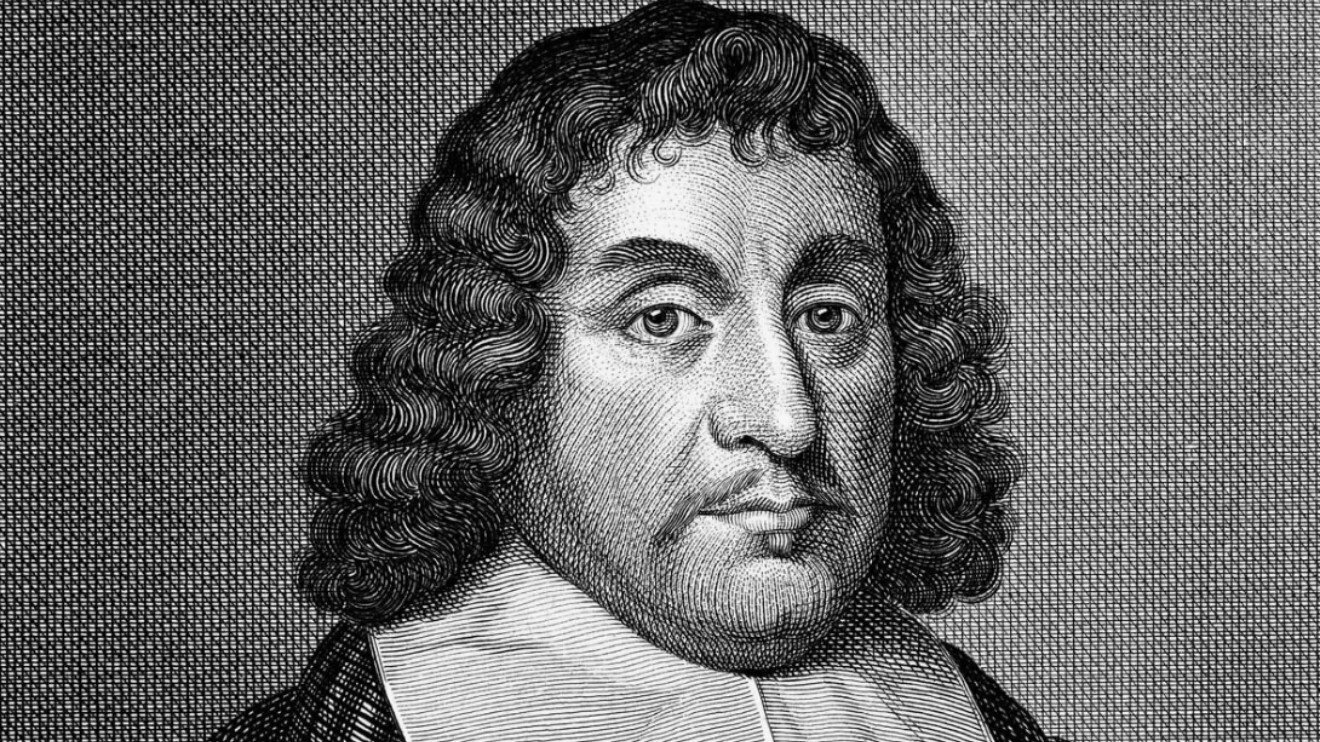
Thomas Fuller (1608-1661) was a seventeenth-century English historian, preacher, and writer, born in Northamptonshire to a clergyman's family. He was educated at Cambridge University, after which he took holy orders and served in several English parishes.
Fuller became known as the author of numerous works, the most famous among them:
- «The Historie of the Holy Warre» (1639) — an account of the Crusades
- «The History of the Worthies of England» (1662, published posthumously) — a biographical collection
- «The History of the University of Cambridge» (1655)
- «Church History of Britain» (1655)
Fuller earned particular fame for his aphorisms and wise sayings, prized for their wit and insight. They were collected in the book «Gnomologia: Adagies and Proverbs» (1732), published after his death.
The line quoted in the novel — «Money begets money» — is one of Fuller's best-known aphorisms. It expresses a simple economic truth: with starting capital in hand, it's far easier to grow one's wealth. Someone who already has money can invest it and earn additional profit, while someone starting from zero has only their own labor to rely on.
In the context of 1993 Russia, the phrase feels especially apt — a period of primitive capital accumulation, when many were chasing «seed» money to enrich themselves further in the transition to a market economy. The «voucher funds» mentioned in the text were one of the tools of privatization and quick enrichment in the post-Soviet years.
Fuller died in London in 1661, leaving behind a substantial literary legacy and a great many quotations that remain relevant to this day.