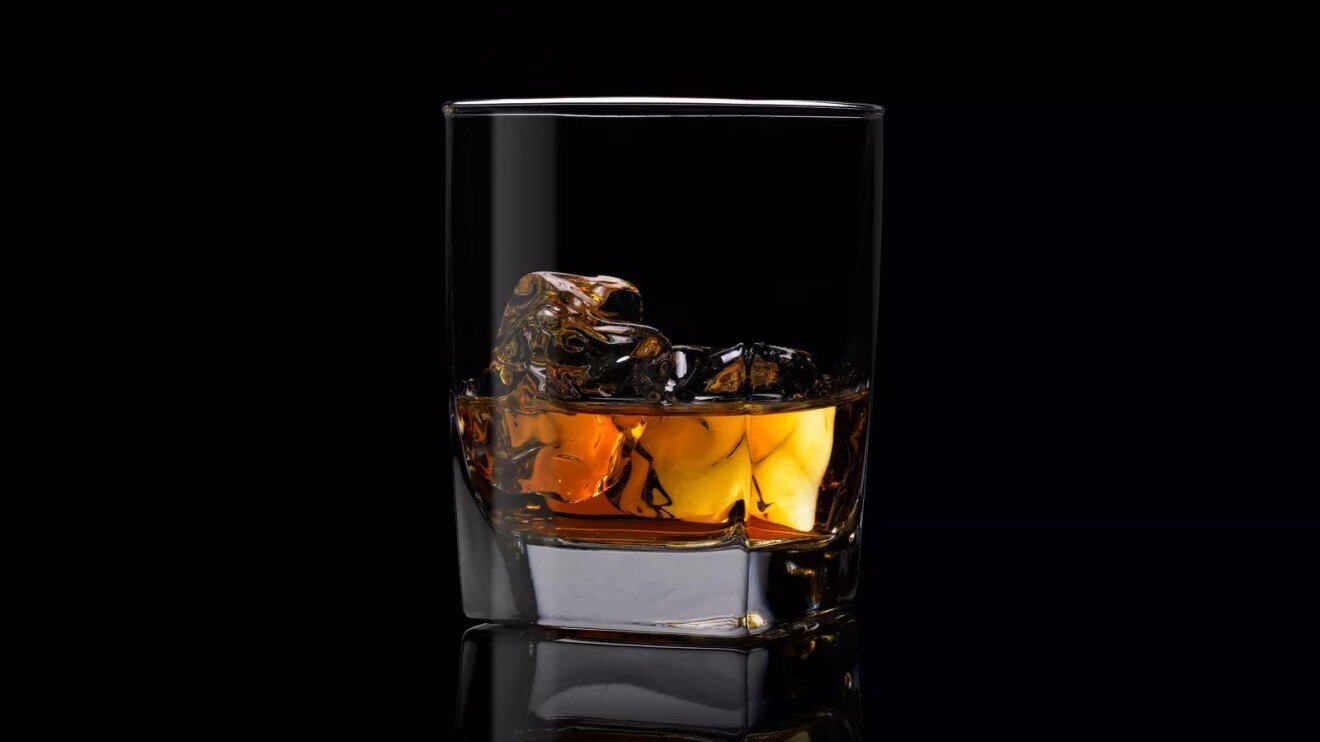
In the context of the events described here, set in 1996, a tumbler is a flat-bottomed drinking glass without a handle, widely used at the time for a variety of drinks, including alcohol.
Where the Name Comes From
There are several theories about the origin of the word «tumbler.» The most common traces it to the English word «tumble» — to fall or topple over. Originally, the term referred to glasses with pointed or rounded bottoms that couldn’t be set down without spilling their contents — they’d literally «tumble» if you tried to put them on a table while they still held liquid, forcing you to drink the whole thing in one go.
Another theory holds that early tumblers had weighted bottoms, letting them right themselves automatically after being tipped over, much like a roly-poly toy.
Tumblers in 1990s Russia
In mid-1990s Russia, tumblers were an ordinary item of household glassware. The most common types were:
- Faceted glasses — the traditional Soviet faceted tumbler, 200 or 250 milliliters, made of especially durable glass
- Plain glass tumblers of various sizes — small ones for vodka, larger ones for beer or juice
- Crystal tumblers — pricier versions reserved for special occasions
In the scene described, the characters are drinking «tea-colored liquor» from tumblers — most likely cognac, whiskey, or another amber-hued strong spirit. Using a tumbler specifically for hard liquor was a typical practice of the era, especially in informal settings.
Cultural Context
The 1990s in Russia saw Western drinking culture actively taking hold. Alongside traditional shot glasses and small vodka glasses, tumblers came into wider use for whiskey «on the rocks» or cognac. This was seen as a more modern, «Western» way to serve strong drinks, in keeping with the spirit of the era — the reach toward European living standards.
So the mention of tumblers in the text isn’t just period detail — it also signals a particular social status and set of cultural preferences among the characters.