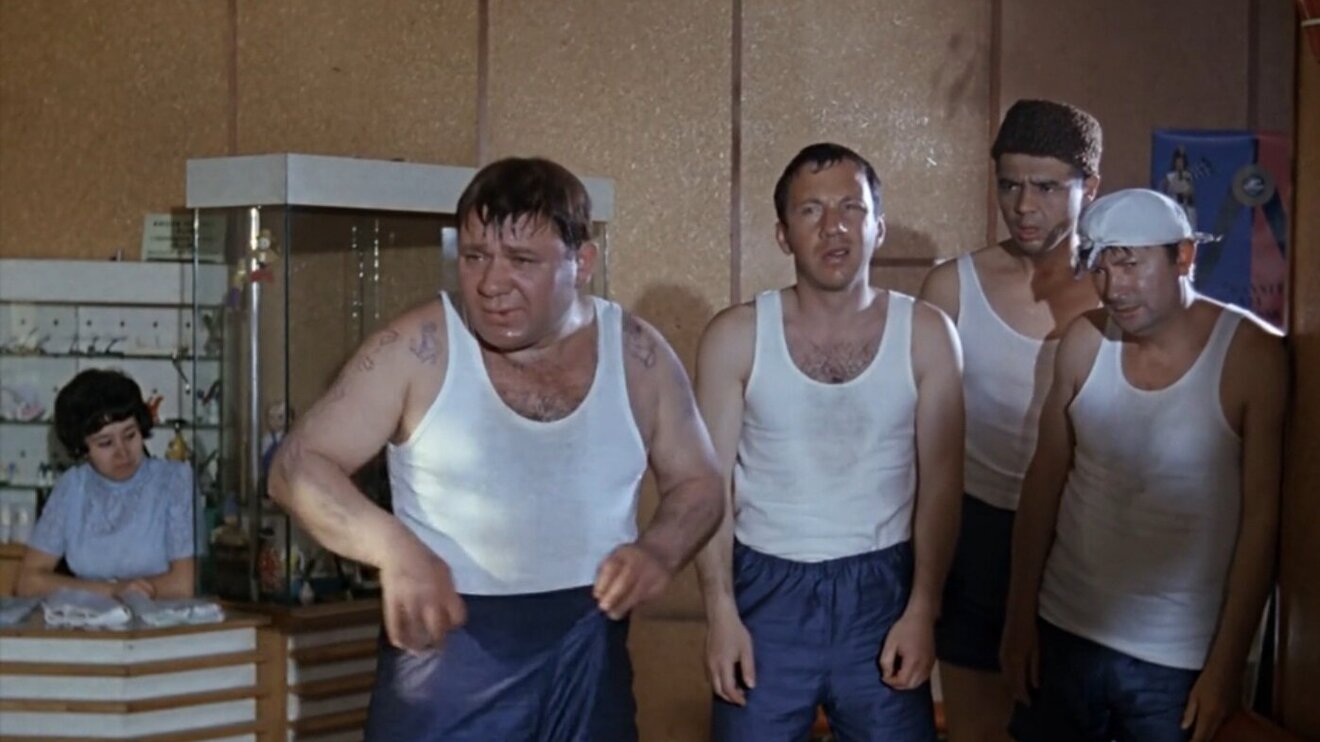
A simple item of clothing, known in Russia as the "maika-alkogolichka" (literally, "the alcoholic's undershirt"), and in the US as the "wife beater," is a case study in how stereotypes shape the way we see things.
In Russian culture, the term "maika-alkogolichka" arose from an association with a particular type — a "simple guy" from the working-class fringe who wears it both at home and out on the street. In film and television, characters like this were often portrayed as unassuming drunks.
In the US, the term "wife beater" (literally, "one who beats his wife") arose in 1947 after a criminal case in Detroit, when James Hartford was arrested for the brutal murder of his wife. At the time of his arrest, the perpetrator was wearing a white tank top; the photo from the arrest scene ran in crime coverage across the US and stayed on front pages for months. The image stuck in the public consciousness and became associated with:
- Domestic violence.
- Toxic masculinity.
- Social dysfunction.
- Fringe culture.
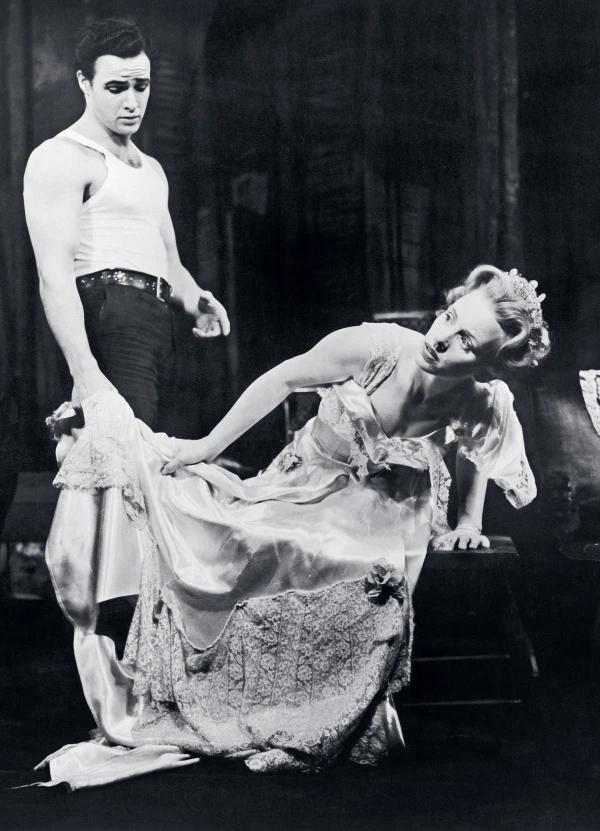
In both cultures, this tank top symbolizes similar social phenomena:
1. Class affiliation:
- Association with the working class.
- A symbol of social dysfunction.
- A marker of a certain lifestyle
2. Gender dimension:
- A pointedly masculine item of clothing.
- A link to problematic male behavior.
- A reflection of gender stereotypes.
3. Social issues:
- A signal of deviant behavior.
- A link to social pathologies.
- A reflection of broader social problems.