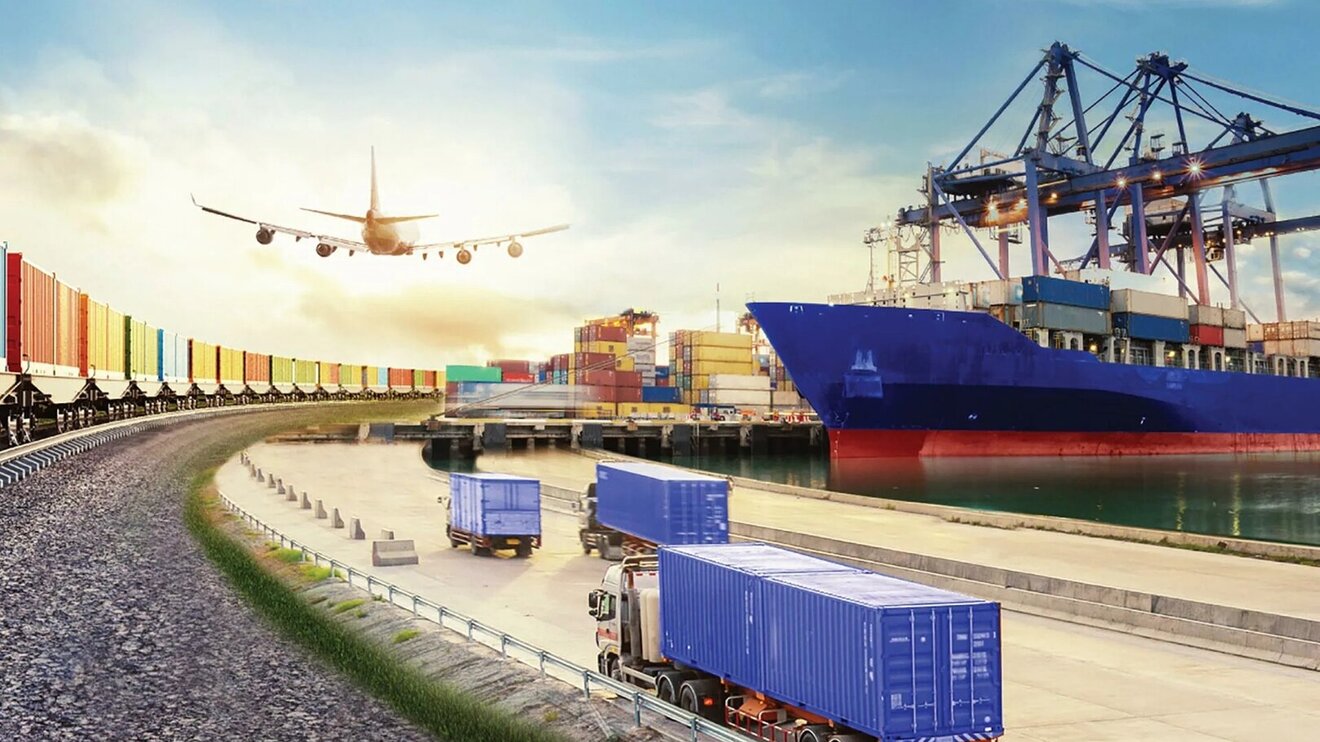
In the mid-1990s, importing goods into Russia involved complex logistics and customs procedures. Entrepreneurs had to account for a wide range of factors to keep supplies flowing without interruption.
1. Sourcing goods abroad
The main stages of sourcing included:
- Finding reliable suppliers (often through personal connections or at international trade fairs)
- Signing a contract specifying delivery terms (FOB or CIF were the most common)
- Prepayment (50-100% of the goods' value) via bank transfer
- Average order lead times: 2-4 weeks for Europe, 4-8 weeks for Asia
2. Shipping goods to Russia
The main transport options in 1996:
| Shipping type | Timeframe | Approximate cost |
|---|---|---|
| Sea freight (container) | 3-6 weeks | $1,500-3,000 per 20-foot container |
| Rail freight | 2-3 weeks | $2,000-4,000 per railcar |
| Trucking | 1-2 weeks | $0.15-0.30 per kg |
| Air freight | 2-5 days | $3-8 per kg |
3. Customs clearance
In 1996, the customs clearance process included:
- Customs duties: 5-30% of the customs value (depending on the goods)
- VAT: 20%
- Excise taxes (for excisable goods)
- Customs processing fees: 0.1-0.15% of value
Typical clearance timeframes
- Straightforward clearance: 1-3 business days
- Complex cases (inspections, expert review): up to 30 days
Common problems in customs clearance
- Understating the customs value (a frequent source of disputes with customs)
- Mismatched commodity classification codes
- Missing required certificates
- Corruption risk
Practical tip: Many entrepreneurs in 1996 preferred to work through specialized import firms, which took on all the complexities of sourcing, shipping, and customs clearance — even though this raised the final cost of goods by 15-25%.