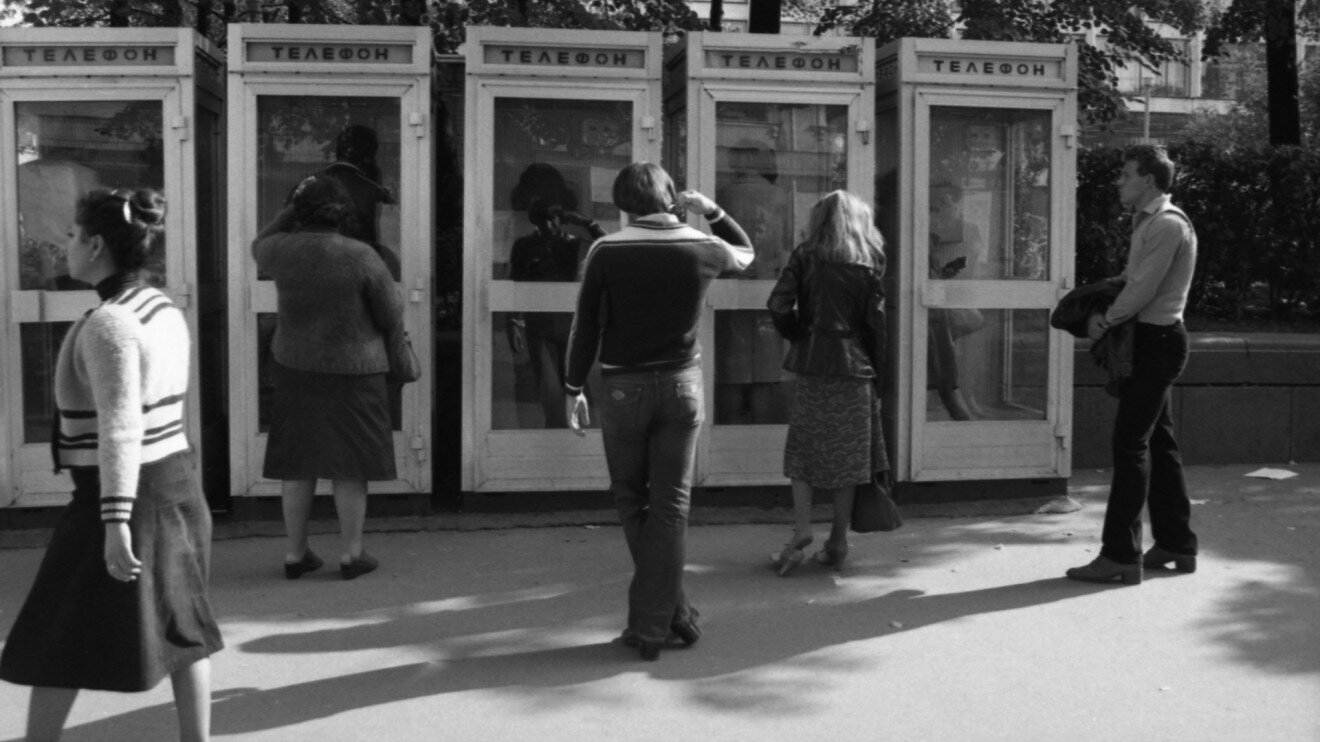
The five rubles for a phone call mentioned in the text is more like five kopecks today, if not less. In other words, nothing at all. And that was exactly the point of the racketeers' core method.
Stage one. In conversation with the merchant, the racketeer mentions that the matter can be settled amicably, no one will have to pay anyone anything, but he needs to call his boss to check whether that's alright. Trouble is — no change for the call.
Stage two. A seasoned merchant would just shrug: we'll talk later, then. A newcomer would offer to help and hand the thug some change himself, just to get rid of him. In that case, the next stage kicks in.
Stage three. The next day, a delegation from the racketeers shows up to discuss the terms of further "cooperation." Because the first installment has already come in, and the details need discussing.
– What installment? What details? — the merchant is baffled. All he did yesterday was chip in some change for a phone call.
– No! — say the grim-faced men. — Yesterday you made the first contribution to our black fund. Voluntarily, with no coercion. What we spent that contribution on — that's our business. Same with the amount of the first installment. The second and subsequent installments will run ten percent of profit, monthly!
This crafty construction exists so that, when questioned by law enforcement, they can look you straight in the eye and act baffled: — Me? I didn't do anything! He offered to pay himself. And he paid, himself. Nobody forced him. And what happened after that — I don't recall.