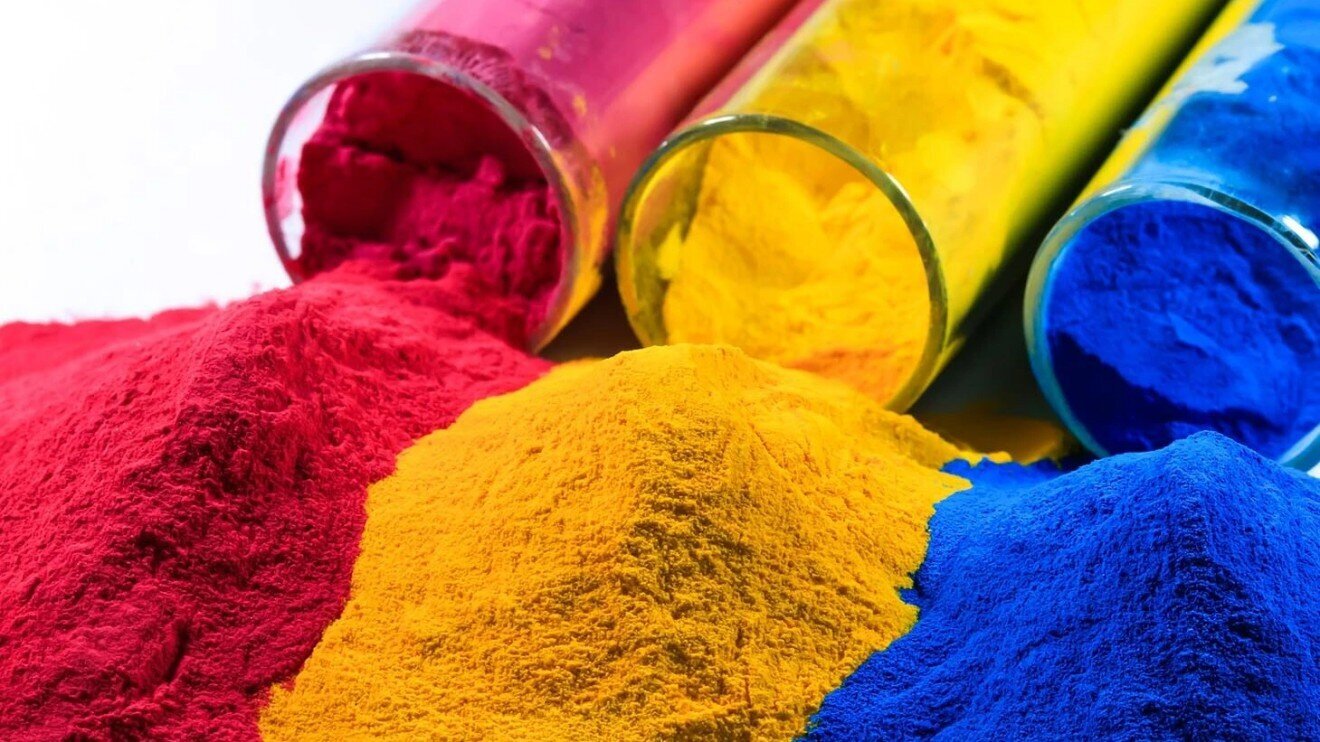
Aniline is known as a chemical compound, but its cultural significance is tied above all to the revolution in fabric dyeing and the arrival of bright synthetic dyes. It opened new horizons for art, fashion, and manufacturing.
-
Historical Significance:
- Aniline became the basis for the first synthetic dyes, such as mauveine (a purple dye), invented in 1856 by William Perkin. These dyes became a symbol of technical progress and luxury.
- Thanks to aniline dyes, a fashion for brightly colored fabrics emerged in the 19th century, significantly influencing the art and design of the era.
-
Symbolism in Art and Fashion:
- Aniline dyes became a symbol of a new era, one in which access to bright colors was no longer a privilege reserved for the wealthy.
- In artistic circles, bright aniline colors became associated with modernism, progress, and experimentation in painting, especially within the avant-garde movements.
-
Aniline as a Cultural Term:
- The word «aniline» became a byword for bright, artificially produced colors. Phrases like «aniline-bright» came to describe garish, saturated shades in fashion or art.
Aniline in Printing
Aniline has a more practical significance in printing, since its derivatives were, and still are, used to make dyes and inks.
-
Its Role in Dyeing and Ink Production:
- Aniline derivatives are found in inks used for offset, flexographic, and gravure printing. They provide bright, durable color.
- Aniline-based inks are especially in demand for packaging, where color saturation matters.
-
Aniline Printing:
- The term «aniline printing» arose from the use of aniline dyes in flexographic printing. These inks dry quickly and suit printing on porous, soft surfaces like cardboard, fabric, or packaging paper.
-
Advantages of Aniline Dyes:
- Brightness and durability: These dyes produce rich colors that hold up over long periods.
- Cost-effectiveness: Aniline-based inks were widely used in the 20th century for their availability and versatility.
-
Drawbacks and Modern Alternatives:
- Aniline dyes have a downside: some can be toxic, which is why they’ve been replaced by safer pigments in environmentally conscious printing.
In short, aniline became not just an important chemical compound but a powerful symbol of the age of industrial progress, shaping both cultural trends and the development of printing technology.