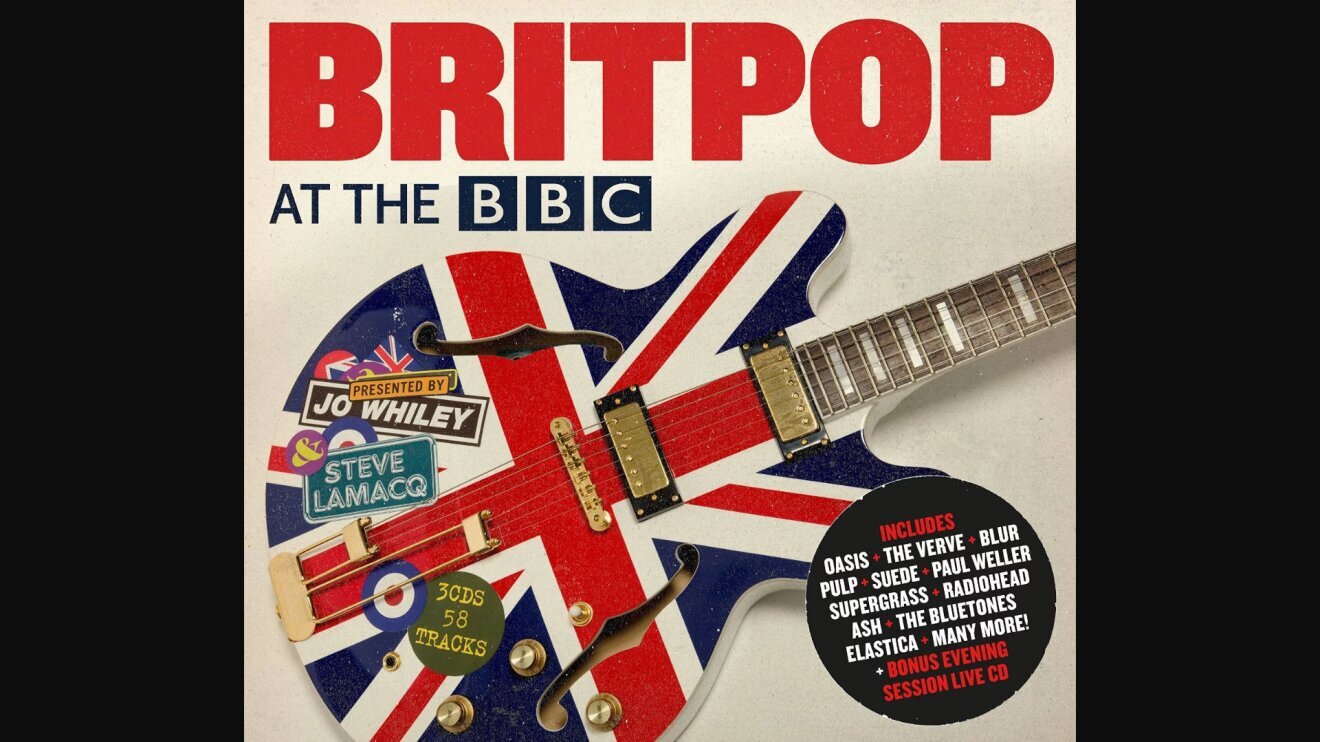
By 1996, Britpop had reached the peak of its popularity and become one of the trendiest musical movements not just in the UK, but around the world. The term, first coined by journalist John Robb in 1987 to describe the music of The Stone Roses, had firmly entered the musical lexicon by the mid-nineties.
The style’s heyday came in 1994, when Blur and Oasis released their iconic albums Parklife and Definitely Maybe. After Nirvana frontman Kurt Cobain’s death, the bulk of rock fans split into camps, and many rallied around the British wave instead. Dominance in the world of rock swung back to Britain.
Media attention to Britpop peaked in August 1995, with the famous «Battle of Britpop» between Oasis and Blur, who released singles on the same day. The event turned into a genuine cultural phenomenon, widely covered in the press.
Britpop was defined by a revival of 1960s guitar-pop style, drawing on British musical tradition and unmistakably British melodies. The «Big Four» of Britpop were generally considered to be Oasis, Blur, Pulp, and Suede.
Britpop’s influence quickly spread beyond Britain. In Russia, the genre’s popularity was one of the sparks behind the emergence of so-called «rokapops.» Ilya Lagutenko, frontman of the band Mumiy Troll and the man who coined that term, recorded his first studio albums in Britain itself — a clear sign of the British wave’s influence on the Russian rock scene.
By 1996, Britpop had become more than a music genre — it was a cultural phenomenon, a symbol of «Cool Britannia,» and dropping its name in conversation really could impress the person you were talking to, especially in music circles.