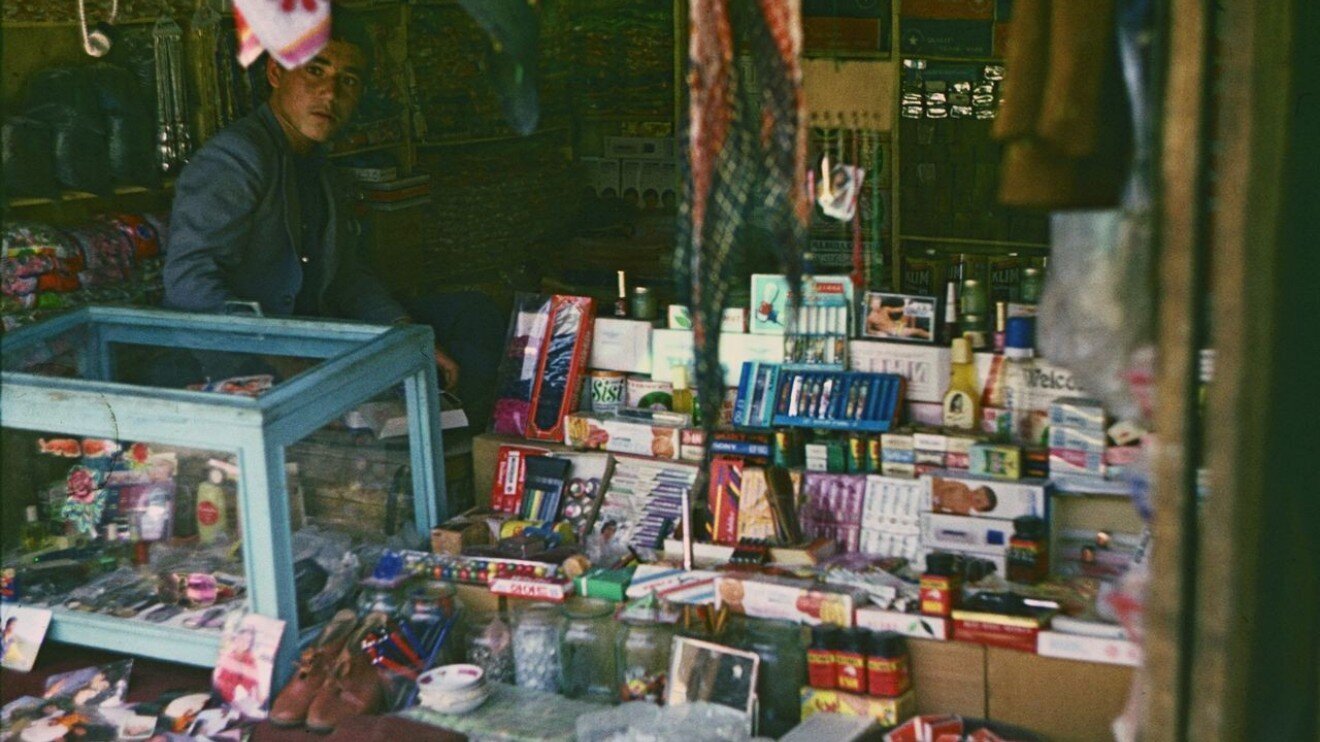
Dukan is the word used in Afghanistan for a shop, stall, or small trading space. In the traditional Eastern way of life, dukans played a key role in the economic and social life of the local population, especially during the Soviet occupation (1979–1990), when the country was in a difficult political and military situation.
The Role of Dukans in Daily Life
During the Soviet occupation of Afghanistan, dukans remained important points of contact for the local population, despite the chaos of war. These shops met citizens’ basic needs, served as gathering places, and sometimes became spaces for political or military discussion.
The Main Functions of Dukans
- Trading food and daily necessities: In an unstable economy, dukans were an important source of food and household goods. They sold rice, flour, tea, sugar, spices, and other products.
- Workshops: Many dukans combined trade with craft work, such as shoe repair, clothes-making, or blacksmithing.
- Meeting place: Locals often gathered at dukans to discuss news, exchange information, and share opinions about current events.
Dukans Under Soviet Presence
Between 1979 and 1989, Afghanistan was in a state of prolonged armed conflict. The Soviet army tried to prop up a loyal regime while fighting the mujahideen guerrillas. This period brought destroyed infrastructure and shortages of food and goods, which seriously affected the economy and the work of dukans.
Economic Features
- Shortages: Because of the fighting and destroyed transport routes, supplying dukans became extremely difficult. Many goods were smuggled in through Pakistan and Iran.
- Barter: The monetary system was unstable, and in some regions trade was conducted by barter — exchanging goods or services.
- Prices: Hyperinflation and limited access to imported goods drove prices up sharply, especially for food and medicine.
The Dukan as a Center of Guerrilla Activity
Many dukans in rural areas and cities served as cover for mujahideen activity:
- Storing weapons, ammunition, and food.
- Secret meetings and exchanging information.
- Raising funds to buy weapons.
The Soviet army and government forces tried to control such spots, but the guerrillas often used dukans as part of their resistance infrastructure.
Dukan Life in Cities and Villages
Urban Dukans
In large cities like Kabul, Herat, or Kandahar, dukans more often had a steady supply, since Soviet authority maintained the main transport routes. Here you could find shops with a wider range of goods, from textiles to jewelry.
Village Dukans
In rural areas, dukans operated intermittently. The shop owner was often a trader, craftsman, and go-between all at once. Most of the population depended on these shops, especially during village blockades or active fighting.
The Cultural Significance of Dukans
Dukans served more than an economic function — they were also a cultural element of Afghan society, reflecting:
- Tradition: The layout of a dukan, and the ways of trading and talking with customers, kept a national character.
- Community structure: Dukans kept members of the local community connected, helping news and rumors spread.
- Hospitality: Dukan owners often offered customers tea and shared the latest news.
Conclusion
Under the Soviet occupation, dukans remained an important part of daily life in Afghanistan, despite wartime hardship and economic instability. They served not only as places to trade but as centers of community and survival. Their role in that period underscores the resilience of Afghan society, which managed to preserve its traditions and adapt to the harsh conditions of war.