NEC Corporation is a Japanese multinational corporation specializing in information technology and electronics that, by the early 1990s, had already secured a firm position in the global telecommunications-equipment market.
The Company’s History Through the 1990s
The company was founded in 1899 as a joint venture with the American Western Electric Company, and over nearly a century grew from a small maker of telephone equipment into one of the world’s technology giants. By the early 1990s, NEC ranked fourth among the world’s PC manufacturers and held an absolute lead in the Japanese PC market, with a share above 80%.
The company achieved especially impressive success in semiconductors: from 1985 to 1992, its chip-making division was the largest in the world by revenue. That made NEC a key supplier of components for the rapidly growing personal-computer and telecommunications industries.
NEC Pagers in the Pre-Cellphone Era
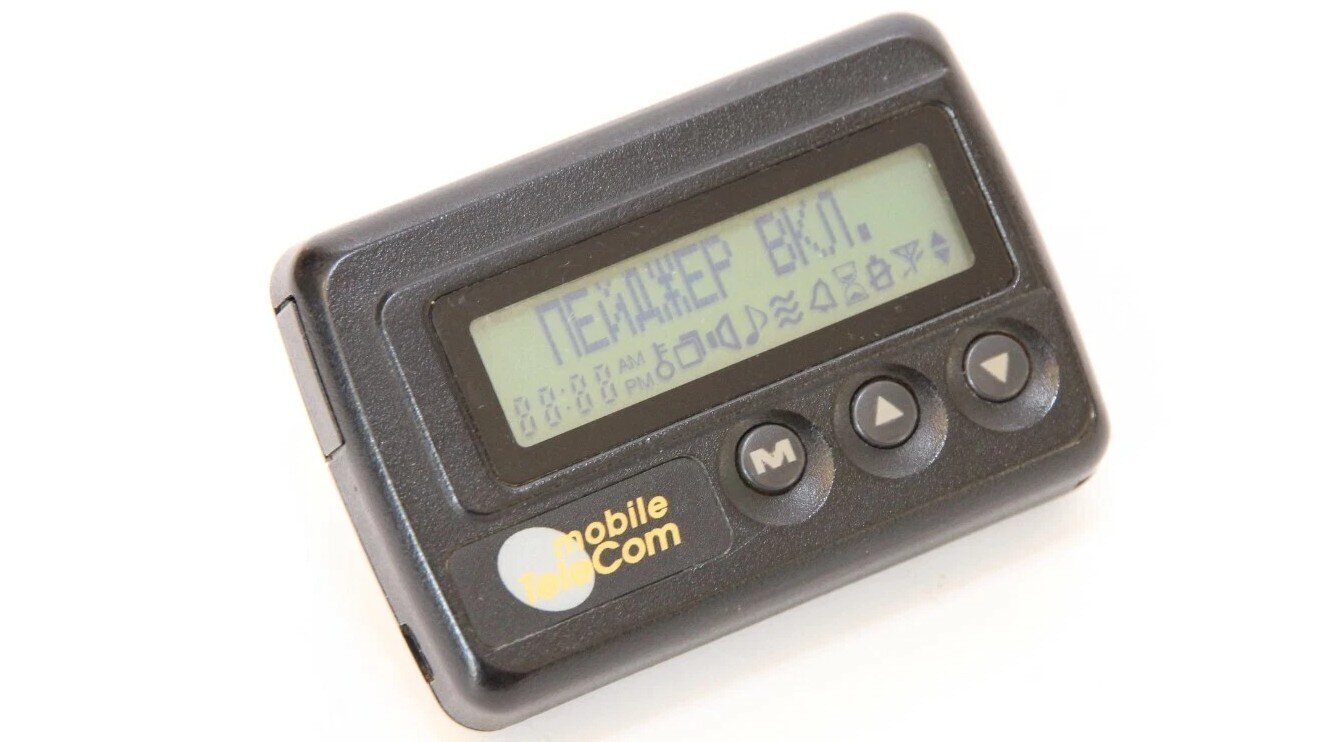
In the early 1990s, pagers were a symbol of status and technological sophistication. These were small devices capable of receiving short text or numeric messages transmitted over dedicated radio frequencies. NEC pagers stood out for their build quality and reliability, typical of Japanese electronics of the time.
For Russia in 1993, a pager was a luxury item and a mark of belonging to the new elite — businessmen, «New Russians,» people connected to foreign companies or to the shadow economy. Such devices could cost several hundred U.S. dollars, which, with average Russian monthly wages around $50–80, put them out of reach for most of the population.
The Technological Context of the Era
1993 was a turning point in the history of Russian telecommunications. The Soviet communications system was in deep crisis, and new technologies were only beginning to make inroads. Paging networks were built by private companies and became one of the first alternatives to the state telephone monopoly.
NEC as a company was already well known in the USSR from Soviet times, thanks to its supply of telecommunications equipment. In the post-Soviet period, the Japanese corporation was actively involved in modernizing Russia’s communications networks, supplying digital telephone exchanges and other modern equipment.
Symbolic Significance
An NEC pager in a Russian businessman’s pocket in 1993 was more than a communication device — it was a symbol of the transition from Soviet isolation to integration into the world economy. It showed the owner’s connection to «big business,» international contacts, and the new technological age.
Tellingly, the character shuffles the pager from pocket to pocket — typical behavior for someone wanting to show off a status object, but doing so a bit awkwardly, which gives away the «newly rich» man of the era of primary capital accumulation.