Background and Instigators
The January 1991 currency reform was named after Soviet Prime Minister Valentin Pavlov, though according to eyewitness accounts, the real instigators were the KGB, led by Vladimir Kryuchkov.
The official justification for the reform was a fight against large-denomination banknotes, allegedly «concentrated abroad in large quantities and in the hands of shadow capital.» The KGB claimed a large-scale financial sabotage operation against the USSR was being prepared, using more than 10 billion rubles smuggled out of the country.
The KGB Version
A threat of external currency-and-financial provocation, large banknotes piling up abroad, the need to prevent economic sabotage.
The State Bank’s Version
Skepticism about the scale of the threat, a suspicion that most of the money was in ordinary citizens’ hands rather than speculators’.
Terms and Conduct of the Reform
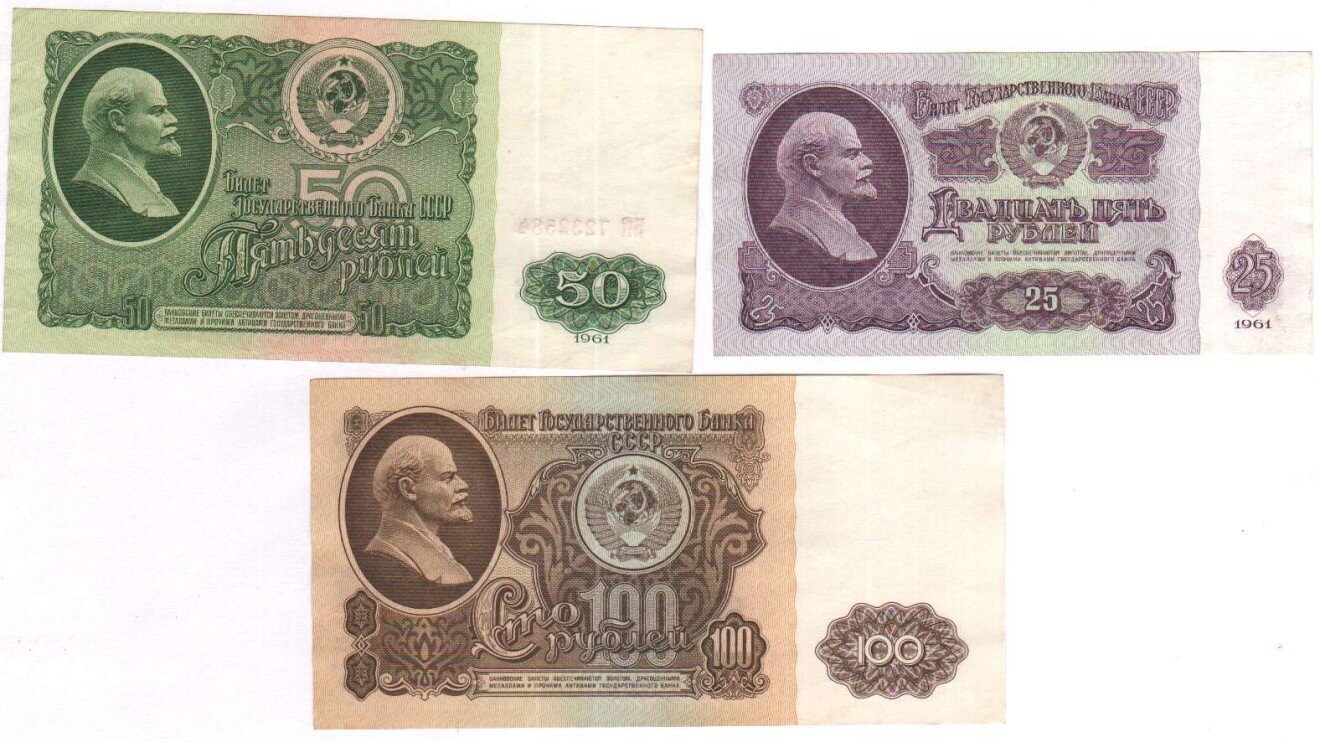
On January 22, 1991, at 9:00 PM Moscow time, the immediate withdrawal from circulation of 1961-model 50- and 100-ruble notes was announced. The timing could hardly have been worse — practically every bank and shop had already closed for the day.
Harsh Exchange Terms
- Deadline: just three days, January 23–25
- Limit: no more than 1,000 rubles per person without proof of income
- Savings-bank restriction: withdrawals capped at 500 rubles a month
- Bureaucracy: exchanges above the limit only through special commissions
Results and Consequences
The reform turned into a genuine catastrophe for ordinary citizens. Contrary to official claims, the bulk of large banknotes weren’t in the hands of underground millionaires but in the pockets of the population — those very same notes had been used to pay wages just before the reform.
«You could say the country simply didn’t work those days. For the first two days, panic reigned in society — people practically stormed the savings banks.»
48
billion rubles were in circulation
40
billion rubles were submitted for exchange
8
billion rubles never came back
Long-Term Impact
The reform’s chief result wasn’t the solution of any economic problem, but the catastrophic loss of public trust in the union government. Many historians consider the Pavlov reform one of the decisive factors in the collapse of the USSR.
Economist Yakov Mirkin described the reform as a «gut punch» to relations between the state and its citizens. Especially painful was the fact that the reform had been preceded by Pavlov’s public assurances that no currency reform would take place at all.
The Chain Reaction of Crisis
The currency reform was followed in April 1991 by a 20–24% price hike, which finally undermined the population’s purchasing power and hastened the USSR’s economic collapse.
The Connection to the Events of 1993
The novel’s mention that «the confiscation of Soviet money, unlike the one a couple of years earlier, didn’t set off any frenzy» likely points to the contrast between the panic of 1991 and the calmer public reaction to the currency reforms of Russia’s early-capitalist period. By 1993 citizens had already lived through hyperinflation and multiple financial shocks, which made them far less susceptible to yet another round of monetary experiments by the authorities.
Historical Significance
The 1991 Pavlov reform remains a symbol of the failure of Soviet leadership’s attempts to solve economic problems through administrative measures. It demonstrated the total rupture between power and society in the last months of the USSR’s existence.