A fixer (from the English «fixer» — one who «sets things right,» a «solver») is a person hired or tasked with solving other people’s problems. The term carries different meanings depending on context and cultural background.
Etymology and Cultural Differences
In British English, «fixer» is relatively neutral, describing someone like a special advisor who «gets results.» Britons use the word for business-improvement consultants or effective managers.
In American English, the term carries a more negative charge, implying the person’s methods are morally and legally dubious. An American fixer is often the aide of a powerful figure, carrying out complicated, hidden, or covert actions, or bailing a client out of personal or legal trouble.
«A fixer is someone who works in the gray zones of law and morality, turning the impossible into the possible.»
Main Fields of Work
Organized Crime
In the criminal world, fixers play the role of «cleaners» — disposing of compromising physical evidence, including getting rid of bodies or witnesses. This type of fixer specializes in leaving no trace of criminal activity.
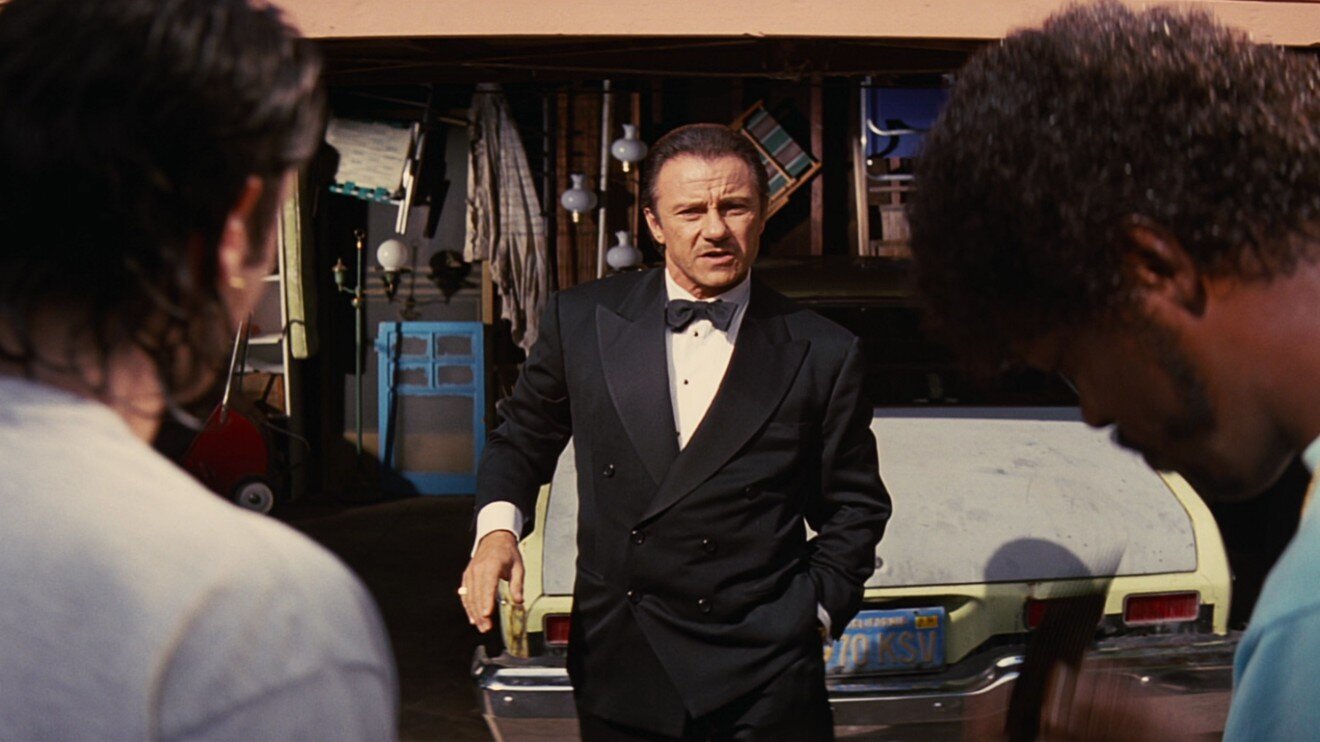
The term «cleaner» became widely known through film, especially after Pulp Fiction (1994), where Harvey Keitel’s character Winston Wolf demonstrates the classic work of a fixer-cleaner.
Politics
Political fixers work behind the scenes of power, handling delicate matters for their patrons. They may use legal means (lawsuits, financial payoffs) as well as illegal ones. A classic example of political fixers is Richard Nixon’s «White House Plumbers,» whose methods included break-ins and burglary. Modern political fixers often operate under official-sounding job titles — «lawyer,» «bodyguard» — that don’t reflect the real nature of their services.
Sports
In the sports industry, fixers arrange match-fixing — predetermining the outcome of athletic competitions. Gambling is often the motive, and fixers frequently work for organized crime.
A famous example is the 1919 «Black Sox» scandal, when Major League Baseball players conspired with a gambling syndicate and agreed to throw the World Series in exchange for bribes.
Journalism
In journalism, a fixer is a local assistant, often a journalist themselves, hired by a correspondent or media outlet to help produce a story. Fixers serve as translators and guides, helping arrange local interviews the correspondent otherwise couldn’t access.
Journalistic fixers rarely receive on-screen credit and often put themselves at risk, especially under regimes where they could face consequences from a repressive government for exposing wrongdoing.
An interesting detail
According to the Global Investigative Journalism Network, a fixer’s base pay ranges from $50 to $400 a day — extremely little, given the level of risk involved.
Methods and Tools
Legal Methods
Fixers can use entirely legal means to achieve their goals:
- Lawsuits — using the legal system to pressure opponents.
- Financial payments — compensation for silence or cooperation.
- Lobbying — influencing decisions through official channels.
- Public relations — managing information flows.
Gray Zones
Many fixers operate in legal gray zones, using methods that technically don’t break the law but are ethically dubious:
- Information warfare — spreading compromising material.
- Psychological pressure — threats and blackmail without direct coercion.
- Corruption — using personal connections within government structures.
Psychological Profile
A successful fixer has a distinctive set of traits:
Professional Qualities
- High tolerance for stress.
- Ability to make fast decisions.
- Broad connections across various fields.
- Knowledge of legal loopholes.
- Ability to work under conditions of secrecy.
Personal Traits
- Moral flexibility.
- Loyalty to the client.
- Distrust of outsiders.
- A talent for manipulation.
- Emotional detachment.
Famous Fixers in History
Politics and Power
Roy Cohn — the American lawyer who worked with Senator Joseph McCarthy and later became a mentor to Donald Trump. Cohn was known for his ability to solve difficult legal and political problems by any means necessary.
Michael Cohen — Donald Trump’s personal lawyer, who described himself as a «fixer» and said he’d be willing to «take a bullet» for his client.
Hollywood
Eddie Mannix — the MGM studio executive who specialized in covering up scandals involving Hollywood stars. His methods included bribing journalists, issuing threats, and arranging false alibis.
Fred Otash — the private investigator who worked for Hollywood studios, tailing stars and their rivals.
Organized Crime
Sidney Korshak — the lawyer tied to the Chicago mob, who used his connections in labor unions and politics to solve problems for crime bosses.
Arnold Rothstein — an influential figure in the Jewish mob, believed to be behind many of the major schemes of the early 20th century.
Fixers in Popular Culture
The fixer archetype has become a popular figure in film and literature, contributing to the romanticizing of the profession:
| Work | Character | Actor/Author | Type of Fixer |
|---|---|---|---|
| Pulp Fiction (1994) | Winston Wolf | Harvey Keitel | Cleaner |
| Scandal (2012–2018) | Olivia Pope | Kerry Washington | Political crisis manager |
| Michael Clayton (2007) | Michael Clayton | George Clooney | Corporate fixer |
| Ray Donovan (2013–2020) | Ray Donovan | Liev Schreiber | Hollywood fixer |
Modern Trends
In today’s world, the fixer’s role has evolved alongside technology and shifting social norms:
The Digital Age
Modern fixers actively use digital technology:
- Cybersecurity — defense and offense in digital space.
- Online reputation management — controlling information on the internet.
- Social media — shaping public opinion.
- Big data — analyzing information to inform decisions.
Corporate Fixers
In the corporate world, fixers work under various official titles:
- Crisis communications managers.
- Special-purpose corporate counsel.
- Security consultants.
- Government relations specialists.
Ethical Considerations
A fixer’s work raises serious ethical questions:
The Downsides
- Undermining justice.
- Corrupting the system.
- Violating equality before the law.
- Moral decay in society.
The Upsides
- Effective problem-solving.
- Protecting a client’s interests.
- Preventing bigger scandals.
- Stabilizing volatile situations.
Regional Variations
The Philippine Model
In the Philippines, «fixer» carries a deeply negative meaning, referring to people who help clients get priority or expedited service at government agencies in exchange for payment. Because of the bribery and fraud involved, fixers are illegal under Philippine law.
The Post-Soviet Space
In the former USSR, the fixer role is often filled by:
- Former intelligence officers — drawing on professional skills and connections.
- Well-connected businessmen — with influence and resources.
- Political consultants — operating in the gray zones of power.
- General-practice lawyers — who handle more than just legal matters.
The Profession’s Future
The fixer profession continues to evolve under the influence of technological and social change:
Technological Challenges
- Artificial intelligence — may take over some analytical functions.
- Blockchain — makes hiding financial transactions harder.
- Biometrics — makes concealing identity harder.
- The Internet of Things — creates new surveillance possibilities.
Social Change
- Greater transparency — society demands more openness.
- Activism — civic organizations hold power accountable.
- Social media — information spreads faster.
- Globalization — complicates concealing international operations.
Worth remembering
A fixer isn’t just a profession — it’s a way of thinking, an approach to solving problems. In a world where official institutions aren’t always effective, fixers fill the gaps, operating on the border between law and lawlessness, between morality and pragmatism.
Conclusion
The fixer phenomenon reflects fundamental features of human nature and social organization. Wherever there are problems that can’t be solved through ordinary means, there will always be people willing to tackle them by any means necessary.
The fixer is a figure who exists at the intersection of power and powerlessness, law and lawlessness, morality and immorality — a profession that will exist for as long as the world has complex problems demanding unconventional solutions.
Understanding the fixer’s role and function matters for understanding the mechanics of power, corruption, and social relationships in any society. That knowledge helps make sense of how the world actually functions behind the scenes of its official institutions.
«In a world where the rules of the game keep changing, a fixer is someone who knows how to play by any of them.»