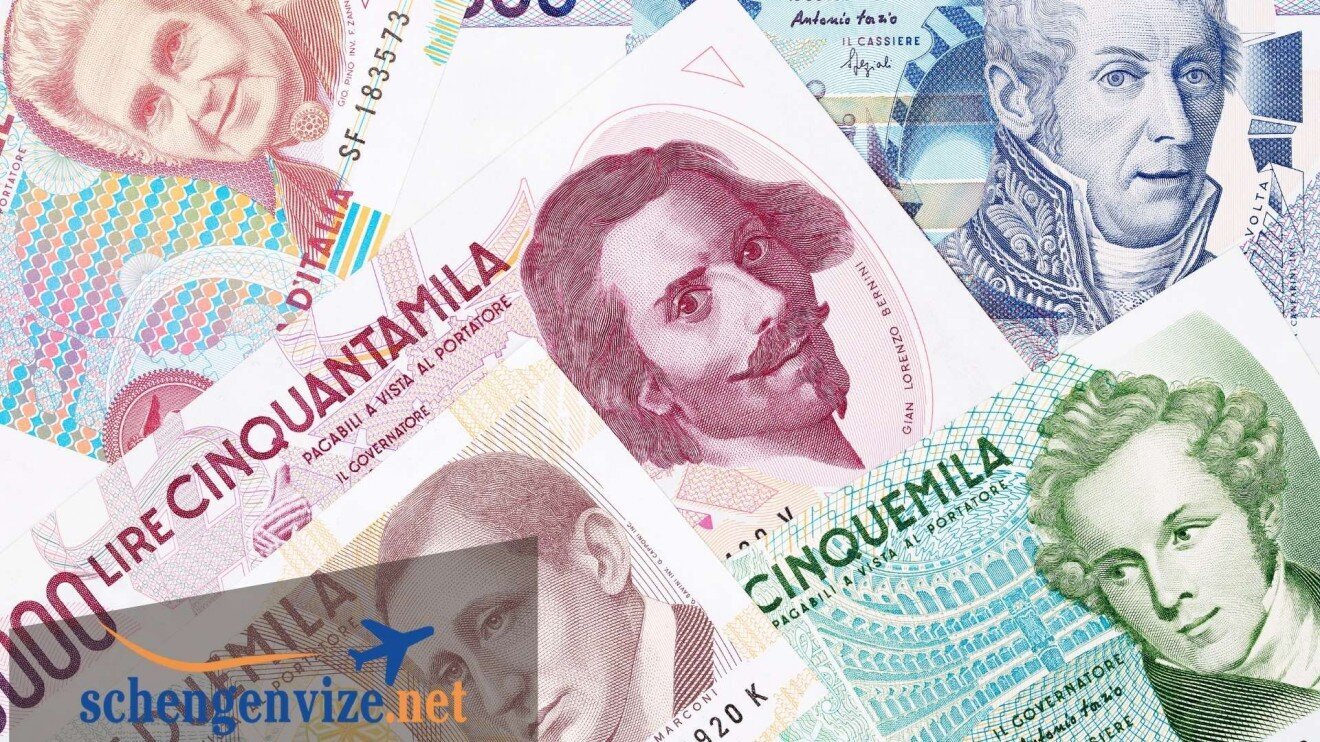
In 1993, Europe was a genuine mosaic of national currencies, each with its own history and its own quirks of circulation.
The major European currencies of the early 1990s
The British pound sterling
One of the oldest currencies in the world, a symbol of British financial power. In 1993 it was actively used in international settlements and was one of the world's primary reserve currencies.
The French franc
France's national currency, widely used in former French colonies in Africa. One of the key elements of the European monetary system.
The German mark (deutschmark)
A symbol of postwar Germany's economic miracle. By the 1990s it had become one of Europe's most stable and respected currencies, effectively the anchor of the European monetary system.
The road to a single European currency
The idea of creating a single European currency grew out of the need to simplify trade and financial relations between European countries. The euro was introduced for non-cash transactions on January 1, 1999, and euro banknotes and coins entered circulation on January 1, 2002.
Why was a single currency necessary?
- Eliminating currency risk in trade between European countries
- Reducing the cost of currency conversion
- Creating more stable financial markets
- Strengthening Europe's economic integration
Eurozone countries and their former currencies
The eurozone currently comprises 20 countries, which gave up their national currencies in favor of the single European one:
| Country | Former currency | Year joined the eurozone |
|---|---|---|
| Austria | Austrian schilling | 1999 |
| Belgium | Belgian franc | 1999 |
| Germany | German mark | 1999 |
| Ireland | Irish pound | 1999 |
| Spain | Spanish peseta | 1999 |
| Italy | Italian lira | 1999 |
| Luxembourg | Luxembourg franc | 1999 |
| Netherlands | Dutch guilder | 1999 |
| Portugal | Portuguese escudo | 1999 |
| Finland | Finnish markka | 1999 |
| France | French franc | 1999 |
| Greece | Greek drachma | 2001 |
| Slovenia | Slovenian tolar | 2007 |
| Cyprus | Cypriot pound | 2008 |
| Malta | Maltese lira | 2008 |
| Slovakia | Slovak koruna | 2009 |
| Estonia | Estonian kroon | 2011 |
| Latvia | Latvian lats | 2014 |
| Lithuania | Lithuanian litas | 2015 |
| Croatia | Croatian kuna | 2023 |
The scale of currency diversity
The eurozone's 20 countries had 18 different currencies between them (some countries shared the same currency, such as the Belgian and Luxembourg francs). Imagine the complexity of doing business and traveling when nearly two dozen different monetary systems were in force across a relatively small area of Europe!
Each currency had its own exchange rate, its own fluctuations, its own quirks of exchange. A businessman working with several European countries had to constantly track exchange rates, bear the cost of conversion, and hedge against currency risk.
The euro symbol
The graphic symbol for the euro, €, was designed as a combination of the Greek epsilon (a symbol of the significance of European civilization), the letter E (for Europe), and two parallel lines representing the stability of the new currency.