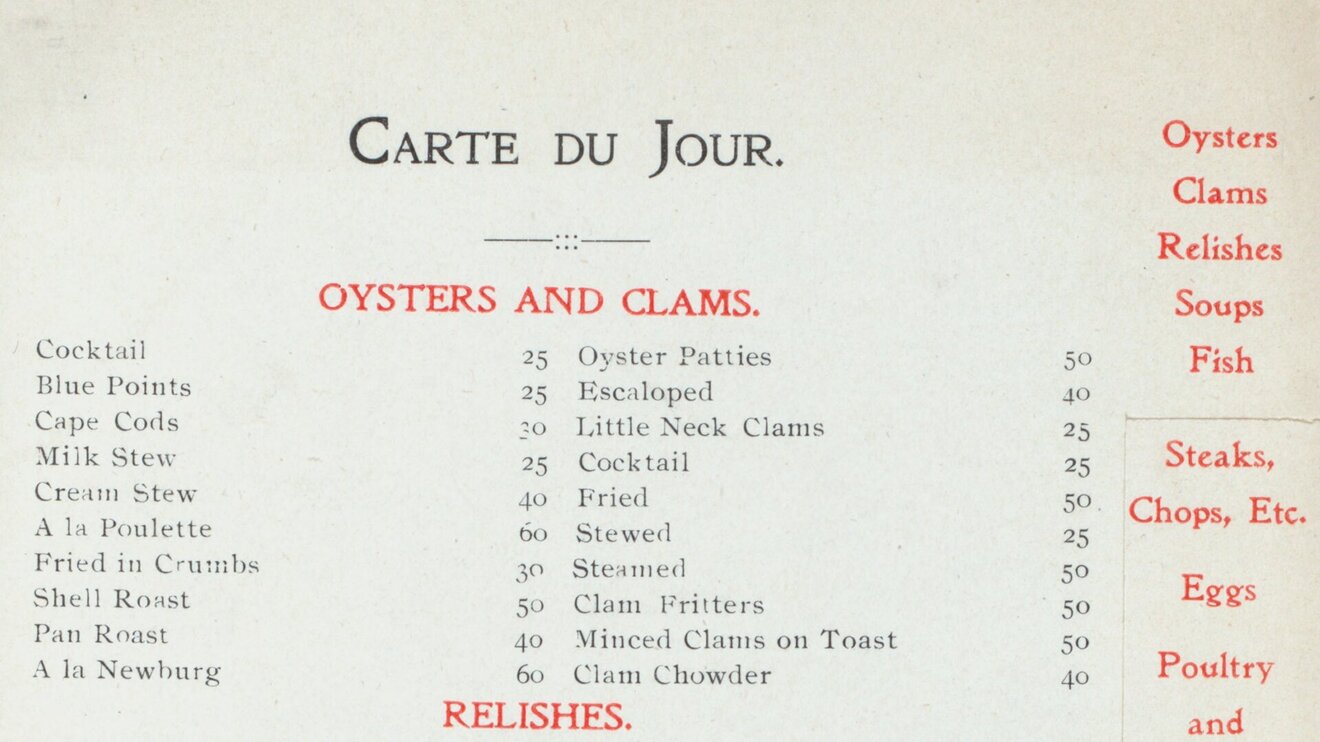
A reference to Vladimir Mayakovsky's poem «Could You?» (1913) — one of the programmatic works of the poet's early career. First published in March 1913 in the Futurist collection «The Missal of the Three» (contributors: Khlebnikov, Mayakovsky, and Burliuk). It's in this poem that Mayakovsky's recognizable lyrical persona takes shape — bold, defiant of the mundane.
The poem opens with the lines: "I suddenly smeared the everyday map, / splashing paint from a glass; / I showed, on a plate of aspic, / the slanted cheekbones of the ocean." These images became emblematic of early Russian Futurism. The "everyday map" (or "map of the day") is a café or restaurant menu, a literal translation of the French «carte du jour». So in the novel's text, the character compares his drunken state to the creative inspiration of a Futurist transfiguring the everyday.
In the context of 1993, this reference takes on special meaning. Amid the radical social and political upheaval of post-Soviet Russia, many intellectuals turned to the experience of the early-20th-century avant-garde, finding parallels between two eras of cultural rupture. The "yellow blouse" is another reference to Mayakovsky, who scandalized the public by wearing a bright outfit at Futurist performances. In December 1912, at an evening event at the Moscow Polytechnic Museum, Mayakovsky first appeared in his famous yellow blouse, which became a symbol of the Futurists' challenge to public taste.
The image of the "plate of aspic" is especially notable for its contrast with the shapelessness of that dish against Mayakovsky's dynamic, chopped verse. Nikolai Khardzhiev, a noted scholar of the Russian avant-garde, identified three metaphorical planes in "Could You?": the visual (a still life), the auditory (a nocturne, a flute), and the dynamic (expressed through active verb forms).
The poem closes with its famous rhetorical challenge: "And could you / play a nocturne / on a flute / made of drainpipes?" This line, broken up in Mayakovsky's characteristic "staircase" format, underscores the opposition between the creative individual and the crowd — a theme that resonated strongly with the intelligentsia's self-image in the post-Soviet period.
In the early 1990s, as many artists and writers searched for new forms of self-expression in the age of market relations, invoking Mayakovsky often became a way of making sense of the creator's role in a time of upheaval. But unlike the revolutionary 1910s, in 1993 such a reference could be read with a degree of irony toward the character himself, who, in a drunken state, romanticizes himself by comparing his condition to that of a bold Futurist from the turn of the century.
Could You?
I suddenly smeared the everyday map,
splashing paint from a glass;
I showed, on a plate of aspic,
the slanted cheekbones of the ocean.
On the scales of a tin fish
I read the calls of new lips.
And could you
play a nocturne
on a flute
made of drainpipes?1913