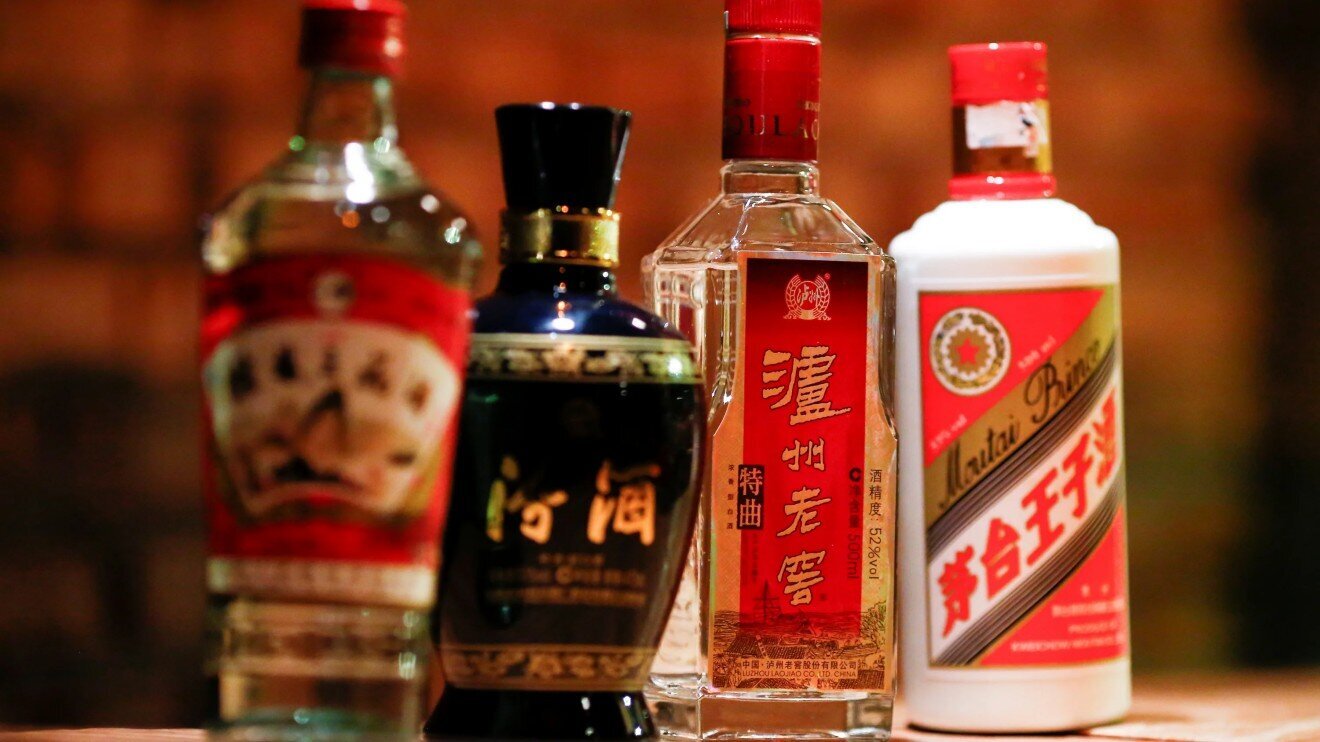
The term "khanka" was a slang name for vodka and moonshine, common in the early 1990s. In Russia's Far East, the word was a simplified name for "hanshin" (baijiu) — a traditional strong Chinese alcoholic drink.
Baijiu (Chinese, traditional 白酒, literally "white wine") is a distilled product resembling moonshine — a clear liquid with a distinctive smell, 40-60% alcohol by volume. In Russia this drink became known as "hanshin," "hanzha," "khana," or "khanka." It was also known as "sulya" or "suli," from the Korean word "sul" — "vodka."
In the 19th century, hanshin was especially popular among the Cossacks and peasants of the Amur and Primorye regions for its affordability and strength — it was believed to be more intoxicating than Russian vodka. In the 1880s, a bottle of hanshin cost 10-12 kopecks, while a bottle of Russian vodka went for 20-30 kopecks.
In the 1990s, the period the novel depicts, illegal trade in Chinese vodka resumed in Primorye, run by workers from China. At the time, baijiu was often sold in plastic packaging (colloquially called a "hot water bottle," "jellyfish," or "IV bag") and was popular among the more disadvantaged strata of the population. The expression "to stock up on khanka" meant to buy a supply of cheap strong alcohol.
Interestingly, in the drug slang of the same period, the word "khanka" also referred to raw opium, which sometimes caused confusion — but in the context of a store purchase, it unambiguously means alcohol.
Note: In the 1990s, high-quality baijiu could mostly be found in Russia at Chinese restaurants, while cheaper varieties circulated through the shadow trade.