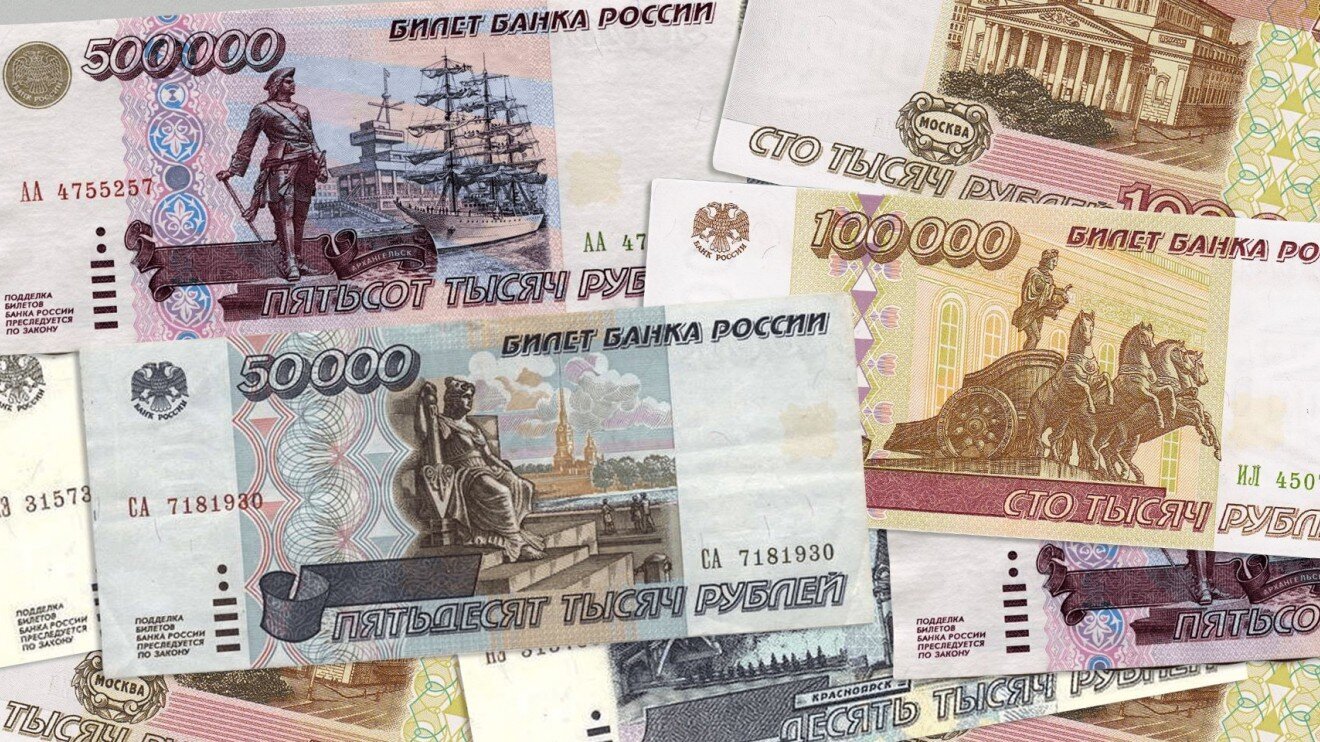
The word «lavehski» (or «lave») became one of the most recognizable slang terms of 1990s Russia. Meaning «money,» it could be heard everywhere — from courtyard hangouts to organized-crime circles.
Where the Term Comes From
The most credible theory traces «lave» to the Lovari dialect of the Romani language, where it also means money. Romani has the expression «love nane,» translating to «no money.» Pronunciation varies — lové, levé, lavé.
Researchers note the word was in use in Russia long before the 1990s. Zaur Zugumov, author of a dictionary of criminal-world slang, claims the term was already known in Tsarist Russia, where, alongside «bashli,» it meant money in criminal circles.
Alternative Theories
A few other theories exist about the word’s origin:
- An English theory: a link to the English word «love,» implying money as something «beloved, needed, desired»
- A literary theory: Viktor Pelevin, in his novel Generation «P,» offered an ironic reading — an abbreviation for «LV» (Liberal Values)
- An Arabic theory: some claim the word is understood on the Arabian Peninsula
Even so, the Romani etymology remains the best-supported one, confirmed by linguists and slang researchers alike.
Spreading in the 1990s
During perestroika and the «wild ‘90s,» «lave» spread especially widely, crossing over from prison slang and criminal argot into youth speech and everyday language. The term became a symbol of a time when money took on new significance in a rapidly changing society.
Several derivative forms sprang from the root word «lave»:
- «Lavehski» — an affectionate diminutive form
- «Lavit’» — to earn money, to hustle
- «Lovit’» («to catch») — took on a new meaning in the context of turning a profit
Cultural Significance
In the context of a novel set in 1996, using the word «lavehski» precisely captures the atmosphere of the era — a period when old social norms were collapsing and new ones were still forming. Slang vocabulary, including «lave,» reflected a shift in the country’s attitude toward money, from Soviet-era taboo to open pursuit of wealth.
The word became part of 1990s mass culture, turning up in films, songs, and literature of the period. It symbolized not just money itself, but a particular relationship to it — as the supreme value in a world where «everything is for sale and everything can be bought.»