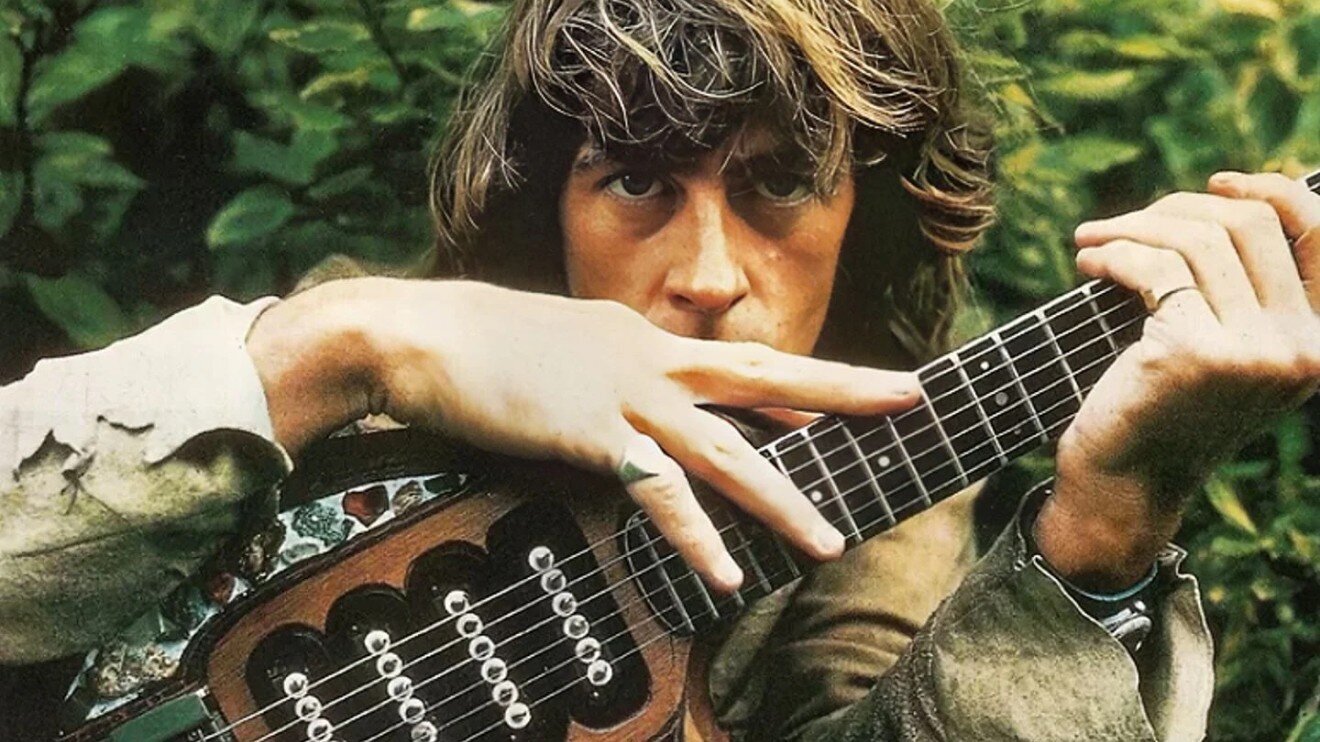
John Mayall (born November 29, 1933) was a British blues singer, songwriter, multi-instrumentalist, and producer, often called the «Godfather of British Blues.» His influence on the development of blues-rock in Britain and beyond is hard to overstate.
Mayall began his musical career relatively late, at around age 30, when he moved from Manchester to London in 1963. It was there that he formed his legendary band John Mayall & the Bluesbreakers, which became a true forge of talent for British rock music.
Over the years, the ranks of the Bluesbreakers included such outstanding musicians as:
- Eric Clapton (who later founded Cream)
- Peter Green (later the founder of Fleetwood Mac)
- Mick Taylor (who later joined The Rolling Stones)
- John McVie and Mick Fleetwood (future members of Fleetwood Mac)
- Andy Fraser (later of Free)
The album «Blues Breakers with Eric Clapton» (1966), often simply called the «Beano Album» after the image of Clapton reading the «Beano» comic on the cover, is considered one of the most important milestones in the history of blues-rock and had an enormous influence on an entire generation of guitarists.
Over his long career, John Mayall released more than 60 albums, constantly experimenting with the sound of the blues and drawing in the best musicians to collaborate with him. Despite his advanced age, he kept up an active touring schedule until 2022, when he announced the end of his concert tours.
Among the key albums in his discography:
- «Blues Breakers with Eric Clapton» (1966)
- «A Hard Road» (1967, with Peter Green)
- «Blues from Laurel Canyon» (1968)
- «The Turning Point» (1969)
- «USA Union» (1970)
In 2005, John Mayall was inducted into the Blues Hall of Fame, and in 2018 he was made an Officer of the Order of the British Empire (OBE) for his contribution to British music. He died at his home in Los Angeles, California, on July 22, 2024.
John Mayall’s influence on the music scene extends far beyond his own recordings — through the platform he created for talented musicians, he indirectly stood at the origin of many of the most important rock bands and movements of the 1960s and ’70s.