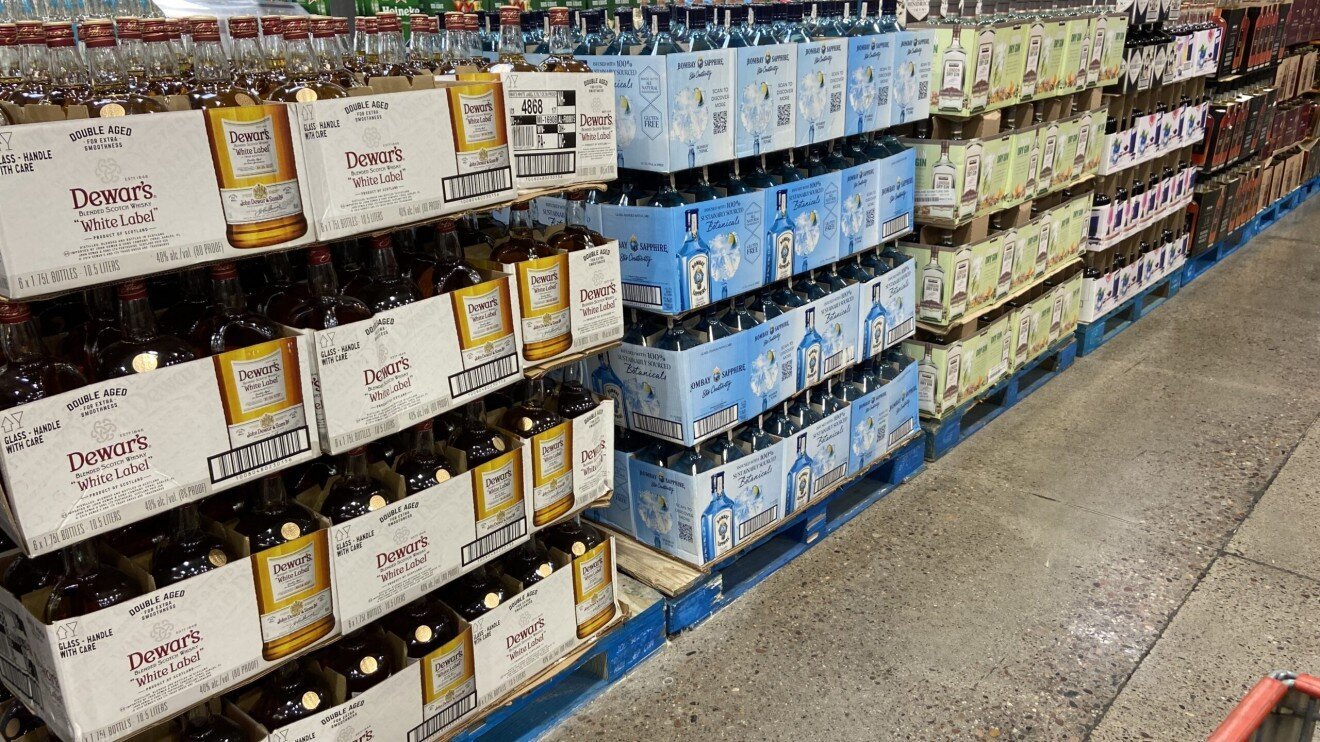
A pallet is a flat transport structure designed for the mechanized loading, unloading, and storage of goods. This element of warehouse infrastructure plays a key role in modern logistics and trade.
Definition and purpose
A pallet is a type of transport packaging designed for forming transport units in mechanized loading, unloading, transport, and warehouse operations. Goods placed on a pallet form a warehouse unit that can be efficiently moved with the help of specialized equipment.
The word "paleta" comes from the English "pallet," meaning a flat platform for cargo. In Russian, various spellings are used: paleta, palleta, pallet — all denoting the same type of transport packaging.
Construction features
Types by fork-entry method
Pallets are classified by the number of sides from which a forklift's fork can be inserted:
Two-way pallets allow forklift forks to be inserted only from two opposite sides. This design is simpler and cheaper, but less versatile in use.
Four-way pallets allow forklift access from any of the four sides, which significantly simplifies warehouse operations and increases efficiency.
Deck construction
By deck construction, pallets are divided into:
Single-deck pallets have a loading surface on only one side. This is the most common and economical variant.
Double-deck pallets are fitted with surfaces on both sides, allowing them to be used upside-down and extending their service life.
Materials
Wooden pallets
Wood remains the most popular material for making pallets. Wooden pallets make up the bulk of pallets used worldwide, thanks to an optimal balance of price, strength, and weight.
Both softwood (pine, spruce) and hardwood are used in production. Softwoods are more often used for single-use pallets, hardwoods for reusable structures of increased strength.
Wooden pallets may be treated with special compounds to protect against rot, insects, and fungi. Strict international requirements govern the treatment of wood used in pallets for international shipping.
Plastic pallets
Plastic pallets are made from high-density polyethylene (HDPE) or recycled polyethylene terephthalate (PET). They offer a number of advantages over wooden equivalents:
Resistance to moisture, chemicals, and temperature fluctuations makes them ideal for the food and chemical industries. Plastic pallets are easy to wash and disinfect, do not absorb odors, and do not shed wood dust.
The service life of plastic pallets significantly exceeds that of wooden ones — they can withstand up to a hundred use cycles. Their cost, however, is several times higher than wooden equivalents.
Metal pallets
Metal pallets are used for especially heavy loads and in harsh operating conditions. They are made from carbon steel, stainless steel, or aluminum.
Steel pallets offer maximum strength and durability, but have significant weight of their own. Aluminum pallets combine strength with relatively low weight, but cost more than steel ones.
Cardboard pallets
Eco-friendly pallets made of corrugated cardboard are used for light loads and single use. They are fully recyclable, and require no special disposal.
Sizes and standards
International standards
The absence of a single international standard for pallet sizes creates certain difficulties in international trade. Different regions of the world use their own standard sizes.
The European standard (EUR pallet): 800×1200 mm. This size is optimized for passing through standard doorways and for loading into European trucks.
The American standard (GMA pallet): 1016×1219 mm (40×48 inches). Developed by the US Grocery Manufacturers Association.
The Asian standard: 1100×1100 mm. The square shape provides better load stability.
Load capacity
Standard wooden pallets can bear a static load of up to 3 tons and a dynamic load of up to 1 ton. Most pallets are rated for a maximum load of 1,500 kg, which covers the needs of most warehouse operations.
The weight of a standard wooden pallet is 15-22 kg, which must be taken into account when calculating the total weight of a load.
Classification by use
Single-use pallets
Single-use pallets are intended for one-time use and subsequent disposal. They are usually made of inexpensive materials and have a simplified construction. Their dimensions are not always standardized.
Reusable pallets
Reusable pallets are designed for repeated use. Their dimensions, strength characteristics, and markings are strictly standardized. Such pallets are often used in returnable-packaging systems.
Organizing warehouse operations
The "one pallet per SKU" principle
Modern warehousing operates on a principle of minimal stock — "one pallet per SKU." This means that for every item in the warehouse, there should be a minimum stock of at least one pallet.
This approach ensures:
Continuity of supply — there is always a minimum stock available to fill orders. Optimization of warehouse space — excess stock does not accumulate. Effective control of inventory turnover.
Assortment placement
In organizing a warehouse, it is important to ensure that the full assortment is represented. Every SKU must have its own place in the warehouse, even if it is just one pallet of goods.
This is especially relevant for trading organizations working with a wide assortment, where it is important to be able to promptly fill any customer order.
Securing and packaging loads
Fastening methods
Goods on a pallet must be securely fastened to prevent shifting during transport. The main fastening methods are:
Stretch film — an elastic polymer film wrapped around the load. Provides a tight fit and protection from moisture.
Heat-shrink film — a film that shrinks when heated, tightly hugging the load.
Strapping — durable polymer or textile straps for securing heavy loads.
Packaging requirements
Proper packaging of goods on a pallet must ensure load stability, protection from external effects, and ease of loading and unloading. The height of the formed unit should not exceed critical values needed to ensure stability.
Technical equipment
Loading equipment
Specialized equipment is used for working with pallets:
Forklifts — the main equipment for moving pallets. Load capacity ranges from 1 to 5 tons for warehouse models.
Pallet jacks — manual or electric carts for moving pallets short distances within a warehouse.
Stackers — specialized equipment for lifting and placing pallets on racks of various heights.
Warehouse equipment
Effective use of pallets requires appropriate warehouse infrastructure. Pallet racking allows maximum use of warehouse volume, placing pallets on several levels.
The warehouse floor must be level and durable to ensure the safe movement of loaded material-handling equipment.
Economic aspects
Cost and payback
Pallet cost varies depending on material, size, and construction. Wooden single-use pallets are the most economical solution for one-time deliveries.
Reusable pallets require larger upfront investment, but pay for themselves through repeated use. Such pallets are usually used within closed logistics chains or rented out.
Losses and turnover management
Pallet loss is a serious problem in the logistics industry. According to European experts' estimates, about 14 million pallets, worth 140 million pounds sterling, are lost every year.
To minimize losses, tracking systems, deposit schemes, and special packaging-return agreements are used.
International requirements and standards
Phytosanitary requirements
The International Plant Protection Convention (IPPC) sets strict requirements for wooden pallets crossing national borders. The ISPM 15 standard requires special wood treatment to prevent the spread of plant pests.
Wooden pallets must undergo one of two types of treatment: heat treatment at 56°C for 30 minutes, or chemical fumigation with methyl bromide. Treated pallets are marked with special symbols indicating the treatment method.
Alternative materials
Pallets made of plastic, metal, or engineered wood products (plywood, OSB) do not require phytosanitary treatment, and are exempt from ISPM 15 requirements.
Specialized pallet types
Foldable structures
Some pallets are fitted with removable or foldable elements. An example is pallets for automobile tires with foldable corner posts, allowing pallets to be stacked without damaging the load.
When folded, such pallets take up 5-6 times less volume, significantly reducing reverse-logistics costs.
Pallet containers
Pallet containers are pallets with four walls and the ability to fit a lid. They allow loads to be stacked even when full, and provide additional protection for goods.
Organizing trade operations
Planning warehouse space
When organizing a trade warehouse, space must be calculated based on the number of SKUs and the principle of placing at least one pallet per SKU. This ensures a complete assortment and the ability to fulfill any order.
For efficient use of warehouse space, various storage systems are used: floor storage, racking storage, mezzanine structures.
Logistics solutions
The use of standardized pallets makes it possible to optimize the entire logistics process — from storage to delivery to the end consumer. Standardized sizes ensure efficient use of freight transport and warehouse space.
Safety and ecology
Fire safety
Both wooden and plastic pallets present a certain fire hazard. The US National Fire Protection Association requires that pallets be stored outdoors or in separate buildings if they are not protected by fire-suppression systems.
Environmental aspects
Reusable pallets help reduce environmental impact through repeated use. European legislation gives priority to reusing packaging materials over recycling or disposal.
At the end of their life cycle, wooden pallets can be recycled into wood chips or used as fuel. Plastic pallets are fully recyclable.
Modern trends
Technological innovation
Modern pallets can be fitted with RFID tags to track location and monitor the movement of goods. This is especially relevant for expensive reusable pallets.
Composite materials are being developed, combining the advantages of different materials — the strength of metal, the lightness of plastic, and the eco-friendliness of wood.
Automation of warehouse processes
Automated warehouses place special demands on pallets: dimensional accuracy, surface quality, consistency of characteristics. This is driving the development of high-tech pallets with improved operational properties.
Alternative uses
Repurposing
Used wooden pallets often get a second life as material for various crafts and furniture. However, one should keep in mind the possible chemical treatment of the wood, and take appropriate precautions.
Garden furniture, decorative elements, and temporary structures are made from pallets. It is important to use only untreated wood, or pallets with a known treatment history.
Conclusion
The pallet is an integral part of modern logistics and trade. The correct choice of pallet type, size, and material has a direct impact on the efficiency of warehouse operations and overall logistics costs.
Understanding the specifics of working with pallets, their treatment requirements, and international standards is critically important for any business involved in wholesale trade, manufacturing, or logistics. Investment in a quality pallet system pays for itself through improved operational efficiency and reduced warehouse labor costs.