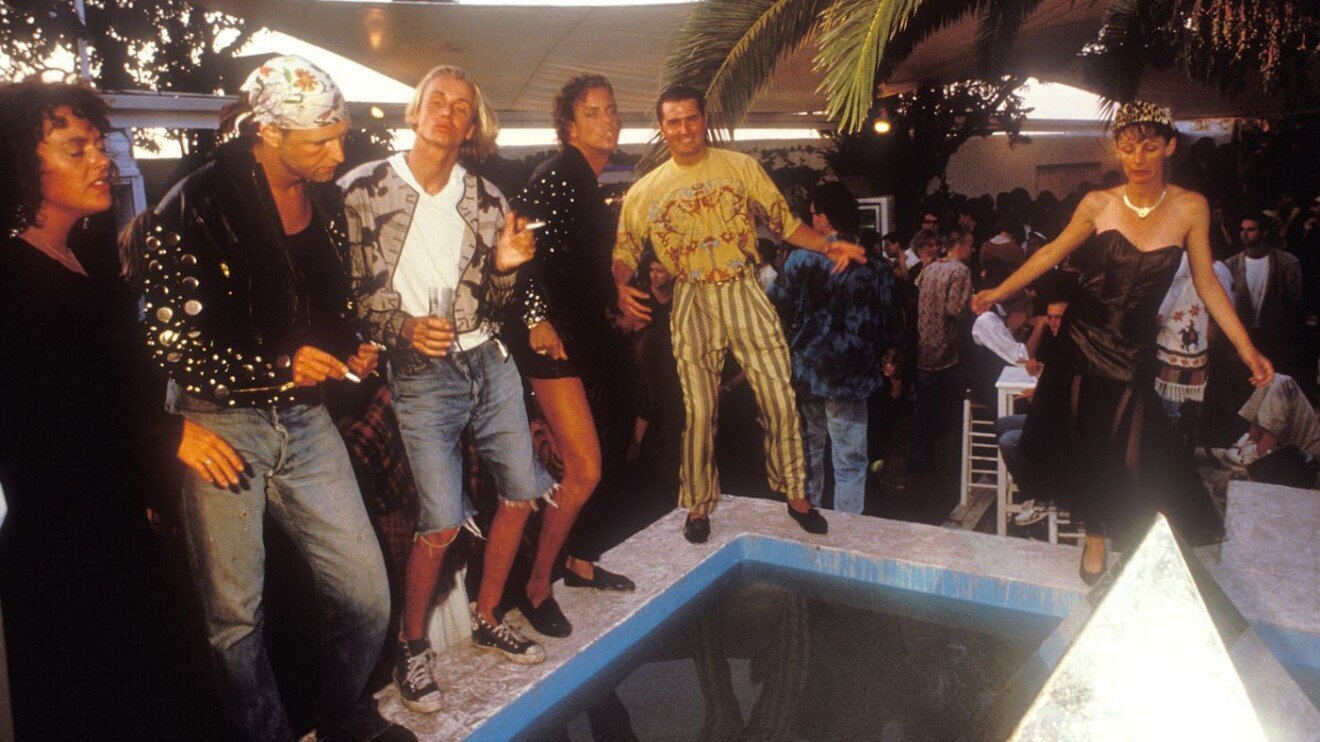
The Origins of the Phenomenon
By the mid-1990s, the term «party animal» had firmly entered the vocabulary of youth culture, describing a particular type of person for whom parties weren’t just entertainment but a way of life. The phenomenon was closely tied to the booming club industry, the rise of new musical genres, and shifting social attitudes among the postwar generation.
The roots of party-animal culture go back to the late 1980s and early 1990s, when a genuine boom in electronic dance music began in Europe and America. House, techno, rave — these genres demanded not just listening but active physical participation, hours of dancing, immersion in a particular state of consciousness through rhythm and movement.
Key Traits of the Party Animal
- Prioritizing parties over work, school, relationships
- Deep knowledge of the club scene, DJs, events
- A distinctive style of dress and behavior
- The ability to spend 10–15 hours straight at a party
- Building social ties through the scene
Ibiza as the Mecca of Party-Animal Culture
By 1996, the Spanish island of Ibiza had already firmly established itself as the leading capital of European club culture. This small Mediterranean island had become a magnet for thousands of young people from around the world, hungry to immerse themselves in an atmosphere of endless celebration.
The story of Ibiza’s transformation into a club mecca began in the late 1980s, when British DJs and promoters discovered the island’s unique atmosphere. A combination of liberal Spanish laws, favorable climate, relatively low prices, and a traditionally bohemian atmosphere created ideal conditions for the club industry to flourish.
«Ibiza isn’t a place, it’s a state of mind»
By 1996, the island already had dozens of clubs, from legendary giants like Amnesia and Pacha to small beach bars. The season ran from May to October, but activity peaked in July and August, when the island was literally flooded with waves of young people from the UK, Germany, Italy, and other European countries.
The Anatomy of the Ibiza Party Animal
A typical member of Ibiza’s party-animal community in 1996 lived by a schedule radically different from an ordinary daily routine. Waking up happened around 2 or 3 p.m., followed by an unhurried breakfast-lunch on one of the island’s many terraces. The time before evening was spent on the beach, in bars, or preparing for the night ahead.
A Typical Party-Animal Day
2:00–4:00 p.m. – Wake up, breakfast
4:00–7:00 p.m. – Beach, pre-party drinks
7:00–10:00 p.m. – Dinner, getting ready
10:00 p.m.–2:00 a.m. – Warm-up in the bars
2:00–8:00 a.m. – The main event
8:00 a.m.–2:00 p.m. – After-party or sleep
Essential Gear
Clothing: Bright colors, synthetic fabrics, comfortable shoes
Accessories: Sunglasses, whistles, glow bracelets
Music: Portable players loaded with mix tapes
Communication: Pagers for coordinating meetups
A genuine party animal needed remarkable physical stamina. Dancing from midnight to dawn, often without a break, demanded excellent physical condition. Many prepared seriously for a trip to Ibiza the way athletes train for competition, building endurance and learning new dance moves.
The Social Structure of the Scene
The world of the party animal wasn’t uniform. There was a clear hierarchy, based on musical knowledge, industry connections, financial means, and, importantly, a reputation as a «proper» scene regular.
At the top of the pyramid were the so-called «insiders» — people who worked in the entertainment industry: DJs, promoters, club owners, music journalists. They not only attended every important event but decided what counted as fashionable and relevant.
Hierarchy of the Party-Animal Community
Top tier: DJs, promoters, industry insiders
Upper tier: VIP scenesters, regulars at the top clubs
Mid tier: Active scene participants, regulars
Entry tier: «Tourists» and newcomers
The second tier consisted of VIP scenesters — people with enough money to afford the best tables, expensive drinks, and a constant presence on the scene. Often these were members of the «golden youth,» heirs to wealthy families or young businessmen.
The bulk of the crowd was made up of ordinary regulars — students, young workers, people in creative professions, for whom participating in club life was their main passion and a way of expressing themselves.
The Economics of the Party-Animal Lifestyle
Living the party-animal lifestyle required substantial financial resources. A week-long trip to Ibiza in 1996 could cost the equivalent of an average European’s monthly salary. Entry to the top clubs cost 50–80 German marks (roughly $25–40), a fairly significant sum at the time.
Many party animals worked seasonally, saving up money throughout the year for their summer «expeditions.» Popular jobs included DJ, bartender, promoter, party photographer — work that let them combine earning money with taking part in the scene.
| Expense | Cost (DM) | Cost (USD) |
|---|---|---|
| Flight to Ibiza | 400–600 | 200–300 |
| Lodging (one week) | 300–800 | 150–400 |
| Entry to a top club | 50–80 | 25–40 |
| Drinks (per night) | 100–200 | 50–100 |
| Food (per day) | 40–80 | 20–40 |
There was also an alternative economy at work: many people earned money reselling tickets to private parties, arranging transfers for newcomers, or selling trendy clothes and accessories. Some even turned their status as a scene regular into an income source, earning commissions from clubs for bringing in new customers.
The Musical Component
Music was the soul of party-animal culture. In 1996, several genres dominated: progressive house, trance, hard house, and an emerging drum and bass. Each style had its own audience and its own stars.
A genuine party animal had to know music as well as a professional DJ. Familiarity with not just popular tracks but rare remixes, white-label releases, and label history was mandatory. Collections of vinyl records and cassette tapes of recorded sets were a source of pride.
«Music was the language we all spoke. Hearing the first bars of a new track, we could name the DJ, the label, roughly when it was recorded. That was our encyclopedia.»
DJs were the true heroes of party-animal culture. Names like Sasha, John Digweed, Paul Oakenfold, and Danny Tenaglia were better known than many pop stars. Their sets were recorded onto cassette tapes and passed among fans like precious artifacts.
Technology and Communication
1996 was a pivotal year for technology. The internet hadn’t yet become a mass phenomenon, but it was already starting to shape club culture. The first club websites appeared right around this time, and email began to be used for spreading word of upcoming events.
The main means of communication remained pagers and first-generation mobile phones. The paging system let people quickly pass along information about spontaneously organized parties or changes to the lineup. Owning a pager was a mark of belonging to the «inner circle.»
Pagers
Fast word about parties
Faxes
Distributing flyers and event schedules
Cassette Tapes
Trading recorded DJ sets
Cassette culture played a special role. Mix tapes were the primary way of preserving and sharing music. A quality recording of a well-known DJ’s set could fetch real money, and collectors were willing to pay for rare recordings as if they were works of art.
Fashion and Style
The party animal’s look was carefully considered and an important part of the subculture. In 1996, bright, acid colors, synthetic fabrics, and athletic wear from name brands dominated. Adidas, Nike, and Puma were especially popular — not the classic models, but new releases in bright colorways.
Girls wore crop tops, mini skirts, platform shoes, or sneakers. Mandatory accessories included sunglasses (even at night), bright jewelry, and glow bracelets and necklaces. Makeup was bold, using neon and fluorescent shades.
Men’s style included tight-fitting T-shirts, shorts or pants in synthetic fabrics, and sneakers. Various accessories were popular: baseball caps, chains, bracelets. Owning clothing bearing the branding of famous clubs or record labels was considered especially chic.
1996 Party-Animal Fashion Trends
Colors: Neon green, hot pink, acid yellow, electric blue
Materials: Vinyl, Lycra, metallic, holographic finishes
Brands: Adidas, Nike, Puma, Kappa, Ellesse
Accessories: Sunglasses, whistles, glow-in-the-dark jewelry
The Psychology of the Party Animal
Immersing oneself in the party-animal lifestyle was often a form of escapism — an escape from the everyday, from social problems, from personal difficulties. The party created an alternate reality, one governed by different rules, where you could be anyone, where social barriers temporarily vanished.
Many researchers noted that party-animal culture served functions traditionally associated with religion or spiritual practice. Collective dancing to the hypnotic rhythms of electronic music produced a state close to trance, a feeling of unity with the crowd, a temporary dissolution of the individual self.
At the same time, constant participation in parties demanded significant psychological resources. Chronic sleep deprivation, constant stimulation, and the need to maintain a certain image could lead to emotional burnout. Many party animals eventually either «burned out» or found ways to integrate scene life with other parts of their lives.
Criticism and Contradictions
Party-animal culture wasn’t without its critics. Conservative circles condemned the «dissolute» lifestyle, the squandering of money on «empty entertainment,» the disregard for traditional values. The media often portrayed party people as irresponsible hedonists living for the moment.
Drug use was a serious problem. Ecstasy (MDMA) had become an inseparable part of rave culture, drawing the attention of law enforcement and the public. Many clubs on Ibiza were regularly inspected by police, and some closed due to drug-related problems.
«They think they’re living life to the fullest, when really they’re just running from reality»
Environmental concerns were also becoming increasingly relevant. Mass parties left tons of trash behind, and uncontrolled tourism was beginning to damage the fragile ecosystems of Mediterranean islands.
Influence on Mass Culture
Despite the criticism, party-animal culture had an enormous influence on the development of mass culture. Electronic music went from an underground phenomenon to the mainstream. Club fashion influenced haute couture, and rave aesthetics seeped into advertising, film, and television.
Many elements that seem natural today — 24-hour entertainment venues, festival culture, interactive media installations — trace their origins to the party-animal movement of the mid-1990s.
The business models of today’s entertainment industry are also largely built on principles developed in the clubs of that era: VIP areas, loyalty systems, merchandising, word-of-mouth promotion.
Legacy and Transformation
By the late 1990s, party-animal culture had begun to transform. Commercialization of the club industry, new technologies, and shifting musical trends drove the phenomenon’s evolution. What had been an underground movement in 1996 was gradually becoming part of the mainstream.
Even so, the spirit of party-animal culture didn’t disappear. It transformed into festival culture, into the electronic music festival movement, into the contemporary club scene. Many of its principles — the primacy of music and dance, the creation of temporary communities, the search for alternative forms of self-expression — remain relevant today.
Modern Heirs of Party-Animal Culture
Burning Man, Tomorrowland, electronic music festivals, underground raves, digital clubs, and VR parties — all of these continue the traditions laid down by the party animals of the 1990s.
Conclusion
Party-animal culture of the mid-1990s was a unique social phenomenon that reflected the spirit of its time — a yearning for freedom, a search for new forms of self-expression, a desire to build an alternative to traditional social institutions. For some, it was a way to find themselves and their community; for others, a form of escape from the complexities of adult life.
Ibiza in 1996 was the quintessence of this phenomenon — the place where party-animal culture reached its peak. Here, many of the principles of today’s entertainment industry took shape; here, formats were first tested that later spread around the world.
Looking back at the party animal today helps us understand not just the particulars of 1990s youth culture, but the roots of many contemporary phenomena. In the end, the drive toward celebration, toward shared experiences of joy, toward temporary release from everyday cares, is a fundamental human need — one that finds its own particular expression in every era.