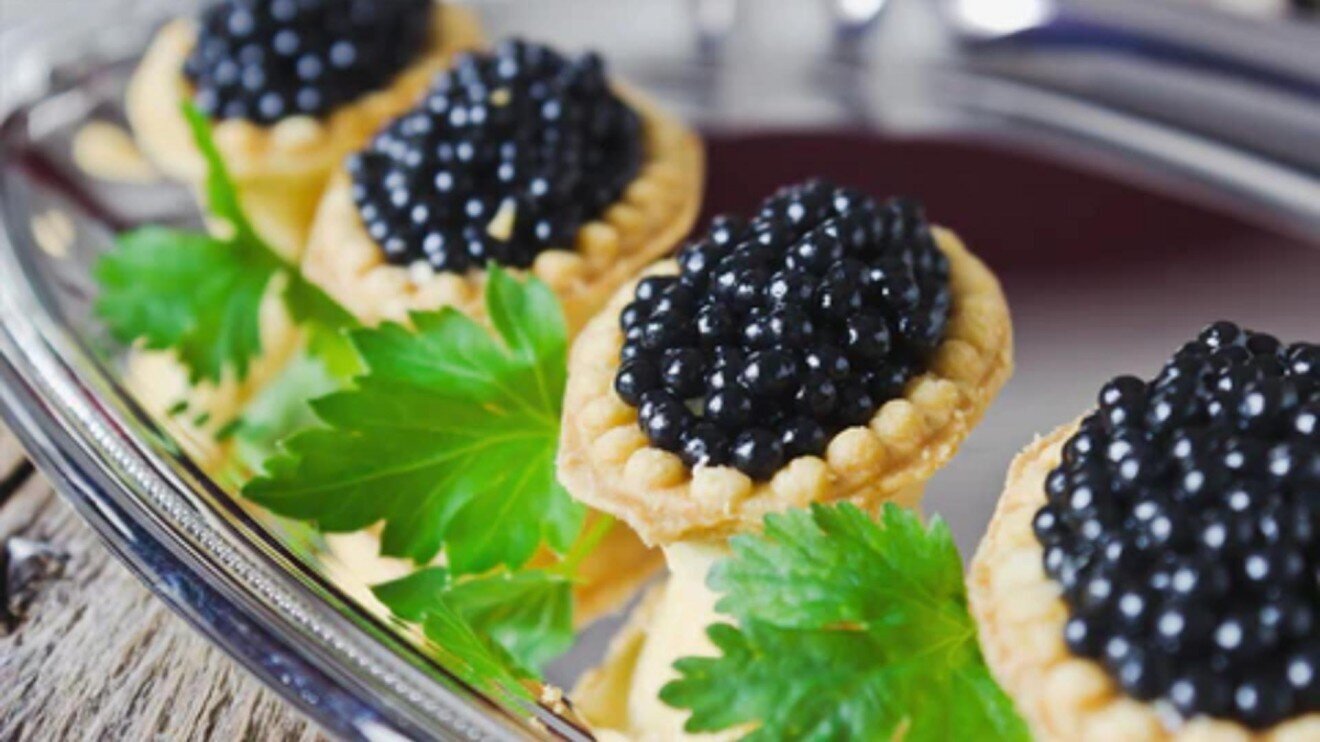
What are tartlets?
Tartlets (French: tartelette) are miniature pastry-crust shells that in the 1990s became a symbol of refinement and European chic across the post-Soviet space. The word itself comes from the French tarte (pie) plus the diminutive suffix -ette, literally «little pie.»
Classic tartlets are small pastry-crust shells (pâte brisée or pâte sucrée) filled with various fillings. The base is made from flour, butter, and a minimal amount of liquid, giving the pastry its crumbly, crisp texture.
How they’re made
Making tartlets calls for particular skill. The dough is rolled out thin, then placed into small metal molds. The edges are trimmed neatly with a rolling pin, after which the shell is «blind baked» – baked without filling, often weighted down (dried beans, rice, or special ceramic beads) to keep the pastry from puffing up.
Classic fillings
- Pastry cream with fruit
- Lemon curd
- Chocolate ganache
- Fresh berries with jelly
Savory versions
- Pâtés and mousses
- Cheese compositions
- Seafood
- Vegetable salads
Tartlets in the context of the 1990s
In an era of rapid social change, tartlets became part of a new vocabulary of status. Their presence on a table signaled not just financial comfort but cultural awareness on the part of the host. The skill required to make them, and the need for quality ingredients, kept tartlets out of reach for most people, turning them into a marker of belonging to the elite.
«Tartlets on the table in 1997 weren’t just food – they were a statement of belonging to the new world of opportunity.»
Especially popular were tartlets with red caviar, smoked salmon, or shrimp – products that had been either unavailable or extremely scarce in the Soviet era. Serving them in miniature pastry shells lent the dish a particular refinement and European charm.
Drugs and appetite suppression: the physiological mechanisms
A contrast to the elegant tartlets in this scene is the harsh reality of drug intoxication, under which food loses all its appeal. This effect has a deep physiological basis, tied to disruptions in the central nervous system.
The neurophysiology of hunger and satiety
The sensation of hunger is a complex system of signals coordinated by the hypothalamus – the region of the brain responsible for regulating basic life functions. When blood glucose falls below a certain threshold, special receptors send signals to the brain, triggering a cascade of physiological responses.
The normal process of feeling hungry
- Blood sugar drops
- Hypothalamic receptors are activated
- The stomach releases the hormone ghrelin
- Salivation is stimulated
- Chewing muscles are activated
- Feeding behavior begins
The role of neurotransmitters
- Dopamine – motivation to seek out food
- Serotonin – regulating mood and appetite
- Norepinephrine – activating the body
- GABA – dampening excess activity
How psychostimulants work
Psychostimulant substances fundamentally disrupt the system described above, acting on key neurotransmitters. Their main mechanism is blocking the reuptake of dopamine, serotonin, and norepinephrine in the synaptic gaps, causing them to build up to excess in certain areas of the brain.
The result is a paradoxical situation: the body may have a genuine physiological need for nutrients, but the hunger signals either never reach conscious awareness or arrive distorted. What’s more, even attempting to eat runs into additional obstacles.
Physical obstacles to eating
Appetite suppression from psychostimulants comes with a range of physical problems that make eating difficult even with conscious effort:
Digestive disruptions
- Reduced saliva production (xerostomia)
- Disrupted intestinal motility
- Reduced digestive enzyme production
- Spasms of the GI tract’s smooth muscle
Motor disruptions
- Tremors in the jaw muscles
- Impaired swallowing coordination
- Bruxism (teeth grinding)
- Throat-muscle spasms
These physiological changes explain why even elegant tartlets, normally appetizing in look and smell, can come across as off-putting, or simply be ignored altogether.
The social dimension: food as ritual
In this scene, the tartlets serve a social function more than a nutritional one. They’re part of a ritual, an attribute of status, an element of decor. Their presence on the table creates an illusion of normalcy, masking deviant behavior under the guise of a genteel gathering.
«Elegant food, set against a backdrop of drug intoxication, becomes a tragic piece of set dressing, underscoring how far the characters have fallen.»
This contrast between outward polish and inner decay was characteristic of certain strata of 1990s Russian society, where quickly acquired wealth existed side by side with moral decline and self-destructive behavior.
Medical consequences
Prolonged appetite suppression under psychostimulants leads to serious metabolic disruptions and physical exhaustion. The body begins drawing on its own reserves, breaking down muscle tissue and impairing the function of internal organs.
Short-term effects
- Dehydration
- Electrolyte imbalance
- Hypoglycemia
- Weakened immunity
Long-term consequences
- Muscle atrophy
- Impaired liver function
- Cardiovascular disease
- Psychiatric disorders
The cultural context
The pairing of refined French cuisine with drugs in the Russian reality of the 1990s reflects a deeper process of cultural transformation. It was an era in which the outward trappings of Western civilization were absorbed without their inner substance, when form came unmoored from meaning.
In this context, tartlets become a symbol of the superficial adoption of European culture, in which refinement of form isn’t matched by any corresponding substance. It’s a metaphor for an entire generation that chased the outward marks of success while losing its inner bearings.
Conclusion
The novel’s scene with tartlets and drugs is a vivid example of a literary device in which everyday details carry a heavy symbolic load. Elegant French pastry, requiring skill and time to prepare, is set against instant chemical pleasure that destroys the ability to appreciate life’s simple joys.
The physiological suppression of appetite by psychostimulants serves as a metaphor for a deeper suppression – of the capacity for enjoyment, for ordinary human needs, for life itself. The tartlets go untouched not just because the drugs block the sensation of hunger, but because the characters have lost the ability to appreciate beauty, taste, tradition – everything that makes us human.
Historical note
This note was written for a work of fiction set in 1997. All medical information is provided for educational purposes and should not be taken as guidance for action. Drug use is extremely dangerous to health and prohibited by law.