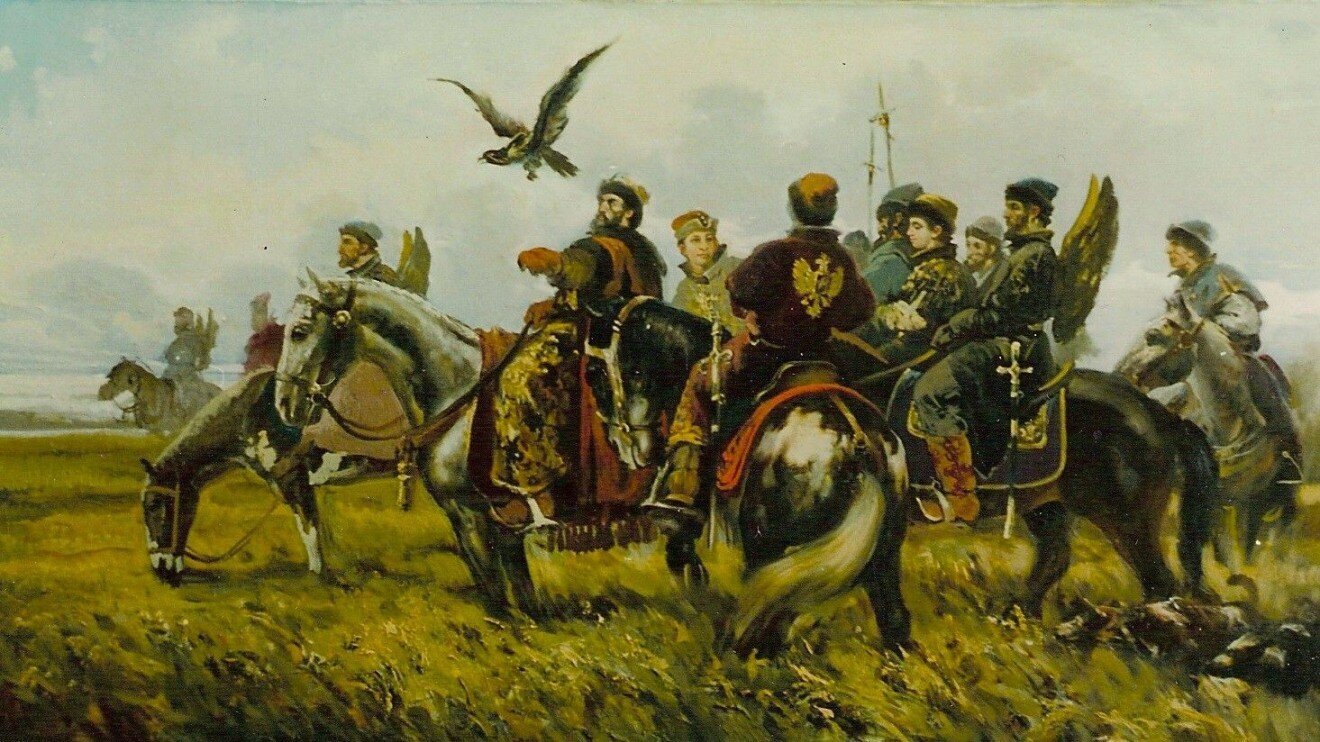
Tsarskaya Okhota («The Tsar’s Hunt») is one of the most iconic projects by Russian restaurateur Arkady Novikov, opened in 1996 and a symbol of the revival of Russian cuisine in post-Soviet Russia. Located on the Rublyovo-Uspenskoye Highway, this restaurant has remained, for more than a quarter century, a draw for Moscow’s elite and connoisseurs of traditional Russian cuisine.
Arkady Novikov: builder of a restaurant empire
Arkady Anatolyevich Novikov (born July 25, 1962, in Moscow) is an outstanding Russian restaurateur, businessman, and television personality who essentially created modern restaurant-business culture in Russia. His career started from the bottom rung: after graduating from Culinary College No. 174, he worked as a line cook at the restaurant «Universitetsky,» then as assistant head chef at the restaurant «Havana,» and as head chef at the restaurant «Olimpiyskiye Ogni.»
Novikov gained his real fame working at the cooperative café «Viktoriya» in Gorky Park, where he rose from cook to deputy director after the venue was bought by Stas Namin. It was here that he gained invaluable experience running a restaurant and understanding how to build a successful restaurant business.
In 1992 Novikov opened his first restaurant, «Sirena,» on Bolshaya Spasskaya in the building of a technical college. Under the terms of the deal, he provided lunches for two hundred students for a token fee, which let him enter the restaurant business with minimal investment. Two years later, in 1994, came his second restaurant, «Klub T.»
The birth of a legend: the opening of Tsarskaya Okhota
1996 was a turning point in Arkady Novikov’s career. That year he opened two projects at once that would define his future as a restaurateur: the post-Soviet Russian-cuisine restaurant Tsarskaya Okhota, and the tavern chain «Yolki-Palki,» which would go on to become Russia’s largest chain of casual Russian-cuisine restaurants.
Tsarskaya Okhota was conceived from the start as a flagship project meant to revive interest in Russian cuisine and present it in a new light. Novikov understood that after decades of Soviet cafeteria fare, Russian cuisine needed rehabilitation and a presentation worthy of its heritage.
Concept and philosophy of the restaurant
Tsarskaya Okhota was positioned from the start as a place combining genuine home-style national cuisine with European-standard restaurant service. Novikov created a cozy house complete with an authentic Russian stove and a unique collection of life-sized wooden hussar figures, which became one of the venue’s calling cards.
The interior was designed down to the smallest detail: the rooms are filled with old oven forks, pots, rakes, and other objects of Russian everyday life. Busts of tsars stand in the corners, and their portraits hang on the walls in gilded frames. The result is a unique blend of peasant hut and hunting lodge, creating an atmosphere that immerses guests in Russian history and culture.
The restaurant’s signature innovation became the famous «appetizer cart» – a restaurant-style rendering of the traditional Russian custom of laying out appetizers «on the table,» one of the symbols of Russian hospitality. The idea proved so successful that it was later copied by many other establishments.
Vladimir Abramochkin: the ever-present head chef
A special role in Tsarskaya Okhota’s success has been played by head chef Vladimir Abramochkin, who has worked at the restaurant since it opened. Such loyalty to a single establishment is a rarity in the restaurant business, where chefs often change jobs. Abramochkin has become a genuine keeper of the restaurant’s culinary traditions, ensuring consistent quality for decades.
Under his leadership, Tsarskaya Okhota’s kitchen has preserved the authenticity of Russian dishes while adapting them to modern standards of quality and presentation. The menu includes classic dishes of Russian cuisine: borsch, solyanka, pelmeni, game dishes, and traditional appetizers.
Location and atmosphere
Choosing a location on the Rublyovo-Uspenskoye Highway proved strategically sound. The area is traditionally home to wealthy Muscovites who value quality cuisine and are willing to pay accordingly. Its proximity to country houses and dachas makes the restaurant a convenient spot for weekend family meals.
The restaurant’s atmosphere has always been special. It’s a place where one might spot well-known politicians, businessmen, and cultural figures. The restaurant has become a venue for business meetings and family celebrations alike. One characteristic detail is the substantial security presence, a sign of the establishment’s status and that of its patrons.
The growth of Novikov’s empire
Tsarskaya Okhota’s success became the launching point for Arkady Novikov’s restaurant empire. In 1997 he opened the restaurant «Beloye Solntse Pustyni» («White Sun of the Desert»), followed by «Grand Opera» and «Kavkazskaya Plennitsa.» Each new project had its own unique concept, but all shared high-quality cuisine and service.
Novikov became a pioneer of themed restaurants in Russia, creating venues that didn’t just feed guests but entertained them and immersed them in a particular atmosphere. His restaurants became a model that many Russian restaurateurs sought to emulate.
The restaurant today
Today Tsarskaya Okhota remains one of the best-known Russian-cuisine restaurants in Russia. Despite changes in the restaurant business and the emergence of many competitors, the venue has retained its popularity and recognizability.
The menu still includes classic Russian dishes: dacha-style borsch, Siberian game pelmeni, elk fillet with porcini mushrooms, and traditional appetizers. On weekends the buffet operates – that same «appetizer cart» that became the restaurant’s calling card.
The interior has changed little since opening, lending it a particular charm and underscoring its commitment to tradition. A veranda, decorated in the same style, lets guests enjoy Russian cuisine outdoors during the warmer months.
A link to cinema: the film "Tsarskaya Okhota"
The restaurant’s name echoes the Soviet feature film of the same name, made in 1990 by director Vitaly Melnikov based on a play by Leonid Zorin. The film tells the story of Princess Tarakanova and Count Alexei Orlov-Chesmensky during the reign of Catherine the Great.
This naming coincidence isn’t accidental. Both the film and the restaurant draw on Russian history, on the era of imperial Russia, on images of the tsar’s hunt as a symbol of power and luxury. «Tsarskaya Okhota» was the first film in Melnikov’s historical trilogy «Empire: The Beginning» and received acclaim from critics and audiences alike.
The film’s plot, set in 1775, tells of political intrigue at Catherine the Great’s court, of the struggle for power and influence. The central thread is the story of an impostor calling herself Princess Tarakanova and her tragic love for Count Orlov, who was forced to betray her in the name of state interests.
Parallels between the film and the restaurant appear not only in the shared name, but in their shared appeal to Russian history, in the attempt to recreate the atmosphere of imperial Russia. Tsarskaya Okhota, in a sense, became a material embodiment of the era that Melnikov artistically reimagined in his film.
Cultural significance
Tsarskaya Okhota became more than just a restaurant – it became a cultural phenomenon. The establishment played an important role in reviving interest in Russian cuisine and culture in the post-Soviet period. At a time when many were drawn to Western culinary traditions, Novikov showed that Russian cuisine could be refined and modern.
The restaurant became a place where a new Russian elite took shape, where important business deals were struck, where significant events were celebrated. Visiting it became a kind of status symbol, confirmation of belonging to a particular social stratum.
Influence on the restaurant industry
Tsarskaya Okhota’s success had an enormous influence on the development of the restaurant industry in Russia. Novikov demonstrated that themed restaurants could succeed, that Russian cuisine could compete with European cuisine, and that quality service and atmosphere mattered no less than the food itself.
Many ideas first realized at Tsarskaya Okhota were later adopted by other restaurants: themed interior design, weekend buffets, an emphasis on national cuisine. The restaurant became a model to emulate and a source of inspiration for many Russian restaurateurs.
Conclusion
Tsarskaya Okhota remains one of the most significant projects in the history of the Russian restaurant business. Created by Arkady Novikov in 1996, it has not only survived fierce competition but has preserved its uniqueness and popularity.
The establishment became a symbol of the revival of Russian cuisine, a meeting place for the Russian elite, a model of quality restaurant service. Its name, echoing the film of the same name about the era of Catherine the Great, underscores its connection to Russian history and culture.
Today, more than a quarter century after opening, Tsarskaya Okhota continues to be one of the most recognizable restaurants in Russia, a place where Russian cuisine is presented at its best, where traditions are preserved and new culinary masterpieces are created.