The novel mentions a house in Zagoryanka — a prestigious dacha settlement in Moscow Oblast that, in the 1990s, was one of the symbols of the new Russian elite.
History and status of the settlement
Zagoryansky (informally Zagoryanka) is an urban-type settlement in the Shchyolkovo district of Moscow Oblast. The name comes from the surname of early-20th-century landowners — the brothers Ivan and Alexander Kisel-Zagoryansky, who sold plots for dacha construction.
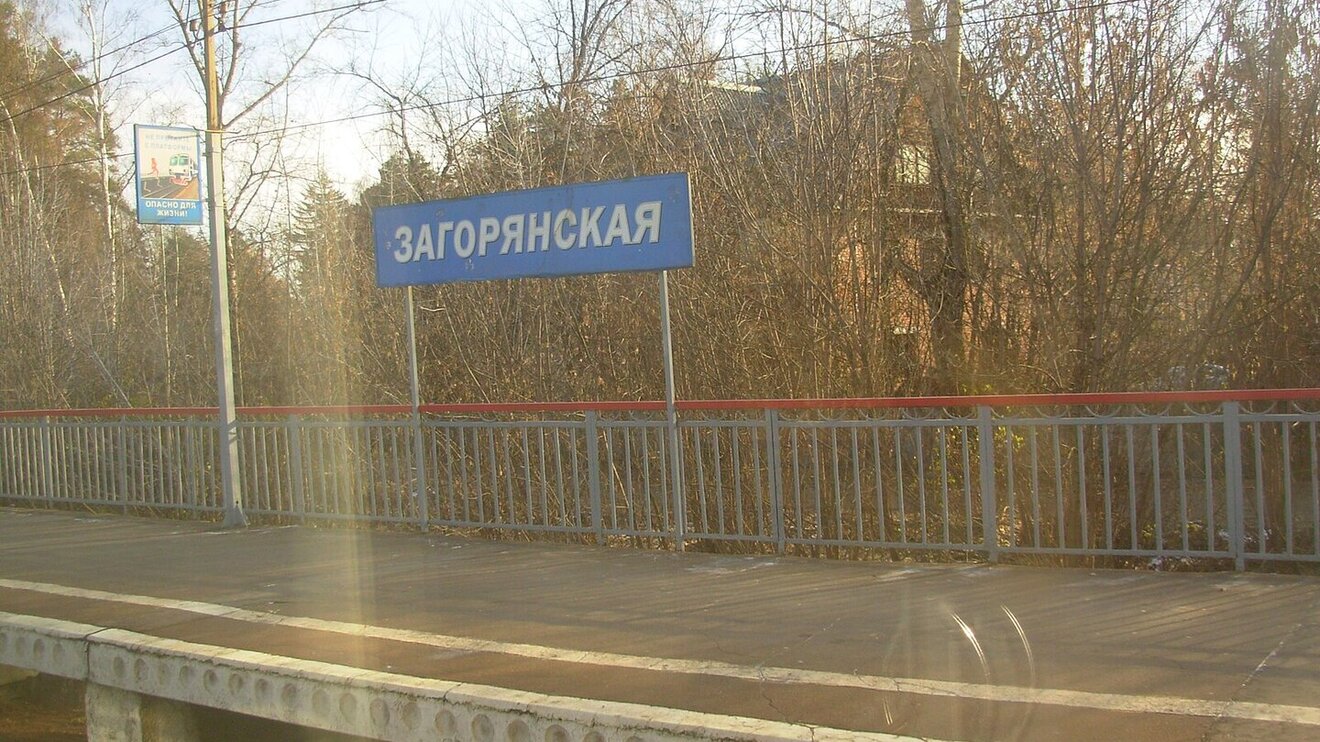
The settlement was founded in 1912 as a railway settlement near the Zagoryanskaya platform on the Shchyolkovo branch of the Northern Railway. Originally home to railway employees, Zagoryanka was already being marketed as a dacha destination at the time.
An elite dacha settlement
Its location near Losiny Ostrov National Park and the picturesque banks of the Klyazma River made Zagoryanka an attractive retreat for the creative intelligentsia. In earlier times, when steamboats still ran along the Klyazma, the settlement was an elite dacha destination frequented by well-known writers, artists, and other figures of the cultural elite.
The settlement was originally situated in a relict pine forest, which gave it a distinctive atmosphere. Its central area is fairly marshy, but that didn't stand in the way of prestigious dacha construction.
Zagoryanka in the 1990s
During the period the novel depicts (1993), Zagoryanka was experiencing a new heyday. After the collapse of the USSR, many "New Russians" — entrepreneurs who'd made their fortunes during privatization and the birth of the market economy — chose this settlement for building luxurious country homes.
Its proximity to Moscow (about 30 km from the city center), good rail connections to Yaroslavsky Station, its clean environment, and its status as a historically prestigious location made Zagoryanka an ideal choice for wealthy Muscovites. Here they built not mere dachas, but genuine mansions with modern amenities.
Transport access
The Zagoryanskaya rail platform provided convenient service to Moscow. Commuter trains ran as often as every 30 minutes, letting owners of country homes easily travel into the capital for business and return to their quiet suburban settlement.
The mention of a house in Zagoryanka in the context of the novel underscores the character Anton's high social status — owning property in this prestigious settlement was one of the markers of belonging to the new Russian elite of the early 1990s.